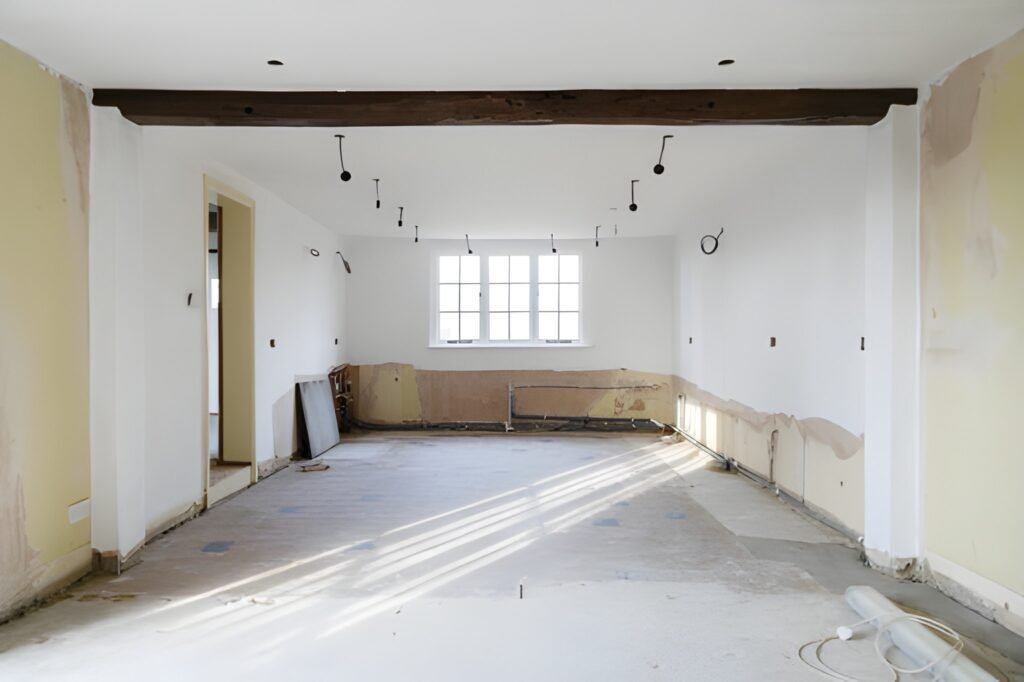
An interior renovation company operates at the demanding intersection of craftsmanship, technical skill, and business management. It is not merely a collection of manual trades, but a structured commercial entity that must deliver creative, technical, and personalized projects on time and on budget, while maintaining its own profitability. Success in this sector depends not only on the quality of work on-site but also on a solid business strategy, impeccable communication, and mastery of the processes that transform a client’s vision into a tangible, seamless reality. This guide explores the fundamental pillars for building and growing a successful interior renovation business.
The Foundation: Defining Your Service and Strategic Positioning
The first crucial step is to precisely define the market segment the company will target. The renovation market is vast, and it is impossible to be competitive everywhere.
- The High-End, Bespoke Renovation Market: This segment targets affluent clients and prestige properties. Projects often involve spatial reconfigurations, architectural statements, and entirely custom finishes. Competition is based on expertise, creativity, and execution quality, not on price.
- The Specialized Room Renovation Market: Specializing in a specific domain, such as kitchens and bathrooms, allows a company to develop deep expertise, streamline processes, and build a compelling portfolio. This is the core market for many successful businesses.
- The Retrofitting and Energy Efficiency Market: This growing niche focuses on technical work like insulation, window replacement, or ventilation system installation (MVHR). It requires specific certifications and a sales pitch centered on performance and long-term savings.
The chosen positioning will influence all other aspects of the business, from marketing to recruitment and cost structure.
The Operational Pillars: From Quote to Project Delivery
A company’s profitability and reputation rely on the efficiency of its operational processes.
1. Quoting and the Commercial Proposal
An inaccurate quote is the primary cause of financial difficulty. Professional quoting must be meticulous and include all direct and indirect costs.
The operational margin (typically between 15\% and 30\%) must cover all overheads (rent, vehicles, marketing, owner’s salary) and generate a net profit. A high-quality commercial proposal is more than a price; it includes plans, 3D visuals, a preliminary schedule, and a detailed description of technical specifications, establishing a clear and professional framework.
2. Project Management and Planning
The project manager is the conductor. Their role is to sequence the interventions of the different trades (electricians, plumbers, plasterers, tilers, etc.) optimally to avoid costly downtime. A detailed reverse schedule, shared with the client and tradespeople, is an indispensable tool. Using management tools (like specialized software or a simple Gantt chart) helps visualize progress and anticipate potential delays.
3. Mastering the Supply Chain and Procurement
Material lead times are one of the biggest sources of delay. An organized company orders critical materials well in advance and manages relationships with its suppliers and distributors to guarantee availability. Managing construction waste (skip hire, sorting) is also a significant consideration, both economically and environmentally.
The Human and Client Dimension: The Cornerstone of Reputation
1. Building a Reliable Team
Whether using direct employees or a network of trusted subcontractors, the quality of the team is the company’s public face. Investing in continuous training, fostering a culture of excellence, and ensuring fair compensation are essential to retaining talent and ensuring consistent work quality.
2. Impeccable Client Communication and Management
Renovation is a personal and often stressful process for the client. Proactive, transparent, and regular communication is not a luxury; it is a core service. Setting up weekly update meetings, responding promptly to queries, and managing expectations are critical for client satisfaction and for generating positive referrals and testimonials.
3. Legal and Administrative Compliance
A professional company must be irreproachable in its administrative and legal standing. This includes:
- Proper Insurance: Holding valid public liability insurance and employer’s liability insurance is non-negotiable.
- Contracts: Using detailed contracts that outline the scope of work, payment schedule, timeline, and procedures for handling changes.
- Guarantees: Providing robust guarantees for the workmanship and materials installed.
- Regulatory Knowledge: Staying current with building regulations (Part P for electrical work in England, etc.) and safety standards.
Marketing and Business Development
A great company remains invisible without an effective marketing strategy. This includes:
- A Professional Digital Presence: A clean, modern website showcasing a strong portfolio of completed projects with high-quality photographs.
- Leveraging Testimonials and Referrals: Happy clients are the most powerful marketing tool.
- Strategic Networking: Building relationships with architects, interior designers, and estate agents who can provide a steady stream of qualified leads.
An interior renovation enterprise is, therefore, a complex and demanding venture. It requires a dual competence: mastery of the trade and mastery of business management. By building a robust structure based on a clear strategy, rigorous processes, and an unwavering commitment to quality and client relationships, a renovation company can rise above the competition and build a sustainable, reputable, and profitable business.