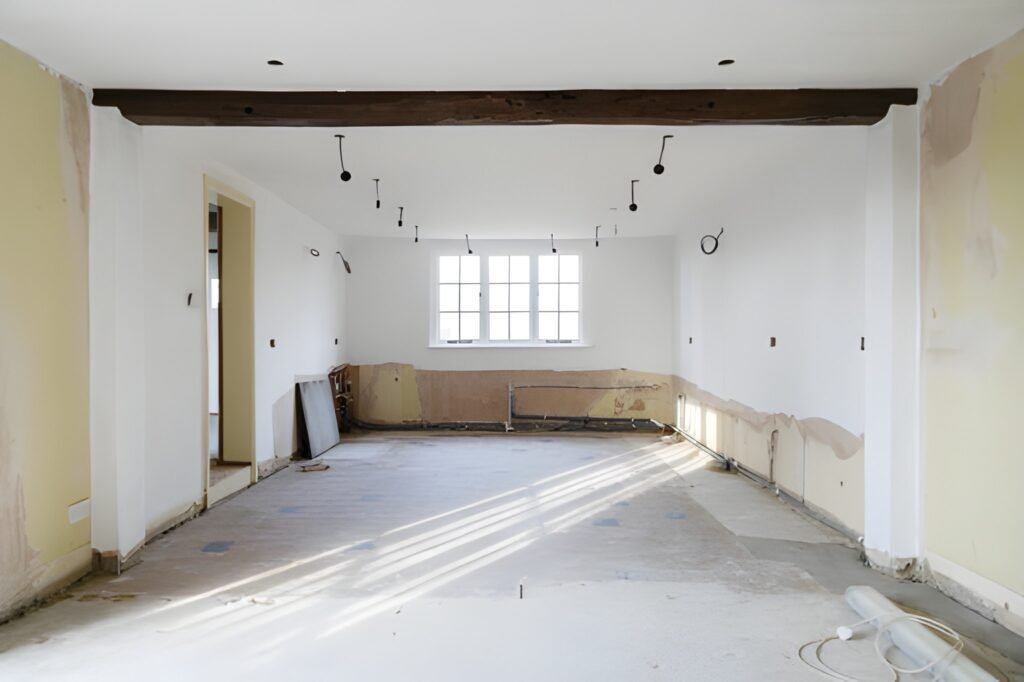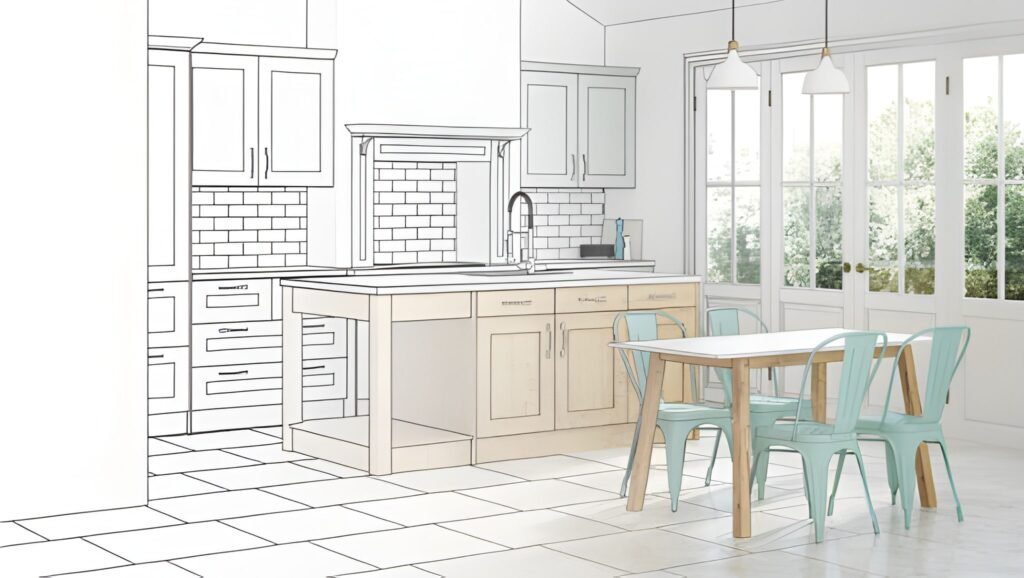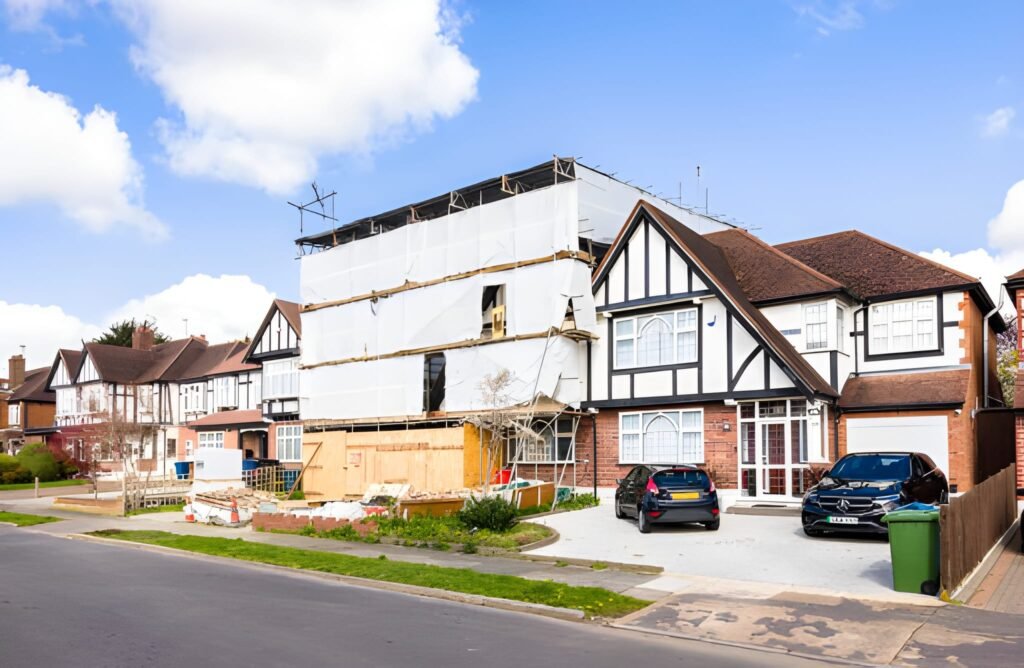
A company specializing in apartment renovation operates at the precise intersection of craftsmanship, project management, and financial strategy. Its role extends beyond mere construction work; it is a key player in enhancing real estate assets, whether preparing a property for rental, selling it with substantial added value, or improving the living environment for an owner-occupier. The process is systematic, from acquisition to delivery, and requires mastery of costs, timelines, and a deep understanding of the market.
Phase 1: Acquisition and Preliminary Analysis
The renovation company’s intervention often begins before any work starts, with a rigorous analysis of the property.
- Technical Audit: A thorough inspection is conducted to identify structural issues, the state of utilities (electrical, plumbing), the presence of prohibited materials like asbestos, and energy performance. This audit determines mandatory work and assesses budgetary risks.
- Market Analysis and Targeting: The renovation strategy is dictated by the property’s final purpose. A student rental apartment in a university district will not have the same fittings as a luxury pied-à-terre in an upmarket neighborhood. The company must define the target occupant profile and adapt the finishes, layout, and equipment level accordingly. The goal is to maximize capital gain (\text{Capital Gain} = \text{Resale Price} - (\text{Purchase Price} + \text{Renovation Cost})) or rental yield (\text{Gross Yield} = \frac{\text{Annual Rent}}{\text{Total Investment}} \times 100).
Phase 2: Design and Space Optimization
In older buildings, an apartment’s potential often lies in intelligent restructuring.
- Reconfiguring the Floor Plan: The objective is to create functional spaces that meet modern expectations. Typical actions include:
- Removing partition walls to create open-plan living areas (open-concept kitchen, living/dining room).
- Redistributing space to create a master suite with a walk-in closet and bathroom.
- Optimizing circulation to avoid wasted space.
- Choice of Materials and Finishes: The company establishes a palette of materials that balances cost, durability, and market appeal. Current trends favor natural materials (solid wood flooring, composite stone), light color schemes to enlarge the space, and energy-efficient appliances. Selections are standardized for volume projects to benefit from bulk discounts, while allowing for customizations for private clients.
Phase 3: Operational and Logistical Management
Executing work in an occupied building is a logistical challenge that requires meticulous planning.
- Scheduling and Sequencing: A detailed reverse-chronological schedule is established, coordinating the work of different trades (electricians, plumbers, plasterers, etc.). Timelines are a critical factor for profitability, as they directly impact financing costs.
- Managing Logistical Constraints: The company must manage:
- Debris removal: Use of skips and goods lifts, with a defined schedule.
- Work hours: Strict adherence to hours permitted by the building’s regulations to avoid neighbor disputes.
- Protection of common areas: Installation of protective sheets and coverings for floors and walls in stairwells and hallways.
Phase 4: Specializations by Market Segment
A high-performing company often distinguishes itself through expertise in a particular segment.
- Energy Renovation: Specialization in improving thermal performance. This includes internal wall insulation (external insulation often being impossible in multi-unit buildings), window replacement, installation of heat recovery ventilation systems (MVHR) and air-to-water heat pumps. These works, often eligible for subsidies, meet a growing demand.
- Loft and Basement Conversions: Transforming uninhabitable spaces into valuable living areas, a complex operation that often requires a building permit modification and structural expertise.
- Luxury Renovation: For high-end projects, the company collaborates with interior designers and master artisans for bespoke creations, using luxury materials and integrated smart home technology.
The Business Model and Cost Control
The company’s profitability relies on tight cost control.
- Cost Structure of a Typical Project:
- Labor (40-50%): The largest cost item.
- Materials (30-40%): Negotiated with suppliers.
- Overheads and Margin (15-25%): Covers operational costs and profit margin.
- Billing Models: Formulas vary: a fixed price for well-defined projects, time and materials for more complex projects, or design and build contracts that bundle design and execution.
Ultimately, a successful apartment renovation company is a hybrid entity. It combines the precision of an engineer, the creativity of a designer, and the acumen of a financier. Its core product is not just a renovated apartment, but a strategically enhanced asset and an improved quality of life, delivered through a process that is as disciplined as it is transformative.