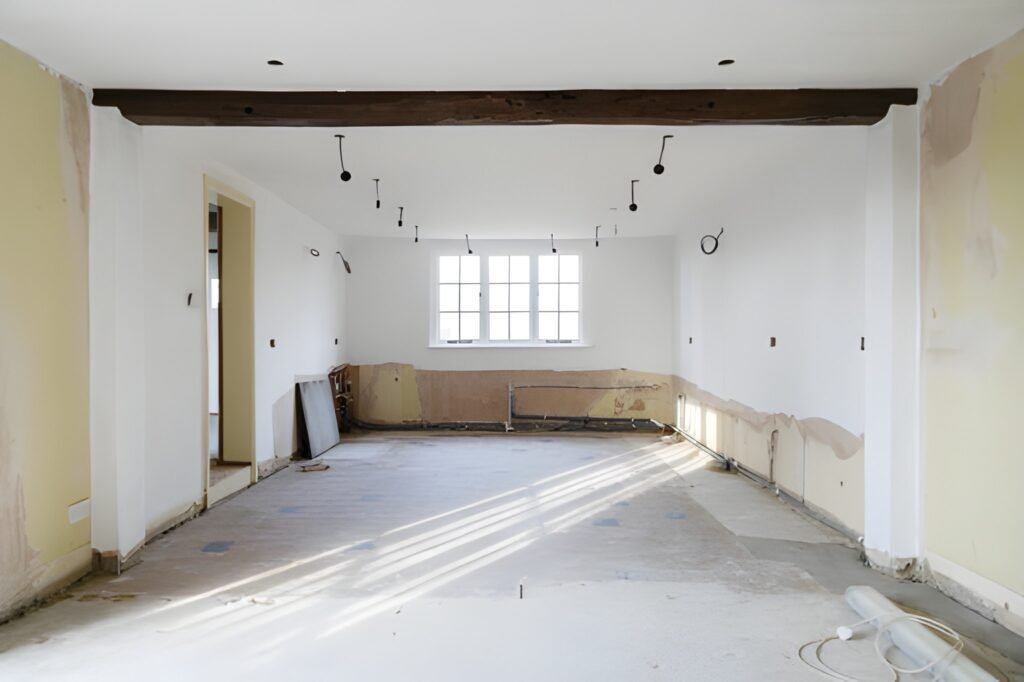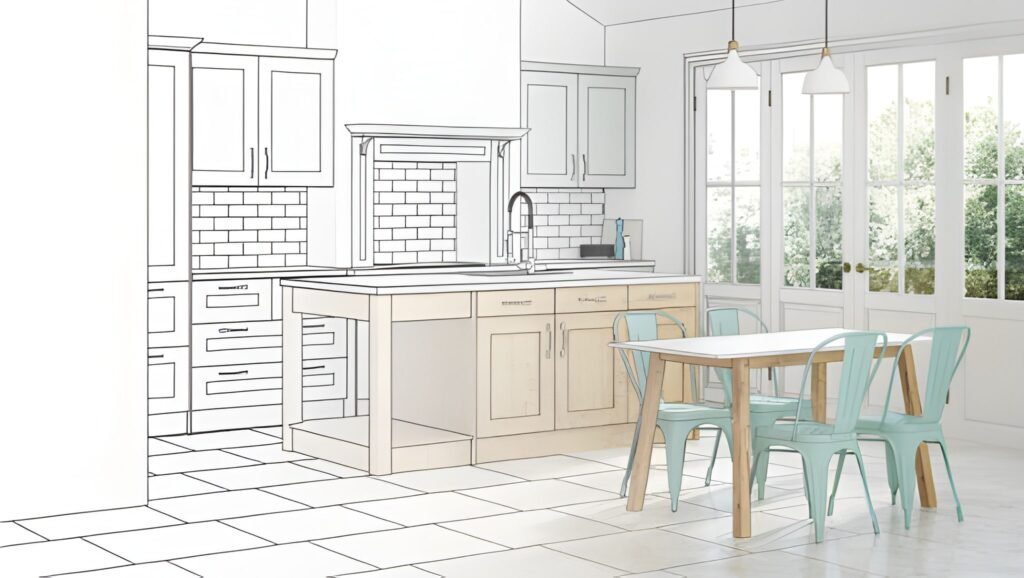
A kitchen renovation is one of the most significant and rewarding projects a homeowner can undertake. It is a complex interplay of design, functionality, and investment that goes far beyond simply updating cabinets and appliances. The kitchen is the operational and social hub of a modern home; a successful renovation must therefore balance aesthetic vision with the practical realities of daily life, all while navigating budgets, timelines, and the challenges of construction. This guide moves beyond superficial advice to explore the strategic layers of a kitchen renovation, providing a framework for planning, executing, and achieving a result that enhances both your lifestyle and your property’s value.
Phase One: The Foundational Strategy – Planning and Budgeting
The single most critical phase of any renovation happens before a single wall is touched. A meticulously planned project is the difference between a smooth, successful transformation and a stressful, costly ordeal.
Defining Your “Why” and Establishing a Realistic Budget
Begin by asking fundamental questions. What is the primary goal? Is it to improve workflow, increase storage, create a space for entertaining, or simply modernize an outdated room? Your objective will dictate your priorities. Once the goal is clear, establish a realistic budget. A common industry benchmark for a mid-range, full-kitchen renovation in the UK is between £10,000 and £25,000. A high-specification project can easily exceed £30,000.
Your budget must be comprehensive. It should be broken down into clear categories:
- Cabinetry & Joinery: (35-45%)
- Appliances: (15-25%)
- Worktops & Splashbacks: (10-15%)
- Labour & Professional Fees: (20-30%)
- Lighting, Flooring, Sinks, Taps & Contingency: (10-15%)
The contingency fund is not optional. It is your financial safeguard against unforeseen issues, such as outdated wiring, plumbing problems, or structural surprises discovered once the old kitchen is removed.
The Workflow Triangle and Layout Options
The classic “workflow triangle” between the sink, refrigerator, and cooker remains a timeless principle of efficient kitchen design. The goal is to place these three points in a connected but unobstructed triangular formation to minimize unnecessary movement. Modern interpretations of this principle have evolved into several standard layouts:
- The Galley Kitchen: Two parallel runs of units. This is an incredibly efficient layout for a single cook, maximizing every inch of space in a narrow room.
- The L-Shaped Kitchen: Units arranged on two adjoining walls. This layout is versatile and works well in open-plan spaces, often incorporating a dining table or island.
- The U-Shaped Kitchen: Units on three walls. This provides abundant storage and counter space, creating a highly functional and enclosed work zone.
- The Island Kitchen: A central unit that can house a sink, hob, or simply provide prep space and seating. This is the aspirational layout for open-plan living, creating a natural social hub.
Phase Two: The Core Components – Cabinetry, Worktops, and Appliances
The selection of these three elements defines the kitchen’s character, quality, and performance.
Cabinetry: The Backbone of Storage and Style
The choice is typically between off-the-shelf, flat-pack units and those from trade suppliers or bespoke joiners. Trade-supplied kitchens offer a significant step up in quality, with more durable rigid carcasses, a wider range of door styles (from modern slab to traditional shaker), and better hardware (hinges and drawer runners). Soft-close mechanisms are now a standard expectation for a quality kitchen. The finish—whether painted, laminate, or wood veneer—will have a major impact on the overall aesthetic and durability.
Worktops: The Functional Surface
The worktop is both a workhorse and a central design feature.
- Laminate: A cost-effective and versatile option, with modern designs convincingly mimicking stone and wood.
- Wood (Butcher Block): Adds warmth but requires maintenance to prevent staining and water damage.
- Quartz Composite (e.g., Caesarstone, Silestone): The leading choice for many renovations. It is non-porous, highly durable, stain-resistant, and available in a vast array of colours and patterns.
- Natural Stone (Granite, Marble): Offers unique beauty but is porous, requires sealing, and can be susceptible to staining and etching.
Appliances: The Engine Room
Your appliance strategy should align with your cooking habits. An integrated look, where appliances are hidden behind cabinet panels, creates a seamless, streamlined aesthetic. For a more statement look, freestanding or “statement” ranges can serve as focal points. The key is to select the appliances early in the design process to ensure the cabinetry is built to their exact dimensions. Prioritize energy efficiency (A+++ ratings) to reduce long-term running costs.
Phase Three: The Execution – Labour, Lighting, and Finishing Touches
The Importance of Professional Labour
A kitchen is a complex assembly of plumbing, gas, electricity, and carpentry. While a confident DIYer can install flat-pack units, the connection of services and the flawless installation of worktops should be left to qualified professionals. A skilled kitchen fitter ensures that everything is level, plumb, and secure, providing a finish that looks professional and functions perfectly.
The Layered Lighting Scheme
Lighting is what transforms a kitchen from a purely functional space into an inviting environment. A single central light is insufficient. A professional scheme uses three layers:
- Ambient Lighting: General illumination, typically from recessed LED downlights in the ceiling.
- Task Lighting: Focused light where it is needed most, such as under-cabinet LED strips to illuminate countertops.
- Accent Lighting: Decorative lighting to add drama and warmth, such as pendant lights over a breakfast bar or in-cabinet lighting to showcase glass-fronted units.
Finishing Touches: The Details that Define the Space
The final layer is where personality shines through. The choice of sink (a deep, single-bowl stainless steel or a composite granite), taps (a sleek, pull-down mixer), and splashback (a bold tile or a simple glass panel) adds character. The flooring must be durable and practical; Luxury Vinyl Tile (LVT) is a popular choice for its resilience, water resistance, and comfort underfoot.
A kitchen renovation is a significant undertaking, but with strategic planning, a clear budget, and a focus on quality for the core components, it is an investment that pays dividends for years to come. It creates a space that is not only beautiful but also a highly efficient and joyful place to cook, eat, and gather—truly making it the heart of the home.