A renovation budget of £150,000 represents a significant investment in the UK property market. It is the threshold at which a comprehensive, structural transformation becomes possible, moving beyond cosmetic updates to fundamentally reshape a property’s layout, performance, and value. This is not a project for a faint-hearted investor or an inexperienced DIY enthusiast; it is a professional undertaking that demands rigorous planning, project management, and a clear-eyed vision of the return on investment. This article follows the journey of a typical Victorian terraced house through a £150k renovation, detailing the strategic allocation of funds, the challenges encountered, and the tangible outcomes in terms of both liveability and financial gain.
The ‘Before’: A Structural Canvas
The subject property is a classic, unmodernised Victorian mid-terrace house in a commuter town in the South East, purchased for £375,000. The ‘before’ state was a time capsule of the 1970s, structurally sound but functionally obsolete.
Key ‘Before’ Characteristics:
- Layout: A cramped, compartmentalised ground floor with a small living room, a separate dining room, and a narrow, dilapidated kitchen extension leading to a neglected rear yard. Three bedrooms upstairs, with the main bedroom featuring an original fireplace but no built-in storage. A single, outdated bathroom.
- Services: Ancient gas boiler, fabric-wrapped wiring, lead water pipes in places, and single-glazed sash windows that bled heat.
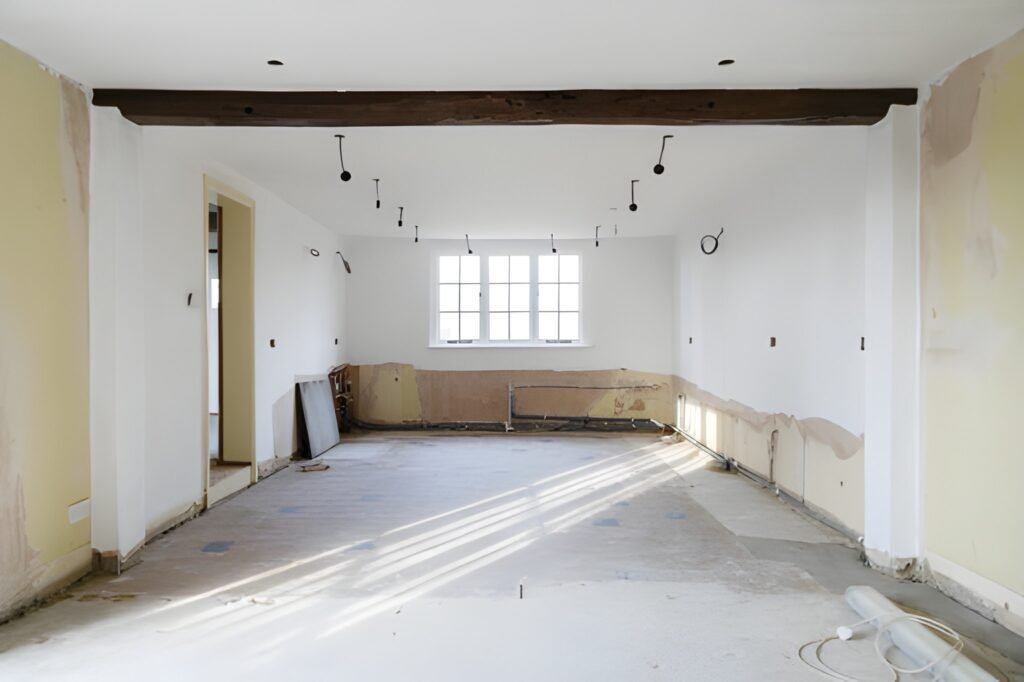
- Condition: Damp in the ground floor extension, uneven floorboards, outdated decoration throughout, and a roof in need of some repointing.
- Potential: The property had generous proportions, high ceilings, and original features like cornices and fireplaces buried under layers of paint. The rear garden had a good size, and the loft was a viable candidate for conversion.
The purchase strategy was to buy a property with ‘good bones’ in a desirable location, where the £150k investment could unlock its latent value. The goal was not to create a luxury show home, but a high-quality, energy-efficient, and family-friendly residence that would appeal to the broadest segment of the market.
Strategic Budget Allocation: The £150k Blueprint
A budget of this magnitude disappears with alarming speed without a disciplined allocation. The following breakdown illustrates a typical and strategic distribution of funds for a project of this scale.
| Phase | Scope of Work | Allocated Budget | % of Total |
|---|---|---|---|
| 1. Structural & Shell | Side return extension, loft conversion shell (stairs, windows, structure), new roof, damp proofing, structural steelwork. | £55,000 | 36.7% |
| 2. Mechanical & Services | New heating system (boiler, radiators, underfloor heating), full rewire, new plumbing, ventilation. | £25,000 | 16.7% |
| 3. Windows & Doors | Double-glazed sash windows throughout, new internal doors, new composite front door. | £15,000 | 10.0% |
| 4. Interior Finishes | Plastering, flooring, kitchen, bathroom & en-suite suites, tiling, painting, joinery (e.g., built-in wardrobes). | £40,000 | 26.7% |
| 5. Contingency | Unforeseen issues (e.g., discovered rot, additional structural work). | £15,000 | 10.0% |
| Total | £150,000 | 100% |
This allocation prioritises the permanent, unglamorous elements that form the backbone of the property: the structure and the services. Skimping here is a false economy, leading to high maintenance costs and poor energy performance down the line.
The Renovation Journey: Key Transformations
1. The Ground Floor: From Compartmentalised to Open-Plan
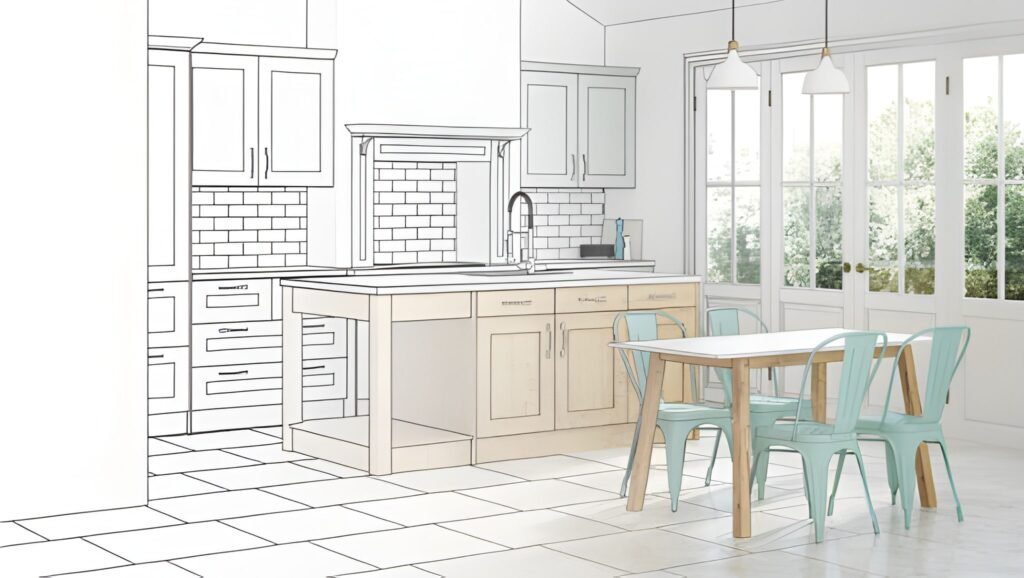
The single most impactful change was the demolition of the rear kitchen extension and the building of a full-width side return extension. This created a generous, open-plan kitchen-dining-living area that spanned the entire width of the house, flooding the space with light via a large rooflight and bifold doors opening onto the newly landscaped garden. The cost was substantial, but the reward was a modern living space that completely altered the feel of the property.
- Cost: £35,000 (including steelwork, foundations, and glazing)
- Challenge: Negots with the Party Wall Act for the foundation work with neighbours.
2. The Loft: Adding a Fourth Bedroom and En-Suite
Converting the unused loft space into a principal bedroom with an en-suite shower room was the second major value-add. This addressed the common drawback of three-bedroom Victorian homes—the lack of a generous master suite.
- Cost: £28,000 (including new loft stairs, dormer window, insulation, and en-suite fit-out)
- Challenge: Integrating a new flight of stairs without compromising the landing space on the first floor.
3. The Infrastructure: Bones and Muscles
The £25,000 allocated to services bought a future-proofed home. This included:
- A new condensing gas boiler with smart controls.
- Underfloor heating in the new kitchen extension for comfort and efficiency.
- A full rewire with ample sockets, data points, and downlighters.
- Re-plumbing with a modern manifold system to ensure good water pressure.
4. The Finishes: Quality and Character
With £40,000, the finishes needed to be smart but not extravagant. A mid-range kitchen from a reputable supplier was chosen, paired with a quartz worktop for a touch of luxury. In the bathrooms, classic white suites were fitted with quality tile selections. Original floorboards were salvaged, sanded, and sealed upstairs, while engineered oak flooring was laid downstairs. The original fireplaces and cornicing were restored, striking a balance between period charm and contemporary convenience.
The ‘After’: A Quantifiable Transformation
The outcome was a property transformed from a dated, inefficient house into a bright, spacious, and high-performing home.
Valuation and Return on Investment (ROI)
The post-renovation market valuation was critical. Local estate agents valued the completed property at £625,000.
We can calculate the total investment and the gross profit. The total project cost is the purchase price plus the renovation budget.
Total Investment = £375,000 + £150,000 = £525,000The gross profit is the final valuation minus the total investment.
Gross Profit = £625,000 - £525,000 = £100,000The Return on Investment (ROI) on the renovation spend itself is the most telling metric. It shows how effectively the £150k was deployed.
ROI = \frac{£625,000 - £525,000}{£150,000} = \frac{£100,000}{£150,000} = 0.6667This equates to a 66.7% return on the renovation investment. This is a strong return, though it does not account for transaction costs like stamp duty, legal fees, or agent fees upon sale, which would reduce the net profit. For an owner-occupier, this profit is unrealised but represents a significant increase in their equity and net worth.
Beyond Financials: The Performance Upgrade
The value created was not just financial. The Energy Performance Certificate (EPC) rating leapt from a G (the lowest) to a C, with the potential to reach a B with the addition of solar panels. Annual energy bills were projected to fall from over £2,500 per annum to under £1,200. This operational saving, combined with the vastly improved comfort and functionality, represents a profound enhancement to the quality of life for the occupants.
Lessons from a £150k Project
This scale of renovation is a complex undertaking. Key lessons emerge:
- Contingency is Non-Negotiable: The 10% contingency was partially used to address unexpected roof timbers that needed replacement. Without it, the project would have stalled.
- Sequence is Critical: The workflow must be logical: make the structure sound first (roof, walls), then install services (wires, pipes), then close up the walls (plastering), and only then apply the finishes.
- Professional Project Management Pays for Itself: Hiring a main contractor or experienced project manager to coordinate architects, structural engineers, and trades prevents costly delays and miscommunication.
- Value is in Space and Light: The two most valuable additions were not the kitchen units or the bathroom tiles, but the creation of new, bright, and functional spaces through the extension and loft conversion.
A £150,000 renovation, when executed with strategic precision, has the power to transcend a mere refurbishment. It is a recalibration of a property’s very essence, aligning a historic shell with the demands of modern living. It is a demanding financial and logistical journey, but for those who navigate it successfully, the reward is a home that is not only beautiful and functional but also a robust and intelligent financial asset.