A renovation budget of £200,000 represents a pivotal tier in UK property development. This is not a refresh; it is a fundamental recalibration of a building’s structure, layout, and performance. At this level, the project scope expands from modernising an existing footprint to reconfiguring and expanding it, often tackling significant structural work and high-specification finishes. This guide dissects the strategy, allocation, and execution of a £200k renovation, moving beyond the superficial to explore the critical decisions that separate a successful investment from a costly misadventure.
The Project Profile: The Ideal Candidate for a £200k Investment
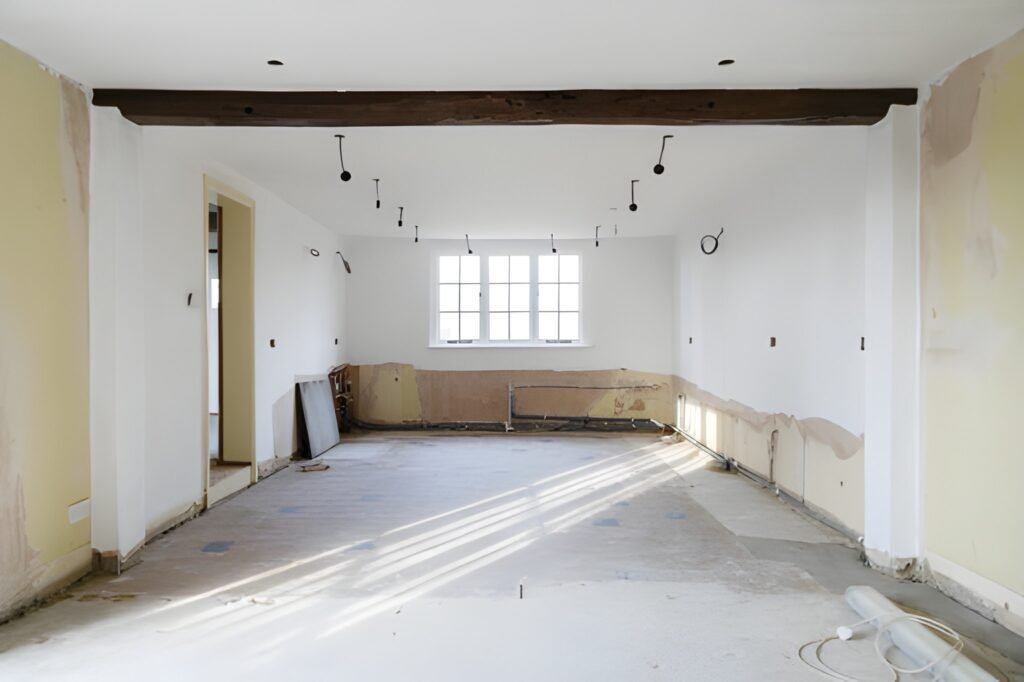
Not every property warrants or can effectively absorb a £200,000 renovation. The ideal candidate is typically a larger period property—a detached Victorian villa, a substantial Edwardian semi-detached, or a 1930s detached house—in a prime location within a commuter belt or a desirable urban area. The “before” state is often one of severe functional obsolescence.
Imagine a property purchased for £550,000. Its key characteristics are:
- Layout: A labyrinth of small, dark rooms, a disconnected kitchen, and inadequate bathroom provision for the property’s size.
- Structural Issues: A failing rear extension, potential subsidence signs requiring underpinning, or a roof structure in need of significant repair.
- Services: Antiquated wiring, lead plumbing, and an oil-fired or obsolete heating system.
- Potential: A large, neglected garden, a generous loft space, and the plot size to accommodate a side or rear extension. The location is the primary asset, with the house itself being the underperforming element on a valuable piece of land.
The goal with a £200k budget is to transform this underperforming asset into a premium, energy-efficient family home that stands as one of the best on the street, thereby maximising its value and appeal.
The Budget Blueprint: A Strategic Allocation of £200,000
At this budget level, discipline in allocation is paramount. The following breakdown reflects a project involving a rear extension, a loft conversion, and a comprehensive overhaul of the building’s fabric.
| Phase | Scope of Work | Allocated Budget | % of Total |
|---|---|---|---|
| 1. Structural & Envelope | Two-storey rear extension, loft conversion, structural steelwork, underpinning, new roof coverings, damp proof course, external wall insulation. | £80,000 | 40% |
| 2. Mechanical & Services | Air-source heat pump & underfloor heating, full rewire, new plumbing with manifold system, mechanical ventilation with heat recovery (MVHR), data cabling. | £35,000 | 17.5% |
| 3. Windows & Doors | High-performance double-glazed timber-aluminium composite windows, bespoke external rear doors, new internal doors. | £20,000 | 10% |
| 4. Interior Finishes | Kitchen, two/three bathrooms, flooring, plastering, joinery (built-in wardrobes, shelving), painting, tiling, lighting. | £50,000 | 25% |
| 5. Professional Fees & Contingency | Architect, structural engineer, building control, and a robust contingency for unforeseen issues. | £15,000 | 7.5% |
| Total | £200,000 | 100% |
This allocation demonstrates a significant investment in the permanent, unsexy elements. Over 40% is dedicated to the structure and shell, ensuring the building is sound for decades. Notice the shift towards future-proofed services like heat pumps and MVHR, which are becoming expected in high-end renovations.
The Transformation in Practice: Key Strategic Moves
1. The Rear Extension: Creating a New Heart of the Home
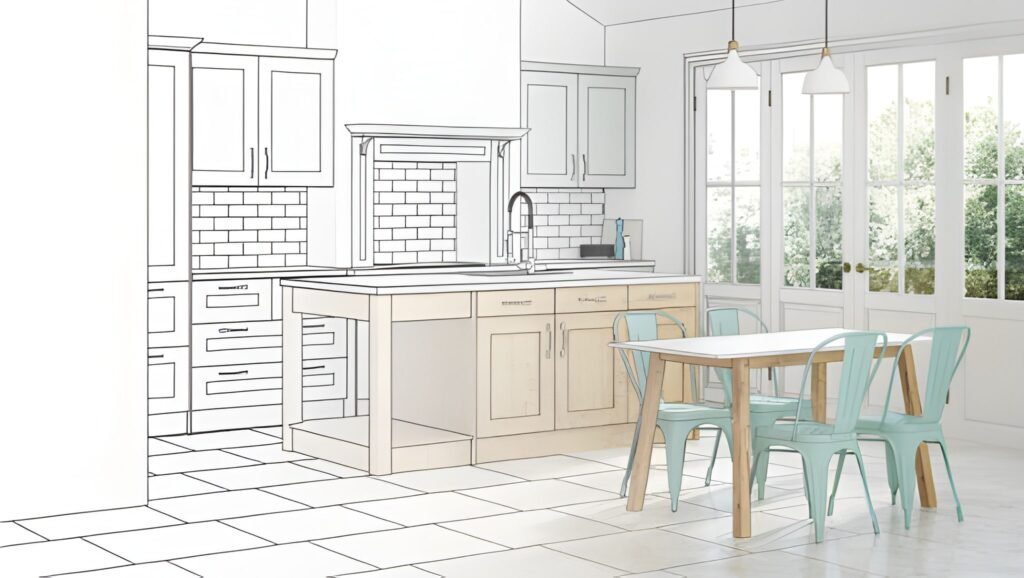
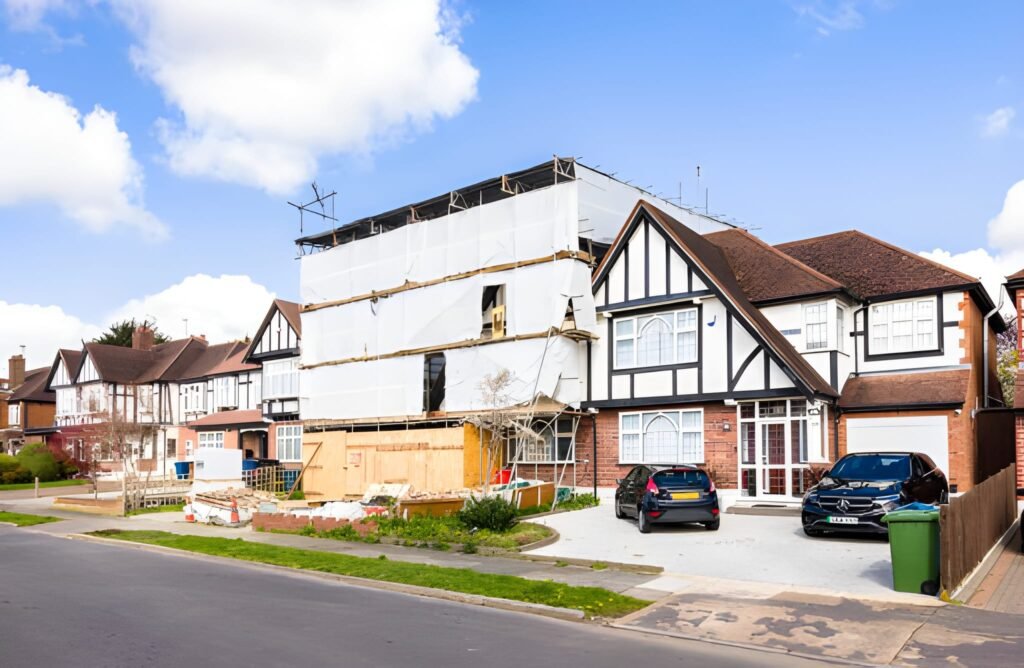
A two-storey rear extension is often the centrepiece. On the ground floor, this creates a large, open-plan kitchen-dining-family room. On the first floor, it might facilitate a new principal en-suite or reconfigure a chaotic bedroom layout into a harmonious one. The choice of materials—large-format glazing, zinc cladding, or brick to match the original—is a major cost and aesthetic driver.
- Cost: £55,000 (including foundations, steel frame, and high-spec glazing)
- Strategic Value: This single move often adds more square footage and perceived value than any other.
2. The Loft Conversion: Adding a Principle Suite
Converting a spacious loft into a full bedroom with a luxurious en-suite and eaves storage is a prime value-add. A dormer or hip-to-gable conversion maximises headroom and space.
- Cost: £35,000 (including new staircase, structural floors, en-suite, and Velux windows)
- Strategic Value: It adds a self-contained, premium space that appeals directly to the family market.
3. The Energy Transition: Beyond the Boiler
With a £200k budget, a simple gas boiler replacement is a missed opportunity. Installing an air-source heat pump (ASHP) is a forward-thinking investment. While the upfront cost is higher, it future-proofs the property against fossil fuel phase-outs and drastically reduces running costs. The equation for the heating system cost is substantial.
ASHP System Cost = £12,000 (including unit, UFH, and hot cylinder)
Compared to a new gas boiler system at approximately £4,500, the premium is £7,500. However, this can be partially offset by government grants like the Boiler Upgrade Scheme, and the marketing and energy bill advantages are significant.
4. The Finishes: Where Quality and Budget Intersect
With £50,000 for finishes, the choices must be strategic. A £20,000 kitchen from a specialist joiner provides better quality and fit than an off-the-shelf equivalent at the same price. Splurging on a statement tile or worktop in the main bathroom can define the space, while using robust but less expensive materials in utility areas is a smart compromise. The budget for the kitchen can be calculated as a percentage of the finishes budget.
The Financial Outcome: Analysing the Return
The post-renovation valuation is the ultimate measure of success. For our £550,000 purchase with a £200,000 investment, the target valuation would be in the region of £850,000 in a strong market.
The total investment is straightforward.
The gross profit is the uplift minus the investment.
Gross Profit = £850,000 - £750,000 = £100,000The critical metric is the Return on Investment (ROI) on the renovation spend.
ROI = \frac{£850,000 - £750,000}{£200,000} = \frac{£100,000}{£200,000} = 0.50This equates to a 50% return on the renovation investment. While a lower percentage than a smaller project, the gross cash profit is substantial. It is crucial to note that this does not account for stamp duty, professional fees, or financing costs, which would reduce the net return. For an owner-occupier, this represents a £100,000 increase in their equity and the creation of a home tailored to their needs for years to come.
Risk Management and Project Execution
A project of this scale is a marathon, not a sprint. Key risks include:
- Planning Permission: A two-storey extension or significant alteration often requires full planning permission, a process fraught with potential delays and conditions.
- Structural Surprises: Discovering rotten floor joists, inadequate foundations, or asbestos after work begins can devastate a budget. The 7.5% contingency is not a luxury but a necessity.
- Supply Chain and Trades: Coordinating a dozen different skilled tradespeople and managing material lead times requires expert project management. A main contractor, while adding cost, provides a single point of responsibility and is often worth the premium.
A £200,000 house renovation is a profound undertaking that blends finance, architecture, and logistics. It is a strategic process of value engineering—knowing where to invest for the greatest impact, be it in the thermal efficiency of the building envelope, the spatial flow of a new extension, or the quiet luxury of a well-executed kitchen. When planned with precision and executed with skill, it transcends mere property development. It becomes the art of resurrecting a property’s potential, resulting in a home that is not only a testament to modern living standards but also a formidable and resilient financial asset.