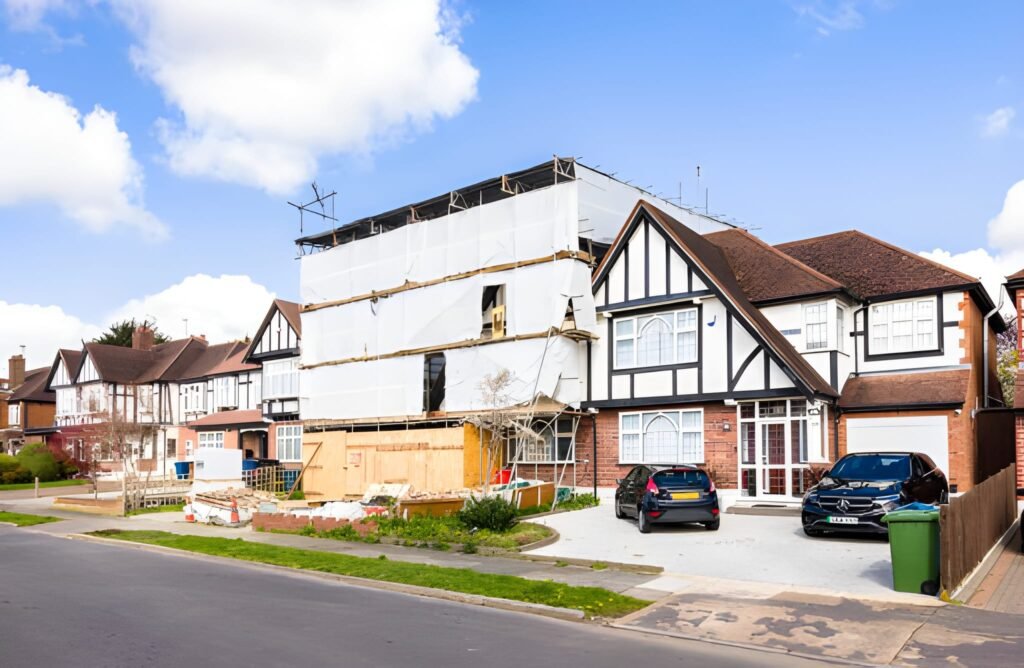
A £100,000 budget for a home renovation represents a significant investment, one that transcends mere cosmetic updates and enters the realm of transformative change. This level of funding allows a homeowner to address the fundamental performance and layout of a property, creating a home that is not only more beautiful and functional but also more valuable, efficient, and resilient for the long term. The key to success with such a substantial sum is strategic prioritisation—focusing on a sequence of high-impact interventions that work in concert to elevate the entire building.
Phase 1: The Fabric First Foundation (£40,000 – £50,000)
Before a single new kitchen unit is considered, the primary investment must be in the building’s envelope—the roof, walls, windows, and floors that separate the interior from the elements. This “fabric first” approach is non-negotiable for a high-value renovation. It ensures the home is thermally efficient, structurally sound, and protected from damp, creating the stable, low-energy platform upon which everything else is built.
- Roof, Walls, and Floors (£25,000-£35,000): This is the single most important allocation. For a typical 3-bed semi, this budget should cover:
- Solid Wall Insulation: Either external or internal insulation (EWI or IWI) is essential for pre-1920s properties. EWI is preferable as it eliminates thermal bridges and preserves internal space, but is more expensive.
- Roof and Floor Insulation: Upgrading loft insulation to 300mm and insulating suspended timber floors.
- Airtightness and Ventilation: Paying for meticulous draught-proofing and the installation of a Mechanical Ventilation with Heat Recovery (MVHR) system. This is critical once the building is made airtight, as it provides continuous fresh, filtered air while recovering up to 90% of the heat from the outgoing stale air.
- Windows and Doors (£15,000): Replace all windows and external doors with high-performance, thermally broken, double or triple-glazed units. This investment is crucial for comfort, eliminating cold spots and draughts, and is a major selling point for future buyers.
The impact is profound. A poorly insulated Victorian terrace might have an annual gas heating bill of £1,200. After a comprehensive fabric upgrade, this could be reduced to £500 or less. The annual saving of £700, while significant, only tells part of the story. The transformation in comfort—warm walls, even temperatures, and the elimination of condensation—is immeasurable.
Phase 2: The Systems and Services Overhaul (£25,000 – £30,000)
With an efficient shell secured, the next phase is to modernise the home’s core systems for safety, efficiency, and future-proofing.
- Electrics and Plumbing (£10,000-£15,000): A full rewire and replumb may be necessary in an older property. This is the time to future-proof with Cat6 data cabling, ethernet ports in key locations, and dedicated circuits for high-draw appliances. For plumbing, consider a manifold system with dedicated runs to each tap, allowing for easy isolation and balanced water pressure.
- Heating System (£8,000-£12,000): The centrepiece of this phase. With the heating demand drastically reduced by the fabric upgrades, the home is now perfectly suited for an air source heat pump. This all-electric system replaces the gas boiler, future-proofing the home against fossil fuel phase-outs. The remaining budget can cover new, larger radiators or underfloor heating, which are optimised for the heat pump’s lower flow temperatures.
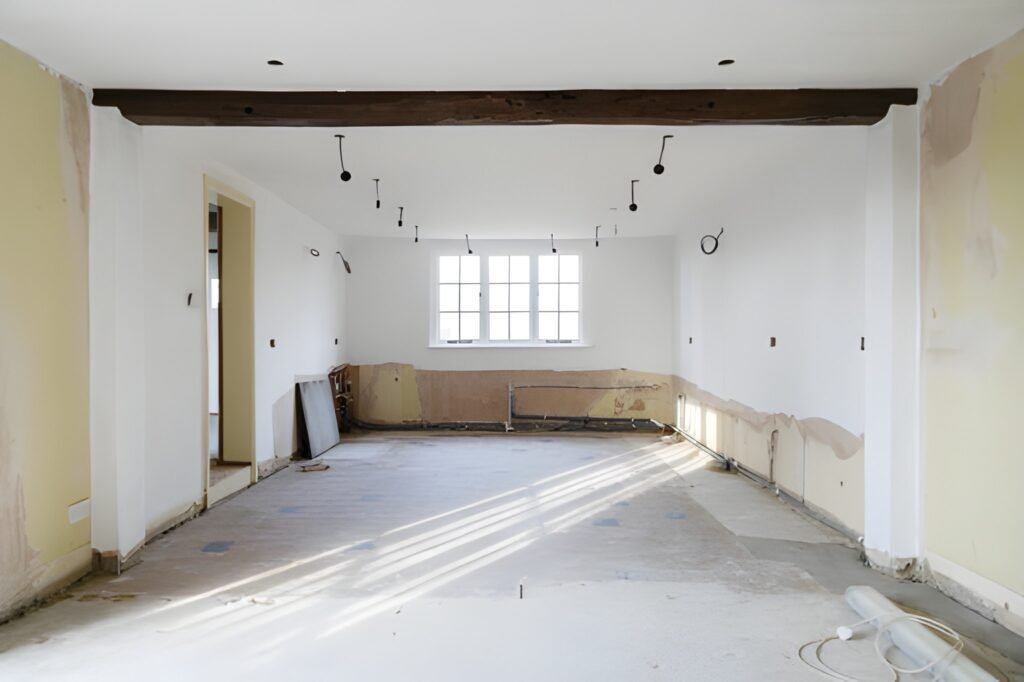
- Plastering and Making Good (£5,000): After the invasive work of insulation, rewiring, and replumbing, the walls and ceilings will need to be professionally plastered to create a perfect finish for decoration.
Phase 3: The Spatial and Finishing Strategy (£25,000 – £30,000)
The final phase focuses on the layout and finishes that define daily life. Because the foundational work is complete, this phase can be executed with confidence, knowing the new kitchen and bathrooms are within a warm, dry, and efficient shell.
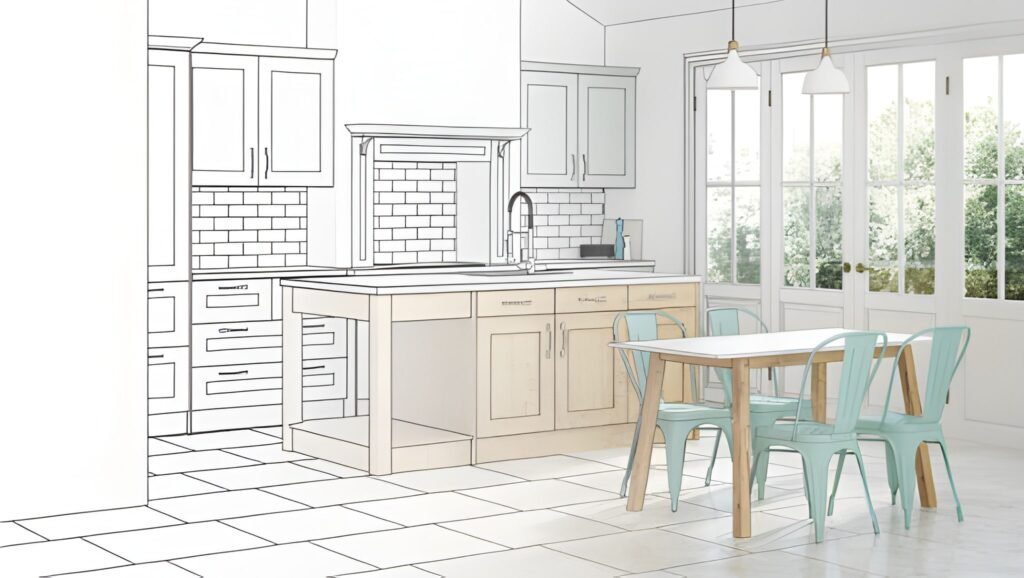
- Kitchen (£12,000-£15,000): This budget allows for a good-quality, bespoke or semi-bespoke kitchen with durable worktops (e.g., quartz or solid wood) and energy-efficient appliances. Focus on timeless design and functional layout over fleeting trends.
- Bathroom/s (£6,000-£10,000): For this sum, you can create a luxurious main bathroom and a well-appointed en-suite or cloakroom. Choose water-efficient fixtures and timeless materials like porcelain tiles.
- Flooring and Decoration (£5,000): Solid wood, engineered wood, or high-quality laminate throughout the main living areas, with tiles in wet rooms. This budget also covers professional painting and the final touches.
The Sustainable and Financial Return
This strategic, phased approach is not just about creating a pleasant living space; it is a sound financial and environmental investment.
- Energy Performance Certificate (EPC): A renovation of this calibre can lift a property from a D or E rating to a B or even A. This directly translates into higher market value and drastically lower running costs.
- Calculated Savings: The combined effect of the fabric upgrades and heat pump can reduce carbon emissions by over 2 tonnes annually. The financial saving on energy bills could be £800-£1,000 per year, providing a tangible return on the investment.
- Future-Proofing: By eliminating the gas boiler and creating a highly efficient envelope, the home is prepared for a net-zero future. Adding solar panels at a later date becomes a simple, highly effective addition because the home’s energy demand is so low.
A Sample Budget Allocation Table
| Phase | Category | Estimated Cost | Key Considerations |
|---|---|---|---|
| 1. Fabric First | Wall, Roof & Floor Insulation | £30,000 | Highest priority; EWI vs IWI decision is critical. |
| Windows & Doors (MVHR included) | £18,000 | High-performance glazing is non-negotiable for comfort. | |
| Subtotal | £48,000 | ||
| 2. Systems & Services | Air Source Heat Pump & Emitters | £11,000 | Requires a well-insulated home to be effective. |
| Full Rewire & Replumb | £12,000 | The unseen but vital nervous system of the home. | |
| Plastering & Making Good | £5,000 | Necessary after invasive works. | |
| Subtotal | £28,000 | ||
| 3. Spatial & Finishing | Kitchen | £14,000 | Invest in cabinetry quality and a functional layout. |
| Bathroom/s | £8,000 | Focus on quality fixtures and waterproofing. | |
| Flooring & Final Decoration | £5,000 | Creates the final aesthetic and feel. | |
| Subtotal | £27,000 | ||
| Contingency (10%) | £10,000 | Essential for unforeseen issues. | |
| Total | £100,000 |
A £100,000 renovation, executed with this disciplined, “fabric-first” strategy, is a transformative project. It moves beyond surface-level improvement to fundamentally enhance the building’s performance. The result is not a temporary makeover, but a lasting legacy—a home that is cheaper to run, more comfortable to live in, kinder to the planet, and fundamentally more valuable. It is the blueprint for creating a forever home, ready for the challenges of the 21st century.