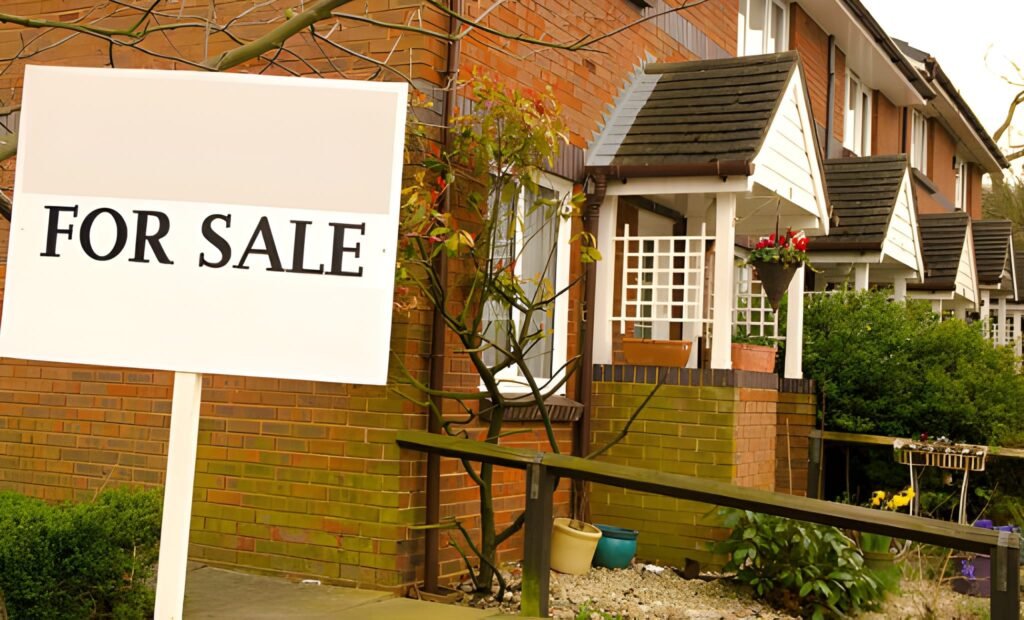
Preparing a home for sale is a deliberate and strategic process. It transcends mere cleaning; it is about methodically presenting your property to appeal to the broadest possible audience, thereby maximising its perceived value and enabling a swift sale. This comprehensive guide breaks down this process into 35 essential, actionable tips, covering everything from deep cleaning to strategic staging, all tailored for the UK market.
Exterior & Kerb Appeal: The Critical First Impression
- Repaint the Front Door: A fresh coat of paint in a classic, welcoming colour (e.g., navy, forest green, charcoal grey) instantly elevates the property’s entrance.
- Ensure Door Furniture Works: Polish the letterbox, house numbers, and door handle. Ensure the doorbell is functional.
- Clean Windows and Frames: Sparkling windows signal a well-maintained home. Don’t forget to wipe down the frames.
- Tidy the Garden: Mow the lawn, weed flower beds, and edge the paths. Neatly trim overgrown hedges and shrubs.
- Define Outdoor Spaces: Sweep patios and decking. Power-wash if necessary to remove algae and dirt.
- Add Seasonal Colour: Place two symmetrical pots with seasonal plants (e.g., pansies in winter, geraniums in summer) by the front door.
- Check the Roof and Gutters: Ensure no tiles are missing and gutters are clear of debris. Address any obvious issues.
- Store Bins and Tools: Ensure wheelie bins and gardening tools are stored out of sight in a shed or behind a screen.
- Check External Lighting: Ensure the porch light and any pathway lights are working for evening viewings.
Deep Cleaning: The Non-Negotiable Foundation
- Carpet and Upholstery Cleaning: Hire a professional cleaner for carpets and fabric sofas. This removes odours and stains and revitalises fibres.
- Degrease the Kitchen: Pull out appliances and clean behind them. Degrease extractor fan filters, splashbacks, and cupboard fronts.
- Descale Bathrooms: Use a powerful descaler on taps, showerheads, and tiles. Ensure shower screens are streak-free.
- Dust High and Low: Dust light fixtures, ceiling corners, skirting boards, and the tops of doors and cupboards.
- Clean Inside Appliances: Thoroughly clean the oven, hob, fridge, and dishwasher. Buyers will look inside.
- Address Pet and Smoke Odours: Use an ozone spray, deep clean soft furnishings, and ensure litter trays are immaculate and hidden.
- Polish All Surfaces: Polish wooden furniture, glass tables, and metallic finishes like taps to make them shine.
Decluttering & Depersonalising: Creating a Blank Canvas
- The 50% Rule: Remove at least half of the items from bookshelves, coffee tables, and kitchen worktops.
- Clear Floorspace: Remove unnecessary furniture to make rooms feel larger and improve the flow. Consider renting a storage unit.
- Edit Wardrobes and Cupboards: Neat, half-empty cupboards suggest ample storage. Pack away out-of-season clothes.
- Create a “Viewing Ready” Storage Box: Place items you use daily (toothbrushes, coffee machines, remote controls) in a box you can quickly stash before viewings.
- Pack Away Personal Photos: Remove family portraits, wedding pictures, and children’s artwork. This helps buyers visualise their own lives in the space.
- Neutralise Decor: Take down political, religious, or niche hobby items. The goal is to create a neutral environment that offends no one.
- Tidy Paperwork: Clear mail, magazines, and school forms from surfaces.
Minor Repairs & Maintenance: Demonstrating Care
- Fix Minor Defects: Attend to dripping taps, sticking doors, cracked grout, squeaky floorboards, and scuffed paintwork.
- Refresh Paintwork: Touch up scuffs on walls and woodwork with the original paint. Repaint any small rooms in pale, neutral colours to brighten them.
- Replace Hardware: Consider updating dated cupboard handles, door knobs, and light switch plates for a modern, cohesive look.
- Ensure All Lights Work: Replace any dead bulbs. Use consistent, warm-white bulbs throughout for a cohesive feel.
- Check Water Pressure: Ensure taps and showers have good pressure. If not, address the cause or consider fitting a new showerhead.
Staging & Atmosphere: Selling the Lifestyle
- Define Room Purposes: Ensure every room has a clear purpose. A box room should be staged as a study or nursery, not a dumping ground.
- Maximise Light: Open all curtains and blinds fully for every viewing. Turn on all lights, including in cupboards and wardrobes.
- Create Inviting Vignettes: Set the dining table, arrange cushions on a made bed, and place a towel and fancy soap in the bathroom.
- Control Scents: Before a viewing, air the house thoroughly. Then, introduce a subtle, neutral scent by baking bread, brewing coffee, or using a linen-scented diffuser.
- Add Mirrors: Strategically place mirrors to reflect light and create the illusion of more space, particularly in hallways and smaller rooms.
- Highlight Key Features: Ensure the estate agent knows to point out period features, new additions (e.g., “new boiler installed in 2023”), and ample storage.
- Provide Practical Information: Create a simple fact sheet for viewings detailing council tax band, broadband speeds, utility suppliers, and any recent renovations. This pre-empts common questions and demonstrates transparency.
Preparing your home for sale is a project that demands attention to detail and a objective perspective. By systematically working through these 35 tips, you transform your lived-in home into a desirable product. This process does not require a large budget, but it does require significant effort. The reward is a property that stands out in a competitive market, attracts serious buyers, and sells faster and for a better price. This meticulous preparation is the most effective investment you can make to ensure a successful sale.