Selling a property in the UK is a significant decision, often involving a complex process that can seem overwhelming at times. Whether you are upgrading, downsizing, or relocating, understanding the steps involved in selling your home can help you navigate the market with confidence and minimize stress. This guide will walk you through the entire home-selling process, from preparing your home to completing the sale, ensuring you achieve the best price in the shortest time.
Step 1: Prepare Your Home for Sale
Before you put your home on the market, it’s essential to ensure it’s in its best possible condition. The first impression potential buyers will get is crucial, and a little investment in tidying up, decorating, and making necessary repairs can go a long way in boosting its appeal.
1.1 Declutter and Depersonalise
Buyers often struggle to imagine themselves in a home filled with personal items. Decluttering and depersonalising your space is the first step to creating a neutral, inviting atmosphere. This involves:
- Clearing countertops, shelves, and floors of unnecessary items.
- Removing personal photos, family heirlooms, and overly bold artwork.
- Simplifying your decor to appeal to a broader range of tastes.
1.2 Make Small Repairs and Improvements
While you don’t need to invest in a full renovation, addressing minor repairs can have a significant impact. Here are some areas to focus on:
- Fixing leaky taps or pipes.
- Repainting walls that show signs of wear and tear.
- Repairing broken light fixtures, door handles, and cabinet hinges.
- Touching up chipped paint or wallpaper.
1.3 Enhance Curb Appeal
The exterior of your home is the first thing potential buyers will see. Make sure it looks inviting by:
- Mowing the lawn, trimming hedges, and tidying up the garden.
- Repainting the front door or adding a fresh coat of paint to the house’s exterior if needed.
- Ensuring pathways and driveways are clear and well-maintained.
1.4 Professional Cleaning
A professional cleaning service can give your home a fresh and polished look, especially for areas like carpets, windows, and deep-cleaning kitchens and bathrooms. This can make a huge difference in how buyers perceive the property.
Step 2: Set the Right Price
Pricing your home correctly is essential to attracting potential buyers while ensuring you get a fair return. Overpricing can result in your property sitting on the market for too long, while underpricing can mean leaving money on the table.
2.1 Conduct a Property Valuation
To determine an appropriate asking price, it’s crucial to have your property valued by a professional. Estate agents will consider factors such as:
- The size and condition of your home.
- Comparable properties (or “comps”) that have recently sold in your area.
- The state of the local property market.
Estate agents may suggest a price range, and it’s advisable to choose a figure that aligns with recent sales in your area, while also considering your personal financial goals.
2.2 Take Market Conditions into Account
Keep an eye on current market conditions. If it’s a seller’s market (where demand exceeds supply), you may be able to price your property slightly higher. Conversely, if it’s a buyer’s market (where supply exceeds demand), you may need to price more competitively.
2.3 Understand the Impact of Pricing
Pricing your home too high could result in no interest, while pricing it too low may attract low-ball offers. It’s essential to find a balance, and sometimes a slightly lower asking price can stimulate interest and lead to quicker offers.
Step 3: Choose the Right Selling Method
Once your home is prepared and priced, the next step is deciding how to sell it. There are several methods of selling a property in the UK, each with its own pros and cons.
3.1 Using an Estate Agent
An estate agent acts as an intermediary between you and potential buyers. They provide several services, including:
- Listing your property on property websites and in their office.
- Arranging viewings and conducting negotiations.
- Managing paperwork and legal formalities.
3.2 Online Estate Agents
Online estate agents are a more cost-effective alternative to traditional estate agents. They offer a reduced service (compared to high street agents), such as:
- Listing your property on major online platforms.
- Providing support and advice throughout the selling process.
- Offering lower fees, typically in the range of £500–£1,000.
3.3 Private Sale
Some sellers choose to sell their property privately. This method involves bypassing estate agents and dealing directly with buyers. While it can save on agency fees, it may take longer to find a buyer and you’ll be responsible for all aspects of the sale, including negotiations and legal processes.
3.4 Auction Sale
Selling a property at auction is an option, especially for unique or difficult-to-sell properties. Auctions can result in a faster sale, often in a matter of weeks, and can attract competitive bidding. However, you should be aware that properties sold at auction are typically sold as-is, with no chance for negotiation after the hammer falls.
Step 4: Market Your Property
Effective marketing is essential to attracting serious buyers. Whether you choose an estate agent or decide to go solo, your property should be presented in a way that maximises its appeal.
4.1 Photography and Virtual Tours
Professional photography can highlight your home’s best features and make it stand out in property listings. With more buyers browsing online, quality photos are crucial. Many agents also offer virtual tours, allowing buyers to view the property remotely.
4.2 Property Descriptions
Your listing description should be clear, concise, and focused on the unique selling points of your home. Mention the number of bedrooms and bathrooms, key features such as a garden or off-street parking, and the local amenities.
4.3 Online Listings
Make sure your property is listed on popular property websites such as Rightmove, Zoopla, and OnTheMarket. A wider online presence increases your chances of finding a buyer quickly.
4.4 Open Days and Viewings
Open days allow potential buyers to view your home without needing to make an appointment, creating a sense of urgency and competition. You should also accommodate individual viewings for serious buyers who want a more personal experience.
Step 5: Negotiate Offers
Once your property is listed, you’ll start receiving offers from interested buyers. At this stage, negotiation skills can make a significant difference in the final sale price.
5.1 Reviewing Offers
When you receive offers, consider not just the price but the buyer’s circumstances. Some buyers may offer a higher price but have conditions (such as needing to sell their own home first), while others may offer less but are in a stronger position to complete quickly.
5.2 Counter-Offers
If a buyer’s offer is too low, don’t hesitate to make a counter-offer. In a competitive market, buyers expect to negotiate, so making a reasonable counter-offer can help you secure a higher price.
5.3 Understand the Buyer’s Position
It’s important to assess the buyer’s situation before accepting an offer. If they have a mortgage in principle and no property to sell, they are likely in a stronger position to proceed quickly. On the other hand, a buyer who needs to sell another property first could delay the sale.
Step 6: Accept an Offer and Exchange Contracts
Once you’ve accepted an offer, it’s time to move towards completing the sale.
6.1 Accepting an Offer
Once you accept an offer, it’s important to confirm this in writing. You should also instruct a solicitor or conveyancer to handle the legal aspects of the sale.
6.2 Conveyancing
Conveyancing refers to the legal process of transferring the ownership of the property. Your solicitor will:
- Conduct searches to check for legal issues with the property.
- Draft the sale contract.
- Help coordinate the exchange and completion dates.
6.3 Exchange Contracts
The exchange of contracts is when both parties sign the sale agreement and the transaction becomes legally binding. At this point, the buyer will typically pay a deposit (usually 10% of the sale price).
Step 7: Completion and Moving Out
Completion is the final stage of the sale, where ownership is officially transferred to the buyer.
7.1 Completion Date
Completion usually occurs within 7 to 28 days of the exchange of contracts. On completion day, the buyer pays the remainder of the sale price, and your solicitor transfers the ownership. You’ll need to vacate the property by this date, so ensure your removal plans are in place.
7.2 Moving Out
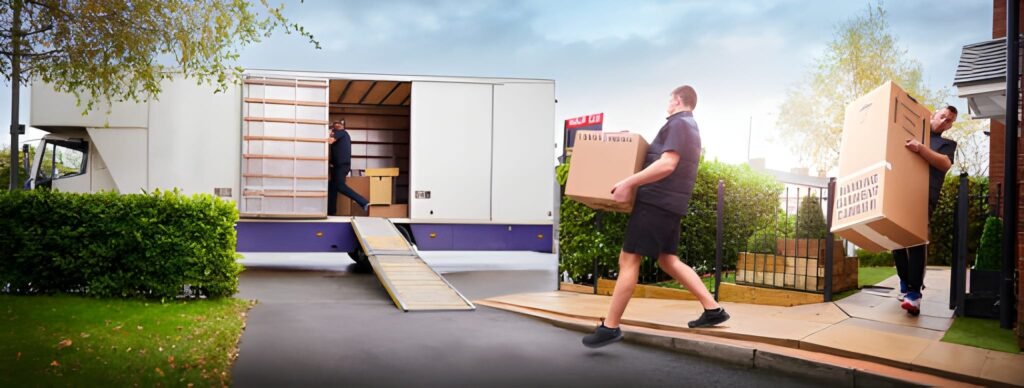
Plan your move ahead of time by hiring a removal company, notifying utility companies of your move, and ensuring all personal belongings are packed and ready.
Conclusion
Selling a property in the UK can be a complex and time-consuming process, but by following these steps and preparing ahead of time, you can navigate it with ease. From setting the right price to negotiating offers and finalizing the sale, each stage of the process requires careful thought and attention.
Remember, every property sale is unique, so it’s important to stay flexible and work closely with your estate agent, solicitor, and other professionals. By avoiding common mistakes and following this step-by-step guide, you’ll be well on your way to selling your home and achieving a successful sale.