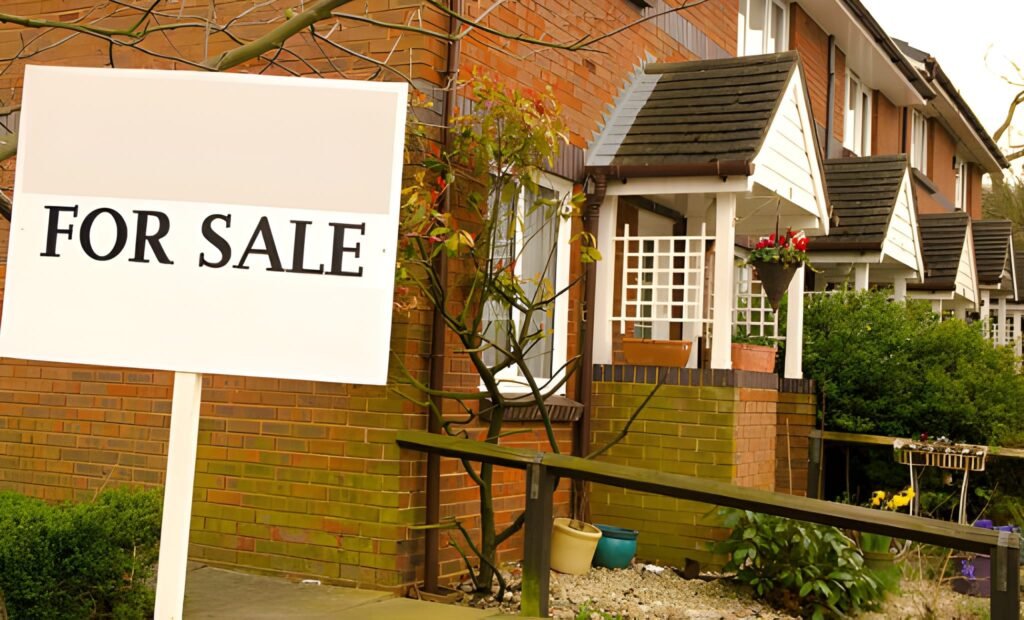
The moment you decide to sell your home, its identity shifts. It transforms from a personal sanctuary, filled with the unique imprint of your life, into a product on the open market. Its success in achieving a quick sale at the best possible price hinges on its ability to appeal to the broadest range of potential buyers. This process is known as home staging. It is not about deception; it is about strategic presentation. It is the art of highlighting a property’s strengths, downplaying its weaknesses, and creating a blank canvas upon which buyers can project their own dreams and future. In a competitive UK market, a well-staged property does not just sell faster; it often commands a premium, making the investment of time and effort profoundly worthwhile.
The Philosophy of Staging: Selling a Lifestyle, Not Just a House
Effective staging operates on a psychological level. Buyers make emotional decisions, which they later justify with logic. Your goal is to create an environment that fosters those positive emotions—a sense of space, light, comfort, and possibility. You must help them see not your life lived within those walls, but the potential for their own. This involves a process of systematic depersonalisation and optimisation. It requires you to view your property through a critical, objective lens, something that is often difficult for homeowners to do. The fundamental principle is to eliminate any obstacle that prevents a buyer from forming an emotional connection with the property.
Phase One: The Deep Clean and Declutter
This is the most critical and cost-effective step. There is no point applying fresh paint over grimy walls or arranging furniture in a room crowded with clutter. Deep cleaning is non-negotiable.
- Beyond Surface Cleaning: This means steam-cleaning carpets, washing windows inside and out to maximise light, descaling taps and showers, cleaning inside ovens and cupboards, and ensuring every surface is spotless. Buyers will open cupboards to assess storage; finding them clean, tidy, and organised creates a powerful impression of a well-maintained home.
- The Ruthless Declutter: Clutter is the enemy of space. It makes rooms feel smaller, darker, and chaotic. You must be ruthless. The goal is to remove approximately 50% of the items from your surfaces and shelves. This includes family photos, children’s artwork, collections of ornaments, and excess small appliances from worktops. Pack them away. The mantra is: if in doubt, box it out. This process serves a dual purpose: it makes your home more appealing for viewings, and it starts the essential work of packing for your eventual move.
Phase Two: Depersonalise and Neutralise
Your objective is to create a neutral backdrop. Buyers need to imagine their own furniture, their own art, and their own family photos on the walls. Strong personal tastes can be a significant barrier to this.
- Wall Colours: A feature wall in a bold red or a bedroom in a deep purple may suit your personality, but it can be a distraction or even a turn-off for a buyer. Repainting in neutral, light colours is one of the highest-return investments in staging. Shades like off-white, light grey, or soft beige make spaces feel larger, brighter, and more modern. They provide the perfect canvas for any buyer.
- Personal Items: Remove religious artefacts, political memorabilia, trophies, and personal photographs. You want the buyer to feel like a guest in their future home, not a guest in your current one.
- Odours: Be acutely aware of smells. Pet odours, strong cooking smells (despite the common advice to bake bread), and overpowering air fresheners can be a major negative. The goal is for the home to smell clean and neutral. Open windows for an hour before viewings to allow fresh air to circulate. A subtle, consistent scent from a diffuser with a neutral fragrance like linen or cotton can be effective.
Phase Three: Addressing Repairs and Maintenance
A property that appears poorly maintained suggests hidden problems and large future bills to a buyer. Tackling minor repairs pre-emptively removes negotiating points and presents your home as a cared-for asset.
- The List: Fix dripping taps, replace broken lightbulbs so every fitting works, oil squeaky doors, re-grout where necessary, touch up scuffs on paintwork and woodwork, and ensure all door handles and cupboard catches are secure.
- The Exterior: First impressions are formed in the first seven seconds. This means the exterior is paramount. Ensure the front door is clean and freshly painted if needed. Clean windows, clear gutters, weed the garden paths, mow the lawn, and add a couple of potted plants by the entrance. This is known as “kerb appeal,” and it sets a positive tone for the entire viewing.
Phase Four: The Art of Furniture Arrangement and Style
How you arrange your remaining furniture can dramatically alter the perception of space and flow within a room.
- Maximise Space: Arrange furniture to create clear, easy pathways through each room. Remove oversized pieces that make a room feel cramped. The goal is to define the purpose of a room while showcasing its size and potential. In a small living room, consider removing one or two ancillary pieces to open up the floor space.
- Create Conversation Areas: In living rooms, angle furniture towards a focal point, like a fireplace or a window with a pleasant view, to create an inviting sense of conversation and relaxation.
- Define Rooms: Ensure every room has a clear purpose. A box room should be staged as a home office, a nursery, or a guest bedroom—not a storage dump. This helps buyers visualise how they would use the space.
- Bedrooms: Invest in fresh, neutral bedding. Make beds neatly, with plumped pillows and throws. Bedrooms should feel like a serene, hotel-like retreat.
- Dining Room: Set the dining table with simple, elegant place settings. This helps buyers imagine entertaining friends and family there.
Phase Five: Lighting and Atmosphere
Light is a powerful tool in making a space feel warm, welcoming, and spacious.
- Maximise Natural Light: Before viewings, open all curtains and blinds fully to flood the rooms with as much natural light as possible. Ensure window sills are clear and clean.
- Layer Artificial Light: Use a combination of lighting sources to create a warm and inviting atmosphere, especially for viewings that may occur on grey days or in the evening. Use overhead lights, table lamps, and floor lamps to eliminate dark corners. Use warm-white bulbs rather than cold, blue-toned ones.
Phase Six: The Final Touches and Viewing Protocol
The work is done; now you must present it perfectly for each viewing.
- Fresh Flowers: A simple, inexpensive vase of fresh flowers in the hallway or on the dining table adds a touch of colour, life, and elegance.
- Bathrooms: Ensure bathrooms are spotless. Hang fresh, clean towels. Add a new bar of soap, and ensure mirrors are gleaming.
- Temperature: Make sure the home is at a comfortable temperature—warm in winter, cool in summer. A cold house feels unwelcoming.
- The Viewing Itself: If possible, vacate the property during viewings. It is incredibly difficult for buyers to relax and speak freely with the owner present. Let the estate agent do their job. If you must be present, be courteous but brief, and then give them space to explore.
The Financial Equation: Is Staging Worth It?
While professional home stagers exist, most of the process can be undertaken by the homeowner at a relatively low cost. The investment is primarily one of time and effort. The return, however, can be significant.
Consider a property valued at £400,000. A well-staged home may achieve a sale price just 2% higher than a comparable unstaged property and sell several weeks or months faster.
The calculation for the potential increased sale price is:
\text{Potential Price Increase} = \text{Property Value} \times 0.02 = £400,000 \times 0.02 = £8,000The cost of staging might involve £200 for paint, £150 for new bedding and towels, £50 for flowers over several weeks, and a significant investment of your time. Even if you spent £500, the return on investment is substantial.
\text{ROI} = \frac{\text{Price Increase} - \text{Staging Cost}}{\text{Staging Cost}} = \frac{£8,000 - £500}{£500} = 15.0This represents a 1,500% return on your investment, not to mention the saved mortgage payments and stress from a quicker sale.
Conclusion: The Strategic Advantage
Staging your home for sale is not a frivolous exercise in interior decoration. It is a fundamental part of the sales and marketing process. It is a strategic undertaking that requires a shift in mindset from owner to seller. By systematically addressing cleanliness, clutter, decor, and presentation, you are not just selling bricks and mortar; you are selling a vision of a future home. In the crowded and competitive UK property market, a staged home stands out. It photographs better for the online listings that generate viewings, it shows better in person, and it ultimately sells faster and for more money. It is the most effective tool a seller has to control the narrative of their property and secure the best possible outcome.