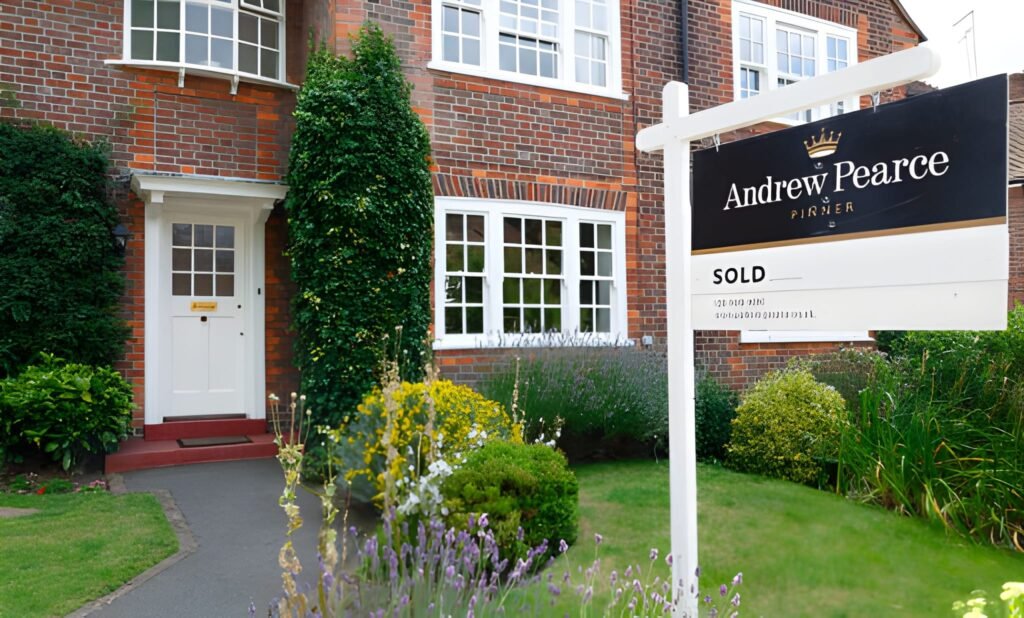
The decision to sell a home later in life is rarely just a financial transaction. It is a life transition, often marking the shift from a family home to a new chapter—whether that be downsizing, moving closer to family, or seeking a property that better suits your evolving needs. For homeowners in the UK aged 55 and over, this process is laden with unique considerations, from emotional attachment and financial planning to practical logistics. This guide provides a clear-eyed, strategic framework for navigating this significant move, ensuring it is conducted with confidence, security, and a focus on your long-term well-being.
The Emotional Landscape: Acknowledging the Weight of the Decision
A home is a repository of memories. The decision to sell is, therefore, an emotional one as much as a practical one. Acknowledging this is the first step towards a successful sale. The family home where children were raised represents a specific era of life. Letting go can feel like closing a book.
The key is to reframe the narrative from an ending to a beginning. This sale is not a loss; it is the enabling step for your next adventure. It is the capital that funds a seaside retirement, a manageable apartment without stairs, or a closer proximity to grandchildren. Give yourself permission to feel the sentiment, but guide your decisions with logic and a forward-looking perspective. A successful agent will understand this balance and offer respect and patience, not just a sales pitch.
The Financial Imperative: Understanding Your Equity and Tax Position
The financial outcome of this sale is paramount, as it will likely form a cornerstone of your retirement planning. A precise understanding of your position is critical.
1. Calculating Your Equity:
Your equity is the portion of the property you truly own. It is the sale price minus any outstanding mortgage or loans secured against the property.
For example, if you sell your home for £450,000 and have an outstanding mortgage of £75,000:
\text{Equity} = 450000 - 75000 = \text{£375,000}This £375,000 is the capital that will be available for your next purchase and/or to support your retirement.
2. Stamp Duty Land Tax (SDLT) on Your Next Purchase:
If you are buying a new, less expensive property, your SDLT liability will be reduced. However, it is crucial to calculate this cost upfront. As of 2024, SDLT rates and thresholds for a residential property in England and Northern Ireland are:
| Purchase Price Band | Standard Rate (%) | Rate for Additional Homes (%) |
|---|---|---|
| Up to £250,000 | 0 | 3 |
| £250,001 to £925,000 | 5 | 8 |
| £925,001 to £1.5 million | 10 | 13 |
| Above £1.5 million | 12 | 15 |
If you are selling your main residence and buying a new one, you will typically pay the standard rate. For a £300,000 purchase:
- 0\% on the first £250,000 = £0
- 5\% on the final £50,000 = £2,500
- Total SDLT = £2,500
This is a cost that must be factored into your moving budget.
3. Capital Gains Tax (CGT):
This is a critical advantage for homeowners. Provided the property you are selling has been your main residence for the entire time you have owned it, it is generally exempt from Capital Gains Tax through Private Residence Relief. This is a significant benefit that protects your entire gain from taxation.
The Practicalities: Preparing a Home for Sale After Decades of Living
Homes lived in for many years are lived-in homes. They are full of character but may also show signs of wear and tear that can deter modern buyers. The goal is not to erase your life but to present the property’s potential.
- Declutter and Depersonalise: This is the most effective and least expensive step. Potential buyers need to be able to imagine their own lives in the space. Systematically clear surfaces, cabinets, and bookcases. Consider packing away personal photographs and memorabilia. This process can also be the start of your physical move, making it doubly useful.
- Consider a “Light Touch” Refurbishment: You do not need to undertake a full gut renovation. Focus on high-impact, low-cost improvements:
- Fresh Paint: A neutral, magnolia or light grey colour scheme throughout makes spaces feel brighter, larger, and clean. It is a blank canvas for buyers.
- Minor Repairs: Fix dripping taps, sticking doors, cracked tiles, and broken light fixtures. These small items signal to a buyer that the property has been well-maintained.
- First Impressions: Ensure the front garden, gate, and front door are tidy and freshly painted. The hallway is the first interior space seen; make it light and welcoming.
- Be Realistic on Price: The market determines value, not memory. An agent will provide a Comparative Market Analysis (CMA) showing what similar properties on your street and in your area have actually sold for recently. Emotional attachment can lead to overpricing, which causes a property to become stale on the market, ultimately forcing a price reduction below its true market value.
Exploring Your Options: Beyond the Open Market
For homeowners over 55, the traditional open market sale is not the only path. Several specialist options exist, though they require careful evaluation.
| Option | How It Works | Pros | Cons & Considerations |
|---|---|---|---|
| Traditional Sale | Market the property through an estate agent, find a buyer, and proceed through the standard conveyancing process. | Potential for highest price. Full market exposure. | Can be slow. Risk of chain breaks. Stress of viewings. |
| Home Sale Schemes | A company agrees to buy your home for a agreed price, typically below market value, with a guaranteed completion date. | Certainty, speed, and no chain. Minimal viewings. | The offer will be significantly below market value (often 75-85%). |
| Part-Sale, Part-Rent | You sell a share of your property to a company and pay rent on the remaining share, often with the right to live there for life. | Unlocks equity without moving. Provides funds for retirement. | Complex legal arrangements. The rent can increase over time. Your heirs may inherit less. |
| Equity Release | Not a sale, but a way to unlock tax-free cash from your home. You take out a loan secured against your property, repaid when you die or move into care. | You remain in your home. No monthly repayments required. | Significantly reduces inheritance. Compound interest can quickly erode equity. |
Important Note: For any scheme that is not a traditional open market sale, especially home sale schemes and equity release, it is essential to seek independent legal and financial advice from a specialist who is not affiliated with the company making the offer.
The Role of Your Estate Agent: Choosing a Partner, Not a Salesperson
Your choice of agent is crucial. You need a advisor, not a high-pressure salesperson. Look for an agent who:
- Specialises in Your Property Type and Area: They will have the right buyer database.
- Communicates with Clarity and Patience: They should explain every step and be available to answer your questions.
- Provides a Realistic Valuation: Backed by solid data, not flattery.
- Offers a Flexible Viewing Policy: Understands that you may need to limit viewings to certain times and provides proper notice.
- Has Experience with Later-Life Sellers: They will be empathetic to your specific situation.
Conclusion: A Calculated Step Towards a New Beginning
Selling your home after 55 is a profound step. It is a process that demands both emotional sensitivity and financial rigour. By approaching it strategically—understanding your financial equity, preparing your property objectively, exploring all options with a critical eye, and partnering with a trustworthy professional—you can transform a potentially stressful event into a positive and empowering transition. This sale is the key that unlocks the next chapter of your life. Handle it with care, plan with precision, and move forward with the confidence that you are making a decision that secures your comfort and peace of mind for years to come.