A bathroom renovation sits at the intersection of personal sanctuary and practical home improvement. It is a project that demands a balance between aesthetic desire, functional need, and financial sense. Unlike more transient interior trends, a well-executed bathroom redesign should serve for a decade or more, making thoughtful planning the most critical phase. This guide moves beyond glossy magazine images to explore the foundational decisions that separate a successful, enduring renovation from a costly, short-lived update.
The Foundational Assessment: Space, Systems, and Scope
Before selecting a single tile, a rigorous assessment of the existing room is essential. This phase determines the project’s complexity, cost, and feasibility.
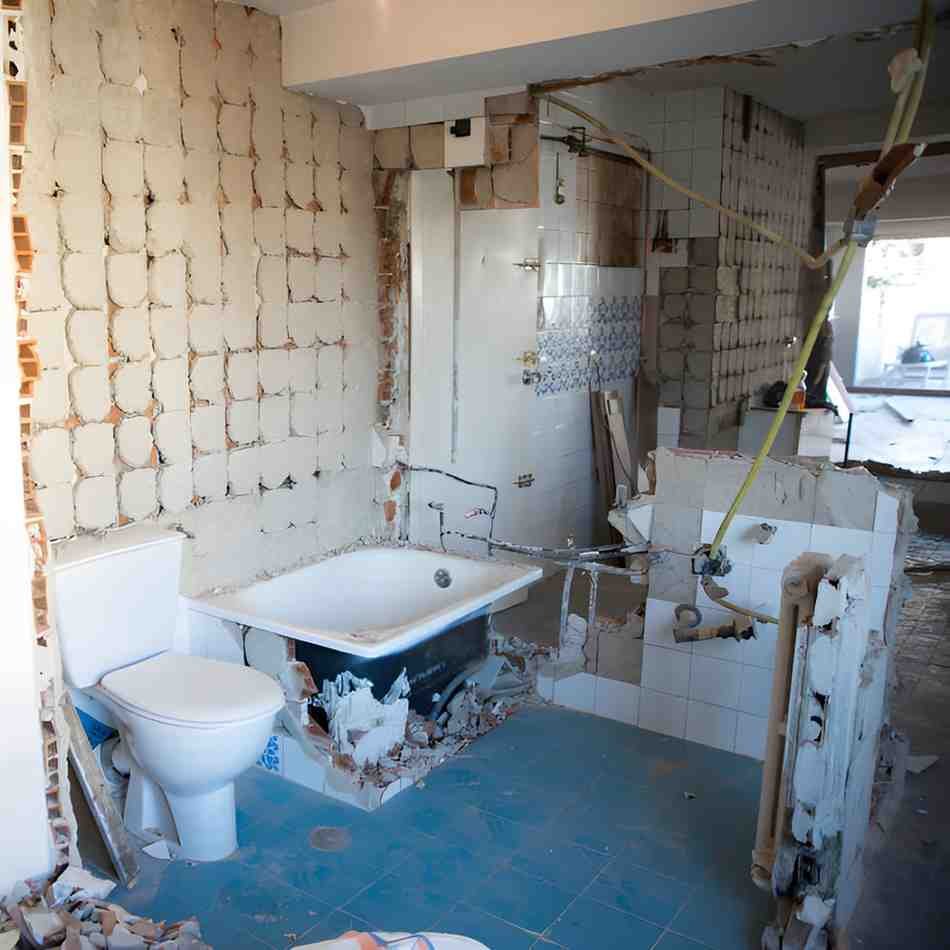
- Structural and Moisture Integrity: The first question is whether the room is sound. Check for signs of damp, wood rot, or failing tanking (waterproofing) behind existing tiles. Any structural or moisture issues must be resolved before any new installation begins; this is non-negotiable.
- The Plumbing and Electrical Layout: Decide whether you are working with the existing soil pipe and waste locations. Moving a toilet even a short distance can involve significant cost and complexity. Similarly, assess the electrical supply. An old bathroom may lack adequate circuits for modern demands like powerful extractor fans, heated towel rails, or underfloor heating. A full or partial rewire may be a necessary, if unseen, cost.
- The “Like-for-Like” versus “Reconfiguration” Decision: The most cost-effective renovation keeps all major fixtures—toilet, bath, shower, and sink—in their current positions. This avoids the expense of moving soil pipes, waste traps, and water supplies. Reconfiguring the layout offers a custom solution but can easily double the labour and materials cost.
The Hierarchy of Investment: Where to Allocate Your Budget
A successful budget is not spread evenly but allocated strategically to areas that deliver the greatest return in durability, performance, and daily satisfaction.
- The Envelope and Unseen Works (Approx. 25% of Budget): This is the unglamorous but critical foundation. It includes:
- Waterproofing (Tanking): Professionally applying a liquid membrane to all wet areas (shower, bath surround) to prevent leaks into the structure.
- Ventilation: Installing a high-performance extractor fan, ideally a humidistat-controlled or continuous running model, vented to the outside. This is essential for preventing mould and maintaining air quality.
- Substrate Preparation: Ensuring walls and floors are perfectly flat, stable, and ready for tiling.
Skimping here guarantees future problems that are expensive and disruptive to fix.
- Wet-Side Fixtures and Fittings (Approx. 35% of Budget): This category includes the shower, bath, taps, and toilet. Quality here translates to reliability and water efficiency.
- Shower System: Invest in a good-quality thermostatic mixer. It provides precise temperature control and safety, preventing scalding. A low-flow, high-performance showerhead (7-8 litres per minute) provides an excellent experience while saving water and energy.
- Sanitaryware: Choose durable, vitreous china for the toilet and a robust ceramic or stone-resin for the basin. Simple, classic designs tend to age better than highly stylised ones.
- Surfaces and Finishes (Approx. 25% of Budget): This is the visual layer—tiles, flooring, and paint.
- Tiling: Porcelain or ceramic tiles are the most practical choice for wet areas. Large-format tiles reduce grout lines, creating a cleaner look that is easier to maintain. The cost lies not just in the tiles themselves, but in the skilled labour for installation.
- Worktops and Flooring: For vanity units, quartz or solid surface materials offer durability. For flooring, porcelain tiles or luxury vinyl tile (LVT) provide waterproof, slip-resistant properties.
- Heating and Lighting (Approx. 15% of Budget): These elements define the room’s comfort and ambiance.
- Underfloor Heating (UFH): An electric UFH mat is a transformative addition, especially in a UK climate. It provides gentle, radiant heat, eliminates cold floors, and helps dry the room, reducing dampness.
- Layered Lighting: A single ceiling light is insufficient. A combination of IP-rated downlights for general light, a dedicated fixture (or LED mirror) at the mirror for task lighting, and perhaps discreet ambient lighting creates a functional and relaxing space.
The Sustainable and Practical Choice: The Walk-In Shower
For a renovation that must last, the walk-in shower with a level-access tray is the single most impactful upgrade. It is the embodiment of universal design—stylish, practical, and future-proof. It eliminates the physical challenge and danger of stepping over a bath side, a feature that becomes increasingly valuable over time. While a freestanding bath can be a luxurious centrepiece, its practicality is limited. For many households, a larger, more accessible walk-in shower provides more daily value than a bath used only occasionally.
A Realistic Budget Framework
Costs vary wildly by location and specification, but a realistic framework for a full, mid-range renovation of a standard bathroom (excluding complex reconfiguration) is:
- Budget/Tier 1 (£4,000 – £7,000): A refit using standard components from DIY chains, with a focus on like-for-like replacement. Limited scope for layout changes or high-end finishes.
- Mid-Range/Tier 2 (£8,000 – £15,000): The sweet spot for a quality renovation. Allows for good-quality tiles, a thermostatic shower, a UFH system, and professional installation with proper waterproofing.
- High-End/Tier 3 (£16,000+): Includes bespoke joinery, premium branded fixtures, complex wet-room tanking, natural stone, and significant layout changes.
A well-planned bathroom renovation is an investment in the quality of your daily life. By prioritising the integrity of the structure and the performance of the systems over fleeting trends, you create a space that is not only beautiful but also durable, efficient, and a genuine sanctuary for years to come. The most successful bathroom is one you do not have to think about—it simply works, perfectly and reliably, every day.