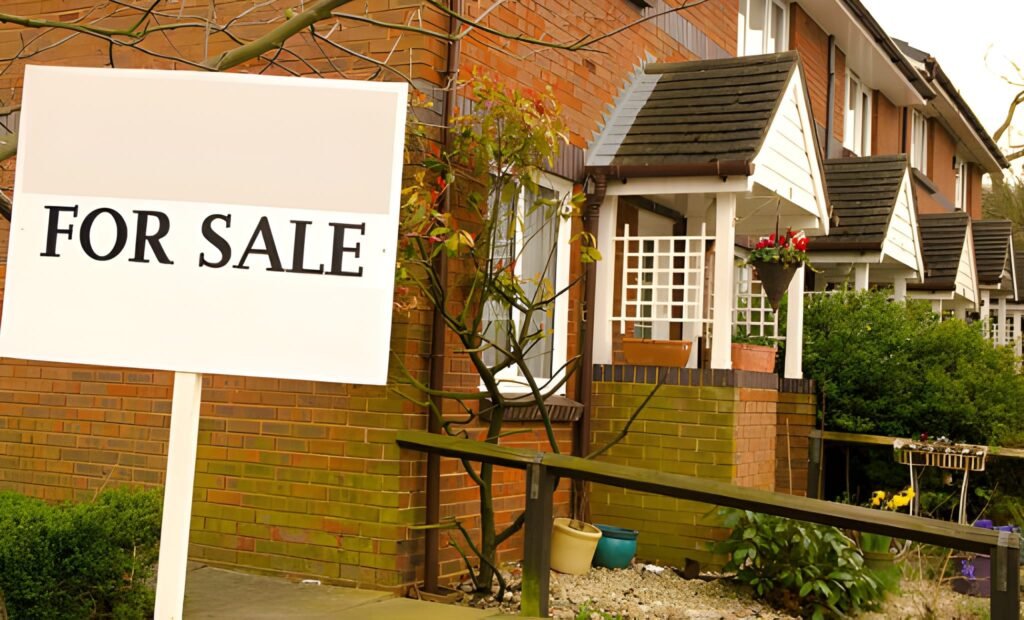
In the competitive theatre of the UK property market, a well-staged home is not merely a pleasant space; it is a strategic tool. It is the deliberate process of preparing a property for sale by highlighting its strengths, downplaying its weaknesses, and creating an environment where potential buyers can instantly visualise their future lives. This is not about deception; it is about curation. It is about translating the character of your home into a universal language of appeal that resonates with the broadest possible audience. For UK sellers, where every viewings counts and first impressions are formed online, mastering this art can be the difference between a swift sale at asking price and a property that lingers on the market. These seven tips provide a practical framework for transforming your house into an irresistible product.
1. The Purge: Declutter and Depersonalise Relentlessly
This is the most critical and cost-effective step. Clutter—whether it’s overflowing bookshelves, crowded countertops, or packed wardrobes—makes spaces feel smaller, chaotic, and impractical. Personal items like family photographs, collections, and children’s artwork prevent buyers from imagining themselves in the home. They are constant reminders that this is your house, not their potential home.
How to execute:
- The Three-Box Method: Go room-by-room with three boxes: one for charity, one for storage, and one for rubbish. Be ruthless.
- Clear All Surfaces: Kitchen worktops should be almost entirely clear. Leave out one or two high-quality items, like a kettle or a fruit bowl. Clear bathroom counters of all but the most essential items.
- Edit Your Furniture: Remove oversized, worn, or unnecessary furniture. If a room feels cramped, take a piece out. The goal is to maximise the sense of space and flow.
- Pack Away Personal Photos: Replace family portraits with neutral art, such as landscapes or abstract prints. This depersonalises the space without making it feel sterile.
2. Master the Deep Clean: Immaculate is the Baseline
A clean home is a non-negotiable standard. A dirty one, however, is a deal-breaker. Grime, dust, and odours signal neglect and immediately force buyers to mentally deduct value for the cleaning they believe is required. An immaculate home, by contrast, suggests it has been well-maintained and cared for at a structural level.
How to execute:
- Go Beyond the Surface: This means cleaning windows inside and out, scrubbing grout, dusting skirting boards and light fixtures, steam-cleaning carpets, and polishing all hard floors.
- Neutralise Odours: Be hyper-aware of pet smells, cooking odours, or dampness. Avoid strong artificial scents like plug-in air fresheners, which can seem masking. Opt for subtle, fresh scents—open windows extensively before a viewing, bake bread, or brew a pot of coffee.
- Pay Attention to Details: Ensure taps and shower screens are free of limescale, and all mirrors and glass surfaces are streak-free.
3. Maximise Light and Space: The Illusion of Volume
Bright, airy spaces are at the top of every buyer’s wish list. The perception of space is often more important than the square footage on the floorplan. Your goal is to manipulate light and layout to make each room feel as large and bright as possible.
How to execute:
- Window Wisdom: Wash every window and remove any heavy, dark, or overly elaborate window treatments. Replace them with sheer curtains or smart blinds that maximise natural light.
- Strategic Lighting: Use a combination of lighting: overhead lights, floor lamps, and table lamps. Turn on every light in the house for viewings, even during the day, to create a warm, welcoming glow.
- Reflective Surfaces: Use mirrors strategically to bounce light around a room and create the illusion of depth. A well-placed mirror opposite a window is incredibly effective.
- Sight Lines: Arrange furniture to create clear, unobstructed pathways and sight lines across rooms. This allows the eye to travel easily, making the space feel larger.
4. Neutralise the Palette: Create a Blank Canvas
While your bold purple feature wall might be your pride and joy, it is a risk. Strong colours are divisive and can be a major distraction. Buyers will see the work required to repaint rather than the room itself. A neutral colour palette—whites, off-whites, light greys, and soft beiges—acts as a blank canvas, providing a calm, sophisticated backdrop that allows buyers to project their own style onto the space.
How to execute:
- Paint Walls Neutral: Repaint any brightly coloured or dark walls with a neutral, light-coloured emulsion. This is one of the highest-return investments you can make.
- Coordinate Soft Furnishings: Ensure cushions, throws, and rugs complement the new neutral scheme. Stick to a cohesive colour story with subtle textures to add warmth and interest without overwhelming the senses.
5. Stage Key Rooms to Tell a Story
Staging is about selling a lifestyle, not just rooms. You must help buyers understand the potential and purpose of each space. The three most important rooms to focus on are the kitchen, the living room, and the master bedroom.
How to execute:
- The Kitchen: The heart of the home. Clear all clutter. Style the island or table with a bowl of fresh fruit, a vase of herbs, or a stylish cookbook left open. Ensure it smells fresh and clean.
- The Living Room: Define the seating area to encourage conversation. Fluff cushions and add a throw blanket to suggest comfort. Set the scene: a chess board set up, a book and reading glasses on a side table, or a tasteful arrangement on the coffee table.
- The Bedroom: This should be a serene, hotel-like retreat. Invest in new bedding if yours is worn. Make the bed impeccably with plenty of pillows and a throw. Clear nightstands and remove all personal items and charging cables.
6. Don’t Neglect the Outside: Master Curb Appeal
The exterior of your home is the first thing a buyer sees, both online and in person. It sets the tone for the entire viewing. Neglected curb appeal can cause a buyer to form a negative opinion before they even step through the front door.
How to execute:
- Tidy and Maintain: Mow the lawn, weed flower beds, trim hedges, and sweep pathways.
- The Front Door: Ensure it is clean, freshly painted if necessary, and that the door furniture (knocker, letterbox) is polished. A new welcome mat and a potted plant on either side of the door create an inviting entrance.
- Clean the Gutters and Windows: These are often overlooked but are easily noticed.
7. The Final Touch: Add Warmth and Life
A completely sterile, empty house can feel cold and uninviting. The final step is to add subtle elements of warmth and life that make the house feel like a home without personalising it.
How to execute:
- Fresh Flowers and Plants: A few strategically placed vases of fresh flowers or healthy green plants add colour, life, and a sense of wellbeing.
- Set the Scene: In the dining room, consider a simple place setting. In the bathroom, fold fresh towels and place them on the rail, and add a new bar of soap.
- Ambience: During viewings, ensure the home is at a comfortable temperature. Play soft, instrumental music at a low volume in the background.
The Return on Investment
The cost of staging is almost always recouped in the sale price and speed of the transaction. Consider a simple calculation: spending £500 on paint, flowers, and a professional clean to help secure an offer that is £5,000 higher than you might have achieved otherwise.
\text{Return on Staging Investment} = \frac{\text{Increase in Sale Price}}{\text{Cost of Staging}} = \frac{5000}{500} = 10A 10x return is not uncommon. Staging is not an expense; it is one of the most shrewd and effective investments you can make in the sale of your home. It is the art of letting go of your own story to allow the next one to begin.