A kitchen renovation with a budget of £30,000 sits in a distinct and strategic category. This is not a simple facelift or a basic refit; it is a comprehensive project that allows for a complete reconfiguration of the space, the integration of professional-grade appliances, and the use of premium materials. At this level, the renovation becomes an investment in the core functionality and aesthetic appeal of a property, often delivering one of the highest returns of any home improvement. This guide explores how to strategically deploy a £30,000 budget to transform a kitchen from a mere utility room into a truly bespoke heart of the home.
Defining the £30k Kitchen: Scope and Ambition
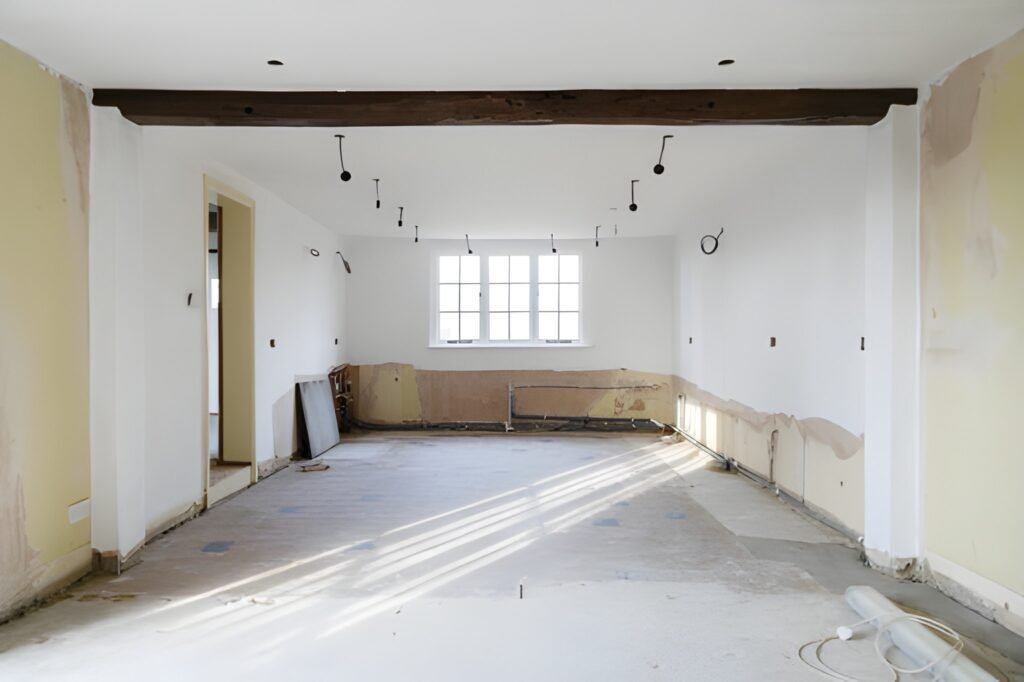
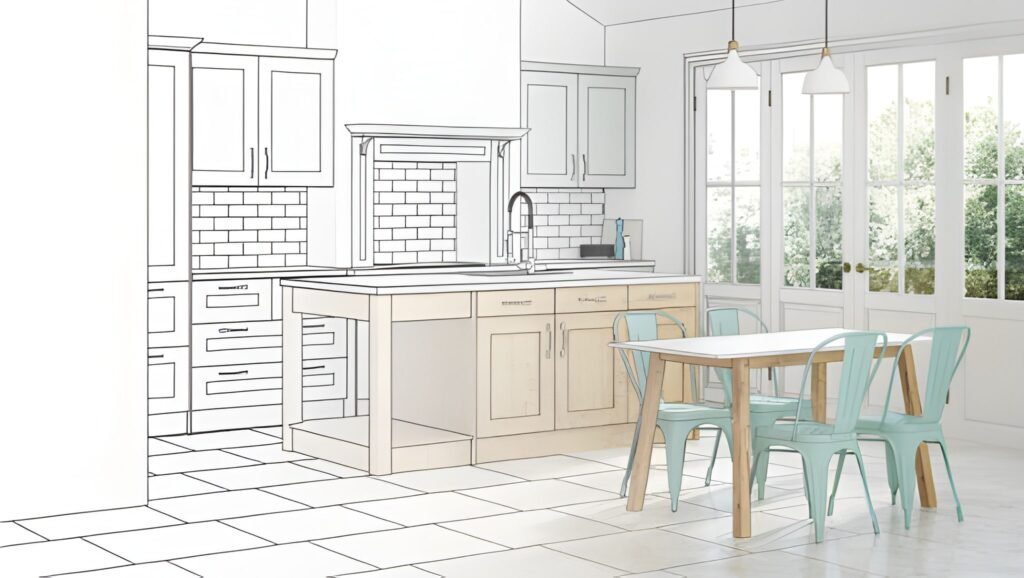
A £30,000 kitchen renovation is characterised by a fundamental change in the room’s layout and performance. The project typically involves structural work, such as removing walls to create an open-plan living space, relocating plumbing and gas lines, and installing new flooring and lighting throughout. The focus shifts from just replacing units and worktops to crafting a cohesive, high-performance environment.
The ideal candidate for this level of investment is a larger family home, perhaps a Victorian terrace with a side return or a 1930s semi with a separate kitchen and dining room that can be knocked through. The existing kitchen is likely outdated, poorly laid out, and inefficient, failing to meet the demands of modern living. The goal is to create a multifunctional space that accommodates cooking, dining, socialising, and family life, all while elevating the overall value of the property.
Strategic Budget Allocation: Where the Money Goes
With £30,000, every pound must be assigned with intention. The budget is less about individual items and more about systems and integration. A strategic allocation might look like this:
| Category | Scope of Work | Allocated Budget | % of Total |
|---|---|---|---|
| Cabinetry & Worktops | Full run of bespoke or high-end customisable units, including larder pull-outs and soft-close mechanisms. Premium stone or solid surface worktops. | £12,000 | 40% |
| Appliances | Integrated, professional-style suite (oven, hob, extractor, dishwasher, fridge/freezer). Possibly a wine cooler or steam oven. | £7,000 | 23% |
| Labour & Installation | Professional fitting, including any structural work, plastering, plumbing, and electrical first and second fixes. | £5,000 | 17% |
| Lighting, Flooring & Tiling | Under-cabinet and feature pendant lighting, high-quality flooring (porcelain tiles or engineered wood), and a full splashback. | £3,000 | 10% |
| Plumbing & Electrics | Relocating sinks, adding new circuits for appliances, installing additional sockets. | £1,500 | 5% |
| Contingency | For unforeseen issues like problematic wiring or uneven walls. | £1,500 | 5% |
| Total | £30,000 | 100% |
This breakdown highlights that the largest single investment is in the cabinetry and worktops—the permanent, visual anchors of the room. The appliance budget is substantial, allowing for performance and integration that surpass standard high-street offerings.
The Core Investment: Cabinetry and Worktops
With £12,000 allocated, you move beyond flat-pack solutions into the realm of customisable or fully bespoke joinery. This does not necessarily mean a hand-made cabinet maker; it often refers to high-quality German or British brands that offer a vast range of sizes, finishes, and internal accessories.
The choice is between a full bespoke service, where every millimetre is tailored, and a premium customisable system. The calculation for a typical kitchen of, for example, 5 linear metres of base and wall units might be:
Cost = (5m \times £1,200) + (5m \times £600) + £3,000 = £6,000 + £3,000 + £3,000 = £12,000
Where base units cost approximately £1,200 per metre, wall units £600 per metre, and the premium stone worktop adds £3,000. This budget allows for intelligent storage solutions like tall larder units, deep pan drawers, and integrated bin systems that maximise functionality.
For worktops, this budget opens the door to materials like quartzite, high-spec quartz, or polished porcelain slabs. These offer the aesthetic appeal of natural stone with greater durability and lower maintenance. A 4cm thick quartz worktop might cost £500 - £700 per linear metre, supplied and fitted, making it a significant but justifiable centrepiece.
The Engine of the Kitchen: Appliances
A £7,000 appliance budget is where performance and aesthetics truly merge. This allows for a cohesive suite from a premium brand, such as Neff, Siemens, or Miele, moving into the entry-level of professional-style brands like Fisher & Paykel or a Rangemaster cooker.
A typical appliance breakdown could be:
- Oven & Steam Oven Combination: £2,000
- Induction Hob: £800
- Downdraft or Chimney Extractor: £1,000
- Integrated Fridge-Freezer: £1,500
- Integrated Dishwasher: £800
- Wine Cooler: £900
The strategic decision here is to invest in an induction hob, which offers rapid, precise heating and is safer and more efficient than gas. The choice of a downdraft extractor, which rises from the worktop, can eliminate the need for an overhead hood, preserving sightlines in an open-plan space.
The Supporting Cast: Lighting, Flooring, and Finishes
The remaining £6,000 transforms the kitchen from a collection of fitted items into a cohesive room. Lighting is paramount. A £3,000 budget for lighting, flooring, and tiling allows for a layered scheme: recessed downlighters for general ambient light, sleek LED strips under wall cabinets for task lighting, and a statement pendant light over a kitchen island.
For flooring, hard-wearing porcelain tiles that mimic wood or stone are a practical and stylish choice, costing around £80 per square metre supplied and fitted. For a 15 square metre kitchen, the cost would be:
Flooring Cost = 15 \times £80 = £1,200
A full-height splashback in a complementary quartz slab or large-format tile adds a touch of luxury and is easy to clean, costing approximately £1,000.
The Return on Investment and Strategic Impact
A well-executed £30,000 kitchen renovation is one of the most reliable ways to add value to a UK home. While it is unlikely you will recoup the full £30,000 upon immediate sale, a premium kitchen is a key driver for buyer interest and can significantly increase the saleability and final achieved price.
Estate agents often estimate that a high-quality kitchen can add between 5-10% to a property’s value. For a £600,000 house, this represents an uplift of:
Value Uplift = £600,000 \times 0.075 = £45,000
This suggests a strong return, effectively paying for the renovation and adding a net gain. More importantly, it makes the property stand out in a competitive market, often leading to a faster sale.
Beyond the financials, the true value lies in the creation of a space that fundamentally improves daily life. The ergonomic flow of a well-designed layout, the pleasure of cooking with high-performance appliances, and the social dynamic of an open-plan family room are intangible benefits that a £30,000 investment can securely deliver. It is the point at which a kitchen ceases to be just a room and becomes the definitive feature of the home.