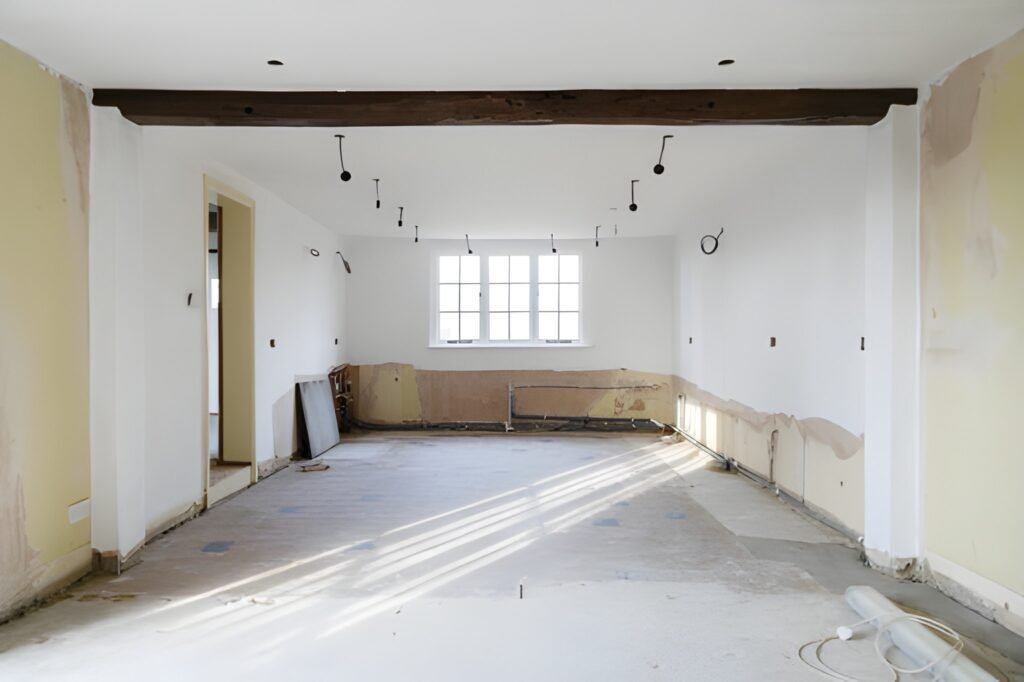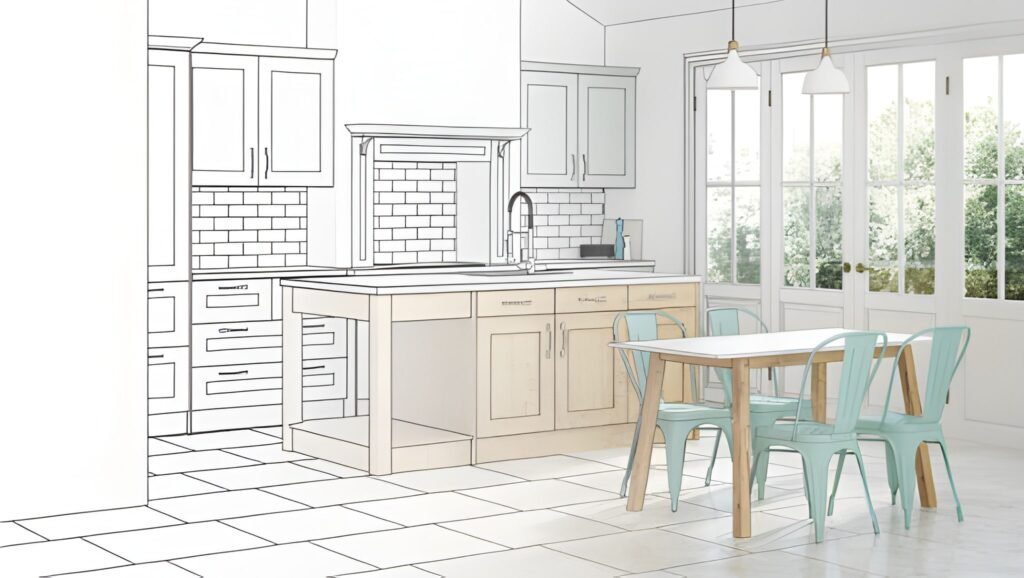
A £20,000 budget for a home renovation is a significant sum that unlocks transformative potential, moving beyond a single room update to a coordinated overhaul of your living space. This level of investment demands a strategic, project-managed approach where every decision is weighed for its return in both lifestyle enhancement and property value. The key to success with a £20,000 budget is not to spread it thinly across the entire house, but to focus on high-impact areas—specifically kitchens and bathrooms—or to undertake a comprehensive modernisation of core systems and finishes throughout a medium-sized property. This is the budget where professional help becomes not just advisable but essential for complex tasks, yet where savvy sourcing and clear priorities can yield a finish that looks and feels far more expensive.
The cornerstone of a successful £20,000 renovation is a disciplined allocation of funds. Unlike a smaller project, this budget allows for a more sophisticated breakdown that includes a robust contingency and professional labour. A strategic model would look something like this:
- Labour & Professional Fees: £7,000 – £9,000 (35-45%)
- Materials & Finishes: £6,000 – £8,000 (30-40%)
- Contingency Fund: £2,000 (10%)
- Project Management & Incidentals: £1,000 – £3,000 (5-15%)
This allocation acknowledges that the quality of installation is as important as the quality of the materials themselves. The contingency fund is not optional; it is your financial buffer against the unforeseen, such as outdated wiring discovered behind walls or a rotten subfloor.
Scenario One: The Kitchen and Whole-House Modernisation
This is the most popular and value-adding strategy for a £20k budget. It involves a complete kitchen transformation while using the remaining funds to uplift the rest of the property cohesively.
For the kitchen, with a budget of approximately £10,000-£12,000, you can step up in quality from a £10k project. This allows for a kitchen from a reputable trade supplier with solid carcasses and stylish, durable doors, such as a shaker style in a modern colour. You can invest in a mid-range quartz composite worktop, a significant upgrade from laminate that immediately elevates the entire space. Your appliance budget can include integrated models from reliable brands like Bosch or Neff, and you might even incorporate a boiling water tap or a more powerful induction hob. A professional fitter, plumber, and electrician will ensure a flawless finish.
With the remaining £8,000-£10,000, you can orchestrate a whole-house refresh. This involves:
- Re-decoration: Painting all walls, ceilings, and woodwork throughout in a modern, neutral palette. This is the single most cost-effective improvement.
- Flooring: Replacing worn carpets and dated flooring with consistent, high-quality Luxury Vinyl Tile (LVT) or carpet in all living areas and hallways. This creates a seamless, modern flow.
- Lighting: Updating all light fixtures and switches to modern LED downlights or stylish pendants.
- Bathroom Refresh: Instead of a full suite replacement, you can retrofit a bathroom by replacing the toilet seat, taps, mirror, and adding new tiling or paneling to the walls. A new vanity unit can modernise the space without the cost of moving plumbing.
- Front Door: Replacing a tired front door with a modern, secure, and well-insulated model boosts curb appeal and security.
Scenario Two: The Principal Suite and Bathroom Creation
For homeowners who prioritise personal sanctuary, £20,000 can transform a main bedroom and its en-suite into a hotel-style retreat. This involves reconfiguring space, perhaps by incorporating a spare bedroom, to create a walk-in wardrobe or a larger en-suite bathroom. Here, the budget allocation shifts significantly. A full, high-quality bathroom suite with underfloor heating, a large walk-in shower, and quality tiles can easily consume £8,000-£12,000 once plumbing and tiling labour is included. The remaining funds would be dedicated to building new stud walls, installing bespoke or flat-pack wardrobes, and creating a feature wall in the bedroom with high-end wallpaper and upgraded lighting. This project is less about direct financial return and more about maximising personal enjoyment and the premium feel of the home.
The Critical Path: Sourcing, Labour, and Management
With a £20k budget, your approach to sourcing and labour must be professional. For materials, mix trade-only suppliers for core items like kitchens and bathrooms with retail sales for appliances and finishes. Never buy appliances from your kitchen supplier without comparing prices online first; the savings can be hundreds of pounds. Invest in key items that you touch and feel every day: high-quality taps, door handles, and a solid front door. These “touch points” disproportionately influence the perception of quality.
Obtaining multiple, itemised quotes from tradespeople is essential. A good quote will detail labour, materials, and waste disposal separately. For a project of this scale, you are likely hiring a general builder who will manage the plumber and electrician. Ensure they are all qualified and provide certifications for any new electrical or gas work. Your role as project manager involves being on-site daily to make decisions, but a good builder will coordinate the sequence of work—stripping out, first fix electrics and plumbing, plastering, then second fix and decoration.
A £20,000 renovation, when focused and professionally executed, is one of the most effective ways to dramatically increase both the functionality and the market value of your home. It is the sweet spot where strategic investment, quality materials, and skilled craftsmanship converge to create a space that is not only beautiful and tailored to your life but also a robust and intelligent financial investment.