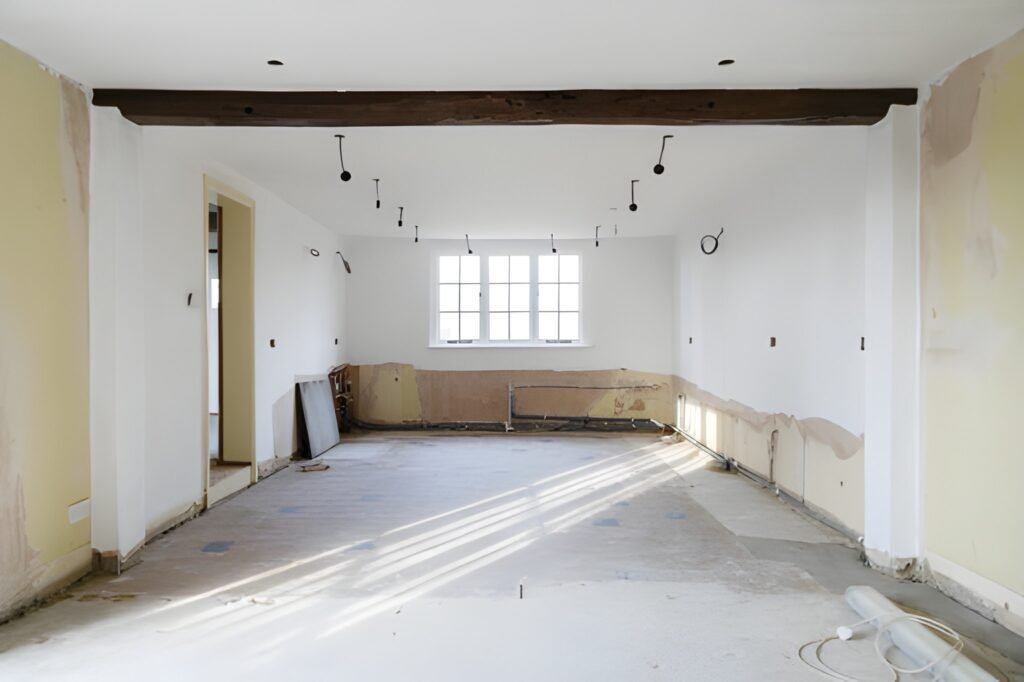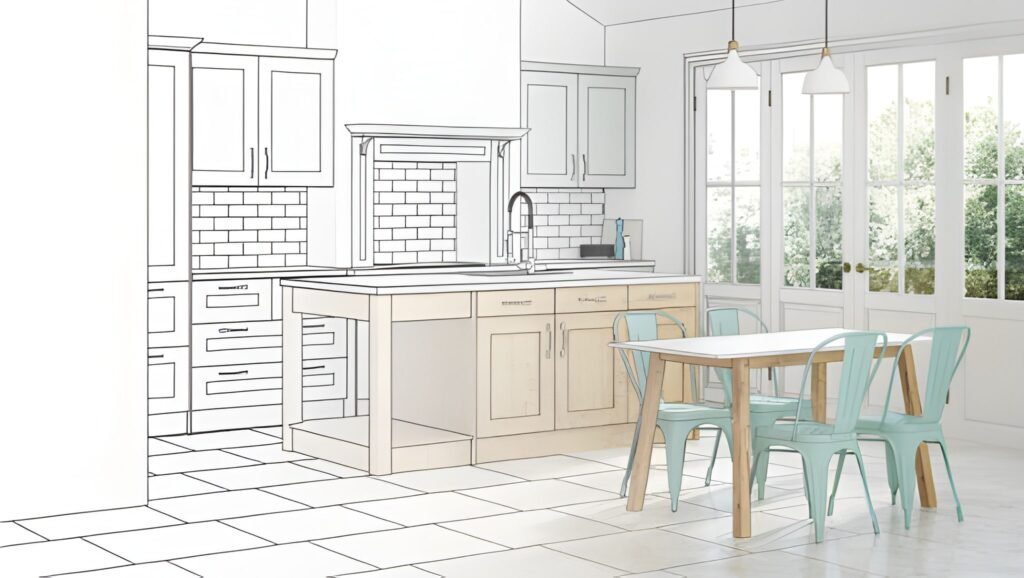
Embarking on do-it-yourself home renovation projects can be a profoundly rewarding endeavor, blending the satisfaction of hands-on work with tangible improvements to your living environment. Successful DIY requires a balance of ambition and pragmatism, focusing on tasks that leverage skill-building over specialized trade work. These ten ideas are curated to offer significant visual or functional impact while remaining within the reach of a motivated homeowner with standard tools and a methodical approach.
1. The Strategic Open-Plan Conversion
The Project: Removing a non-load-bearing wall to merge a separate kitchen and dining room, or a living room and hallway, into a single, cohesive space.
The Impact: This is arguably the most transformative DIY structural project. It instantly modernizes a home’s layout, creating a sense of spaciousness and improving light flow. The open-plan area becomes a natural hub for family life and entertaining.
Key Considerations: Identifying a non-load-bearing wall is the critical first step. Consult structural drawings or an engineer if there is any doubt. Once confirmed, the process involves careful demolition, patching the ceiling and floor, and likely relocating electrical outlets or switches. The finish work—skimming plaster and laying consistent flooring—is what makes the project look professional.
2. The Bespoke Floating Shelving System
The Project: Designing and building a wall of floating shelves from solid wood or high-quality plywood.
The Impact: Floating shelves provide elegant, customizable storage and display space without the visual bulk of a bookcase. They can transform a blank wall into a focal point, perfect for a living room, home office, or alongside a fireplace.
Key Considerations: The illusion of “floating” is created by a hidden internal bracket system. This requires precision drilling and a strong understanding of how to securely fix into wall studs. The craftsmanship lies in the finishing: filling imperfections, sanding to a glass-like smoothness, and applying a professional-grade paint or oil finish.
3. The Modern Board-and-Batten Accent Wall
The Project: Applying vertical wood battens (strips) over a painted wall in a geometric or full-wall pattern.
The Impact: This technique adds architectural depth, texture, and character to a plain room. It’s a cost-effective way to create a high-end, custom look in a bedroom, dining room, or entryway.
Key Considerations: Success is in the planning. Use a laser level to mark out the entire pattern on the wall before cutting any wood. Prime and paint the battens before installation for a cleaner finish. Secure them with a strong construction adhesive and finishing nails, then fill the nail holes before a final coat of paint.
4. The Integrated Home Office Nook
The Project: Building a custom desk and shelving unit into an underutilized alcove, closet, or corner.
The Impact: It creates a dedicated, organized workspace that feels like a permanent part of the home, eliminating the need for a bulky, freestanding desk. This is ideal for maximizing space in smaller homes or apartments.
Key Considerations: The design should prioritize cable management with hidden grommets or channels. Use a sturdy material for the desktop, like a butcher block countertop or two layers of plywood laminated together. Ensure the height and depth are ergonomically sound for comfortable use.
5. The Kitchen Cabinet Facelift
The Project: Completely refreshing kitchen cabinets by painting them, replacing the doors, and installing new hardware.
The Impact: This can modernize a dated kitchen for a fraction of the cost of a full replacement. The combination of new shaker-style doors, a modern paint color (e.g., a deep blue or sage green), and brushed brass or matte black handles can be transformative.
Key Considerations: Proper preparation is 90% of the work. This involves a thorough cleaning, degreasing, sanding, and application of a high-adhesion primer. Using an enamel paint designed for cabinets is essential for a durable, wipeable finish.
6. The Porcelain Tile Floor Installation
The Project: Removing old flooring and installing new, large-format porcelain tiles in a entryway, kitchen, or bathroom.
The Impact: Porcelain tile is incredibly durable, waterproof, and easy to clean. A new floor provides a clean, modern foundation that ties a room together.
Key Considerations: This is a physically demanding project that requires precision. The subfloor must be perfectly flat and stable. Using a tile leveling system (TLS) is highly recommended for amateur tilers to achieve a perfectly flat surface with no lippage. Careful planning of the tile layout is essential to avoid awkward, small cuts at visible points.
7. The Walk-in Pantry or Larder Conversion
The Project: Converting a deep, underused closet or a section of a garage wall into a functional walk-in pantry with custom shelving.
The Impact: It revolutionizes kitchen storage, reducing countertop clutter and providing a highly organized space for dry goods, small appliances, and bulk items.
Key Considerations: Design the shelving with varying depths and heights to accommodate different items. Incorporate pull-out shelves or baskets for deep cabinets to improve accessibility. Good lighting, such as a motion-activated LED strip, is a crucial finishing touch.
8. The Smart Home Lighting Upgrade
The Project: Replacing standard light switches with smart switches and installing smart bulbs and plugs to create a fully automated lighting system.
The Impact: This adds convenience, security, and energy efficiency. You can create lighting schedules, control lights remotely, and set scenes for different activities (e.g., “Movie Night” dims all lights).
Key Considerations: Safety First. Always turn off the power at the circuit breaker before working on any electrical fixture. Most smart switches require a neutral wire, which may not be present in older homes. This project is best for those comfortable with basic electrical work.
9. The Deck or Patio Resurfacing
The Project: Replacing worn-out decking boards with modern composite decking or laying a new patio with porcelain pavers over a stable base.
The Impact: It instantly renews your outdoor living area, creating an inviting space for relaxation and entertainment. Composite materials offer a long-lasting, low-maintenance alternative to wood.
Key Considerations: For a deck, ensure the underlying frame (joists) is structurally sound. For a patio, a properly compacted sub-base of MOT Type 1 gravel is essential to prevent settling and cracking. This is a physically intensive project but highly achievable with careful planning.
10. The Basement or Under-Stairs Mudroom
The Project: Building a dedicated “drop zone” in a basement entrance or under a staircase with cubbies, coat hooks, and a bench for shoes.
The Impact: It contains the chaos of outdoor gear, bags, and shoes, preventing them from spreading through the house. This is a functional upgrade that dramatically improves daily organization.
Key Considerations: Use durable, easy-to-clean materials. Incorporate a boot tray under the bench and consider individual cubbies for each family member. Ample overhead lighting makes the space functional even in a dark basement.
The unifying principle of these DIY renovations is the power of thoughtful preparation. The time invested in research, measuring, and gathering the right tools is always repaid in the quality of the final result. By starting with a clear plan and respecting your own skill level, you can execute projects that not only enhance your home’s value but also provide the deep satisfaction of having built it yourself.