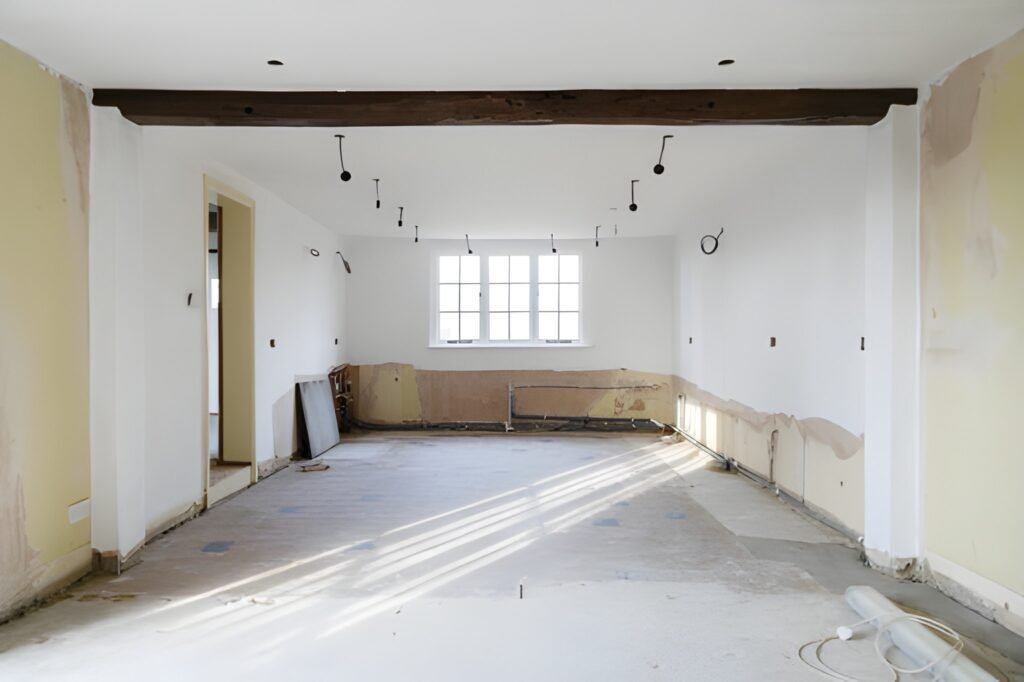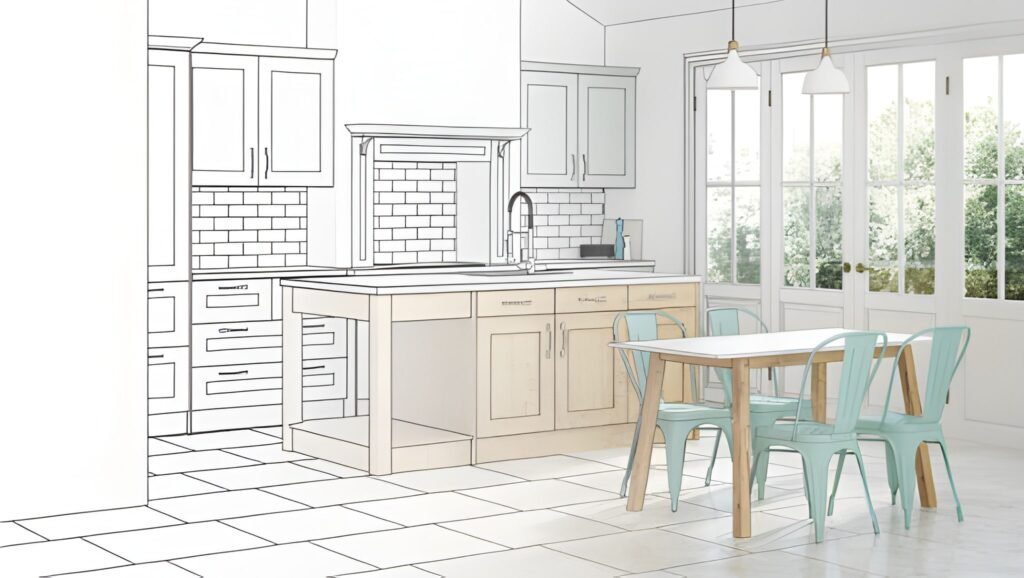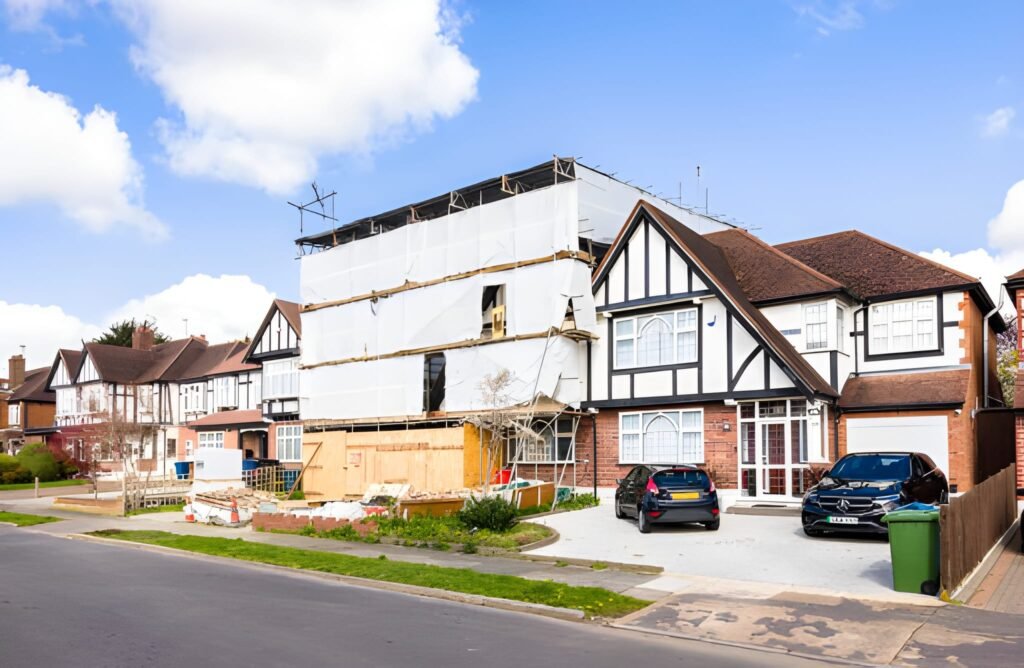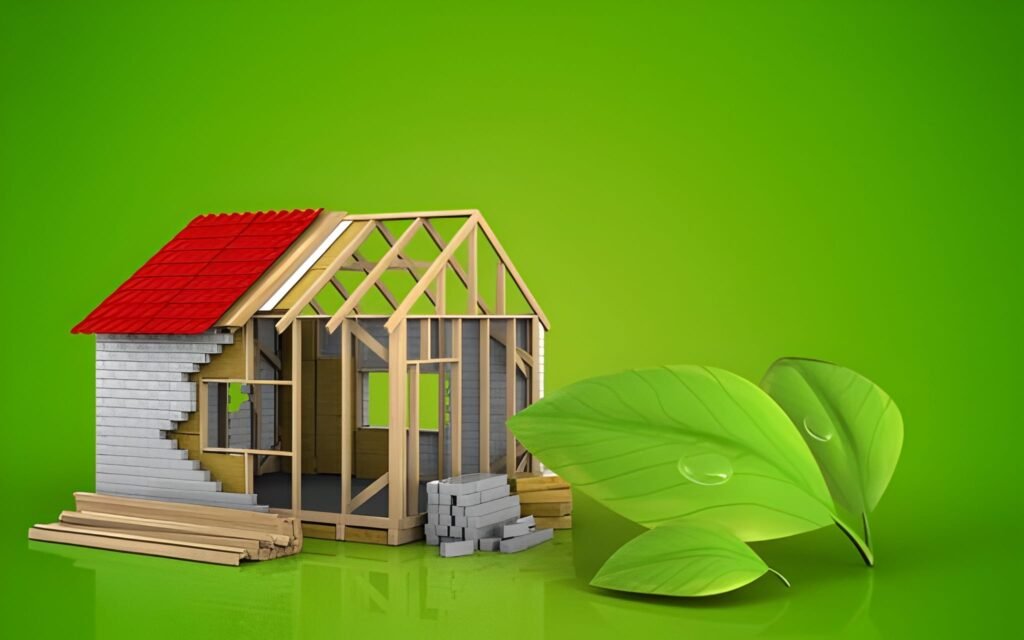
Renovating a home with a focus on ecological integrity and energy performance requires a fundamental shift in approach. It moves beyond swapping finishes to a holistic process that treats the building as an interactive system. This methodology, often termed a “whole-house” or “fabric-first” approach, prioritizes the building’s envelope and passive design principles before considering mechanical systems. The following ten steps provide a structured pathway to a renovation that delivers profound comfort, resilience, and a minimal environmental footprint.
1. The Pre-Renovation Audit: Establishing the Baseline
Before any design work begins, you must understand the starting point. This involves a dual-focus assessment.
- Energy & Performance Audit: Engage a certified professional to conduct a detailed energy audit, often involving a blower door test to quantify air leakage. This provides a scientific baseline for the home’s current performance, identifying the most significant sources of heat loss and inefficiency.
- Material & Moisture Assessment: A building survey should identify existing materials, the presence of hazardous substances like asbestos, and any underlying moisture problems or structural defects. Remediating these issues is the non-negotiable first step for a healthy, durable renovation.
2. The “Fabric First” Design Philosophy: Prioritizing the Passive Shell
The core principle of green renovation is to maximize the performance of the building’s envelope—its roof, walls, floors, windows, and doors. This reduces the need for active heating and cooling systems.
- Super-Insulation: Specify insulation levels that far exceed local building regulations. Aim for high-performance materials with low embodied carbon, such as wood fibre, hemp, or cellulose, which also manage moisture vapour effectively.
- Airtightness Strategy: Design for exceptional airtightness to prevent uncontrolled heat loss and drafts. This requires a continuous airtightness layer around the entire thermal envelope, detailed at all junctions and penetrations.
3. Embrace Passive Solar Principles: Working with the Sun
Orient the renovation design to harness free energy from the sun.
- Solar Gain: Maximize south-facing glazing (in the northern hemisphere) to capture low-angle winter sun for natural heating.
- Solar Shading: Incorporate fixed or adjustable shading—such as eaves, brise-soleil, or shutters—to block high-angle summer sun and prevent overheating.
- Thermal Mass: Integrate materials with high thermal mass (e.g., exposed concrete floors, stone, or clay plaster) within the insulated envelope. These materials absorb heat during the day and release it at night, stabilizing indoor temperatures.
4. Specify for Health and Circularity: Materials Matter
The sustainability of a home is also defined by the resources consumed in its renovation.
- Material Health: Choose paints, adhesives, sealants, and finishes with zero or low Volatile Organic Compounds (VOCs) to ensure high indoor air quality.
- Circular Economy: Prioritize salvaged, reclaimed, and recycled-content materials. Select new products based on durability, reparability, and the use of rapidly renewable (e.g., bamboo) or FSC/PEFC-certified wood.
5. Integrate High-Performance Windows and Doors
Windows are the weak link in the thermal envelope. The investment here is critical.
- Performance Metrics: Select windows based on their U-value (insulating ability), Solar Heat Gain Coefficient (SHGC), and air infiltration rating. Triple-glazed windows are often the standard for a deep green retrofit.
- Installation is Key: Even the best window will underperform if installed poorly. They must be meticulously integrated into the airtightness and weather-resistive layers of the wall.
6. Design a Balanced Ventilation System with Heat Recovery
An airtight home requires mechanical ventilation to ensure fresh air and prevent moisture buildup.
- Mechanical Ventilation with Heat Recovery (MVHR): This system extracts stale, moist air from wet rooms and supplies fresh, filtered air to living and sleeping areas. A heat exchanger transfers over 90% of the heat from the exhaust air to the incoming fresh air. The equation for efficiency is simple: fresh air without the energy penalty.
7. Electrify and Decarbonize the Services
The future of home energy is all-electric, powered by renewables.
- Heat Pump Technology: Replace gas or oil boilers with an air-source or ground-source heat pump for space heating and domestic hot water. Heat pumps are vastly more efficient, delivering 3-4 units of heat for every 1 unit of electricity consumed.
- Efficient Appliances and Lighting: Specify only A+++ rated appliances and exclusive use of LED lighting to minimize the electrical load.
8. Incorporate On-Site Renewable Energy Generation
Once the home’s energy demand has been radically reduced through Steps 2-7, it becomes feasible to meet a significant portion of that demand on-site.
- Solar Photovoltaics (PV): A rooftop solar array is the most common solution. The system can be sized to cover the home’s annual electricity consumption, potentially making it a “net-zero” home.
- Calculation for Sizing: A simplified estimate: \text{System Size (kWp)} = \frac{\text{Annual Electricity Demand (kWh)}}{\text{Local Annual Solar Yield (kWh/kWp)}}.
9. Implement Intelligent Water Management
A green home manages water as a precious resource.
- Rainwater Harvesting: Collect rainwater from the roof for garden irrigation and, with proper filtration, for toilet flushing.
- Water Efficiency: Install ultra-low-flow showerheads, faucet aerators, and dual-flush toilets to dramatically reduce potable water consumption.
- Greywater Systems: Consider systems to reuse water from showers and sinks for subsurface irrigation.
10. Commission, Monitor, and Maintain
A green renovation is not complete when the builders leave.
- Professional Commissioning: Ensure all systems—especially the MVHR, heat pump, and renewable energy systems—are professionally commissioned to operate at their designed efficiency.
- Monitoring: Install an energy monitoring system to track electricity generation and consumption in real-time. This data is essential for understanding the home’s performance and identifying any issues.
- User Manual: Create a comprehensive homeowner’s manual that explains how all the systems work and how to maintain them for optimal performance over the building’s lifespan.
This ten-step process creates a virtuous cycle: a superior building envelope reduces the size and cost of the mechanical systems needed, which in turn reduces the size and cost of the required renewable energy system. The result is a home that is not just less bad, but actively good—a resilient, healthy, and efficient asset prepared for the challenges of the future.