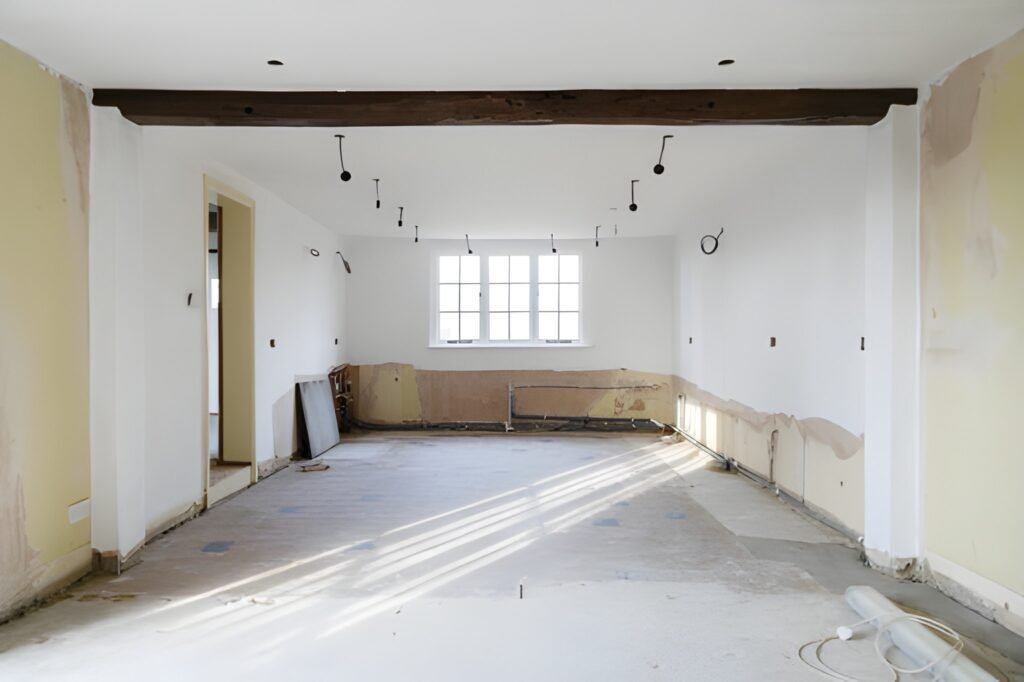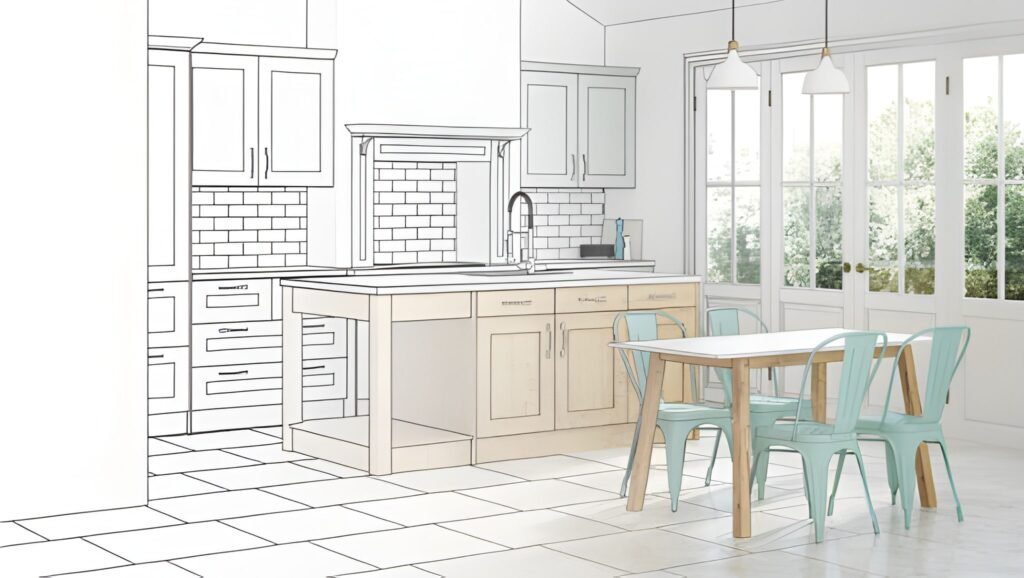
The concept of purchasing a home in Italy for a single euro is a powerful and alluring fantasy, promising a slice of la dolce vita for the price of a coffee. However, this symbolic price tag is merely the entry fee to a complex, challenging, and often costly journey of restoration. These properties, typically located in small, depopulated towns across regions like Sicily, Abruzzo, Calabria, and Molise, are not move-in ready homes; they are abandoned shells, sold by municipalities in a last-ditch effort to reverse rural decline. The “1 euro” headline is a marketing tool to attract investment, and the true cost—financial, temporal, and emotional—is found in the meticulous and mandatory renovation that follows. Success in this venture requires the mindset of a project manager and a preservationist, not just a holiday-home dreamer.
The Pre-Purchase Protocol: Unpacking the Contractual Obligations
Before you even consider the renovation, you must understand the legal framework binding you to it.
The purchase contract is far from a standard property transaction. It is a legally binding agreement with the Comune (municipality) that contains strict, non-negotiable clauses designed to ensure you follow through on your promise to restore the property. The key stipulations almost always include:
- A Renovation Deposit: You will be required to pay a substantial refundable deposit, typically between €5,000 and €10,000, into an escrow account. This sum is only returned upon the successful completion of the renovation as verified by the council.
- A Strict Renovation Timeline: The contract will specify a rigid deadline for completing the works, often between one to three years. Failure to meet this deadline can result in the forfeiture of your deposit and, in some cases, the revocation of the property title.
- Mandatory Architectural Plans: You cannot simply hire a local builder and start work. You must present a full set of architectural and engineering plans (progetto) drafted by a qualified professional (geometra, architetto, or ingegnere) to the council for approval before a single brick is laid.
The Real Cost of Renovation: The €30,000 – €100,000+ Reality
The “1 euro” price is a deceptive facade. The true investment is in the restoration, with costs varying wildly based on the property’s size, condition, and location.
A realistic budget for a basic, small stone house (casa piccola) would start at a minimum of €30,000. A more typical two-story house requiring a new roof, plumbing, and wiring can easily cost €60,000 to €100,000+. This budget must account for:
- Professional Fees: Your geometra will manage the bureaucratic process, from obtaining permits to liaising with the Comune. Their fees typically range from 5-15% of the total project cost.
- Materials and Labour: The cost of materials (stone, timber, tiles) and skilled labour (masons, plumbers, electricians) is significant. Labourers in these regions may charge less than in northern Italy, but they are often in high demand due to the influx of new projects.
- Structural Work: Many 1 euro houses are on the verge of collapse. The most expensive and critical work often involves:
- A New Roof (Tetto): €15,000 - €40,000+
- Repointing Stone Walls (Risanamento Murature): €10,000 - €25,000+
- New Plumbing and Electrical Systems: €8,000 - €20,000+ (rewiring and replumbing from scratch)
- Unexpected Issues: A contingency fund of at least 15-20% is non-negotiable. You will inevitably discover rotten beams, unstable sections of wall, or other hidden problems once work begins.
The Bureaucratic Labyrinth: Navigating Italian Red Tape
The renovation process is governed by a slow and complex bureaucratic system that requires local expertise. Your geometra is your most important ally. They will navigate:
- Permits and Permissions: Applying for the necessary building permits (permesso di costruire or SCIA).
- Historical and Structural Compliance: If the property is in a historic center (centro storico), there will be strict regulations governing the external appearance (window styles, door types, paint colours) to maintain the town’s architectural integrity.
- Utility Connections: Arranging for the connection of water, electricity, and gas to the property, which can be a lengthy process.
A Strategic Path Forward
The 1 euro house project is not for the faint-hearted or those with limited savings. It is a labour of love and a significant financial investment that often exceeds the property’s final market value. The reward is not a financial windfall, but the profound satisfaction of breathing life back into a forgotten piece of history and integrating into a tight-knit Italian community.
Before committing, you must:
- Visit the Town Multiple Times: Spend time there off-season. Talk to locals and other expats who have undertaken similar projects.
- Secure a Trusted Local Professional: Your geometra is the key to the entire process. Find one through verified recommendations.
- Secure Financing: Assume you will need significant cash reserves. Mortgages for 1 euro houses are virtually nonexistent.
- Manage Your Expectations: Prepare for delays, budget overruns, and immense logistical challenges.
The 1 euro house is a beautiful, ambitious dream, but it is one built not on a single coin, but on a foundation of tens of thousands of euros, immense patience, and unwavering dedication. It is a path to a home, not a bargain.