The concept of a “0% tax” claim when renovating an old property is a powerful but often misunderstood incentive. In the UK, there is no single, universal tax break that makes all renovation costs tax-free. Instead, the strategy for minimising your tax liability is built on leveraging two key, targeted reliefs: the VAT Refund for DIY Housebuilders and the Capital Gains Tax Principal Private Residence relief. Understanding the distinction between these—one relating to purchase/construction costs and the other to eventual sale profits—is fundamental to a tax-efficient renovation strategy.
The 5% VAT Relief on Renovating a Dilapidated Dwelling
This is the closest the UK system comes to a direct “zero tax” incentive for renovation, but it applies under very specific conditions. The standard rule is that the sale of a renovated property is exempt from VAT, meaning you cannot reclaim the VAT you pay on materials and contractor labour. However, a significant exception exists.
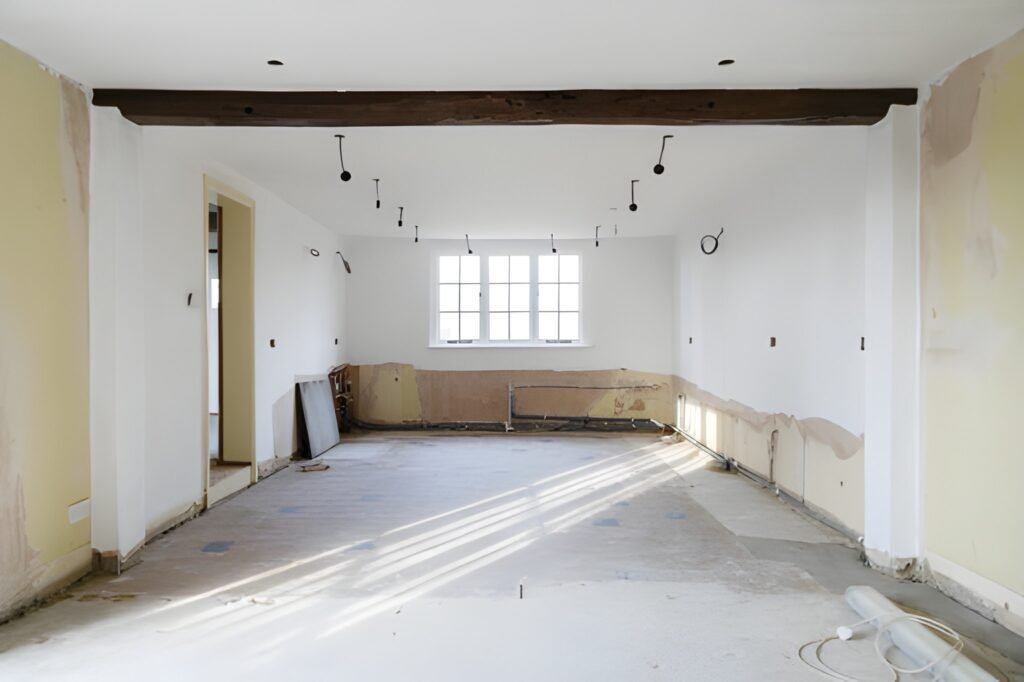
If you purchase a dwelling that has been unoccupied for 10 years or more, you can choose to apply the 5% VAT reduced rate to the cost of the renovation and conversion. This is a dramatic reduction from the standard 20% VAT rate.
How it Works:
A “dilapidated” property for this purpose is legally defined as one that has not been lived in for a decade and is not suitable for use as a dwelling in its current state. When you hire a contractor to undertake the qualifying renovation work, they must charge VAT at the 5% rate instead of 20%. This applies to the labour and materials they supply.
Example Calculation:
A renovation project with a total cost (labour and materials) of £80,000.
- At Standard 20% VAT: VAT would be £80,000 x 0.20 = £16,000
- At Reduced 5% VAT: VAT is £80,000 x 0.05 = £4,000
This results in a direct saving of £12,000 on the project’s VAT bill. It is crucial to obtain a certificate from your local authority confirming the property’s 10-year vacant status to provide to your contractor.
The VAT Refund Scheme for DIY Housebuilders and Converters
This is a separate scheme that can result in a cash refund of VAT paid. It is primarily designed for individuals who are:
- Building a new house from scratch.
- Converting a non-residential building (e.g., a barn, church, or office) into a dwelling.
If you are converting a non-residential property into a home, you can reclaim the VAT you pay on most building materials and services at the standard 20% rate. You cannot reclaim VAT on professional services like architects or surveyors, nor on fitted furniture and appliances. The claim is made to HMRC after the work is complete and you have received a completion certificate from building control.
Navigating Income Tax and Capital Gains Tax (CGT)
This is where the strategy for a “zero tax” outcome on the profit becomes critical, and it hinges on your intent for the property.
1. The Principal Private Residence (PPR) Relief: The Ultimate Tax Exemption
If you are renovating a property to be your main residence, the most powerful tax relief available is PPR. This relief makes any capital gain you make when you eventually sell the property completely free of Capital Gains Tax, provided it has been your only or main home throughout your period of ownership.
The renovation costs themselves are not directly deductible from your income tax. However, they are added to the property’s base cost for CGT purposes. This reduces the taxable gain when you sell.
Calculation of Taxable Gain:
Taxable Gain = Sale Price – (Purchase Price + Qualifying Improvement Costs)
If the property qualifies for full PPR relief because it was your main home, this taxable gain is reduced to zero. Qualifying costs include significant, permanent improvements like a kitchen or bathroom renovation, a full rewire, or an extension. They do not include routine repairs and maintenance like repainting.
2. The Buy-to-Let or Property Flipping Scenario: No “Zero Tax”
If you are renovating a property with the intention of renting it out (a buy-to-let) or selling it immediately (trading), the tax treatment is entirely different.
- For a Buy-to-Let: You cannot deduct the capital cost of the renovation (e.g., a new kitchen) from your rental income. These are considered capital improvements and are added to the property’s base cost to reduce the future CGT bill upon sale. You can only deduct costs for repairs and maintenance that restore the property to its original condition.
- For a Property Trader: If HMRC determines your activity amounts to a trade, the entire profit (Sale Price – Purchase Price – Renovation Costs) could be subject to Income Tax and National Insurance, not CGT. This can result in a much higher tax rate, up to 45% for additional-rate taxpayers.
Strategic Summary
To achieve a “zero tax” outcome on an old property renovation:
- For VAT: Target a property that has been vacant for 10+ years to benefit from the 5% VAT rate on renovation work.
- For the Sale Profit: Renovate the property to be your main family home. Live in it as your principal private residence to benefit from full CGT relief upon sale, effectively making the profit tax-free.
There is no magic wand that removes all tax obligations from property renovation. The path to a zero-tax liability is a deliberate one, built on selecting the right property, applying the correct VAT status, and, most importantly, utilising the property as your own home to unlock the powerful exemption of Principal Private Residence relief. Professional advice from an accountant specialising in property is essential to navigate these rules correctly and ensure your renovation is as tax-efficient as possible.