A custom bathroom renovation transcends the simple replacement of fixtures and tiles. It is a deliberate, holistic process of designing and constructing a space that is uniquely tailored to your lifestyle, aesthetic preferences, and physical comfort. This is the difference between buying off-the-rack and commissioning a bespoke suit; every element, from the layout of the plumbing to the profile of the cabinetry, is considered and intentionally chosen. A custom renovation addresses not just how the bathroom looks, but how it functions, how it feels, and how it serves as a private sanctuary for years to come. This journey requires a collaborative partnership with skilled designers and tradespeople to transform a vision into a built reality that enhances both daily life and property value.
The Foundational Phase: Discovery and Design
The process begins not with demolition, but with a deep exploration of needs and desires. This phase is the most critical, as it sets the blueprint for everything that follows.
A professional designer will guide you through a series of questions to establish a detailed brief: Who uses the bathroom? Is it a master ensuite for two people requiring dual vanities, or a family bathroom that needs durable, easy-clean surfaces? What are your storage needs for linens, toiletries, and cleaning supplies? What is the desired ambiance—a bright, invigorating space for morning routines or a dimly lit, spa-like retreat for evening soaks? This is also the stage for establishing a realistic budget, which for a fully custom, high-quality bathroom renovation typically starts at a minimum of £15,000 and can easily extend to £40,000 or more, depending on the level of bespoke work and luxury materials.
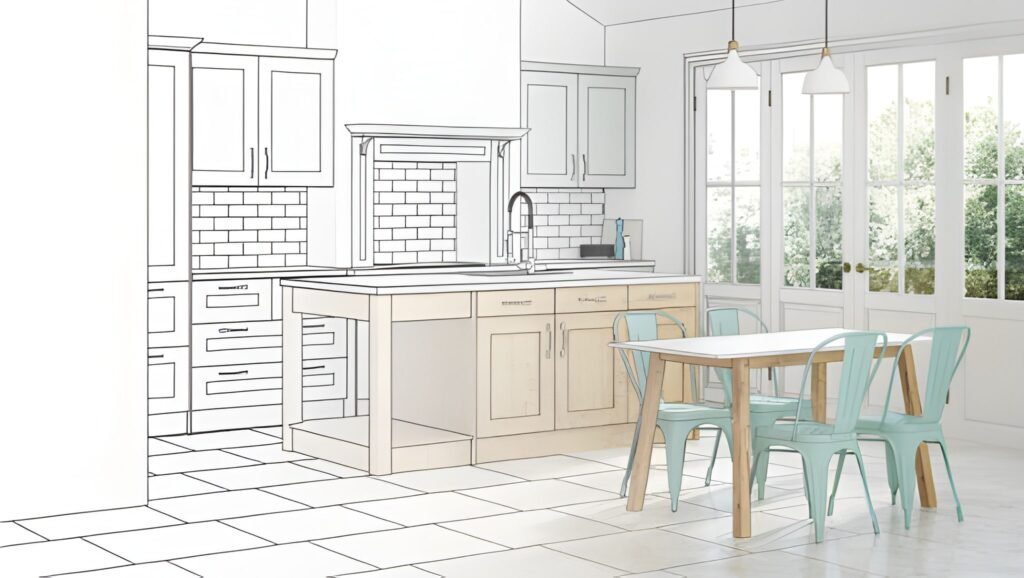
Following the brief, the designer creates a conceptual plan. This often involves reimagining the entire layout. Customization means you are not bound by the existing plumbing locations. Perhaps the toilet can be moved to a more discreet alcove, or the shower can be repositioned to become a dramatic wet-room-style centerpiece. The designer will produce detailed floor plans, elevations, and 3D renderings, allowing you to walk through the virtual space before a single wall is touched. This is also when technical considerations are addressed, such as optimizing ventilation, incorporating underfloor heating, and planning a layered lighting scheme with ambient, task, and accent zones.
The Hallmarks of a Custom Renovation
What truly distinguishes a custom bathroom from a standard update are the following elements:
1. Bespoke Joinery and Vanity Units
Instead of a stock vanity, a custom solution is designed and built for your exact space and needs. This could be a floating vanity with integrated laundry hampers, a makeup station with dedicated lighting and power outlets, or a full-height unit that cleverly conceals unsightly pipework. The materials—whether stained oak, painted timber, or high-gloss lacquer—are selected to match the overall design theme perfectly.
2. Material Selection and Craftsmanship
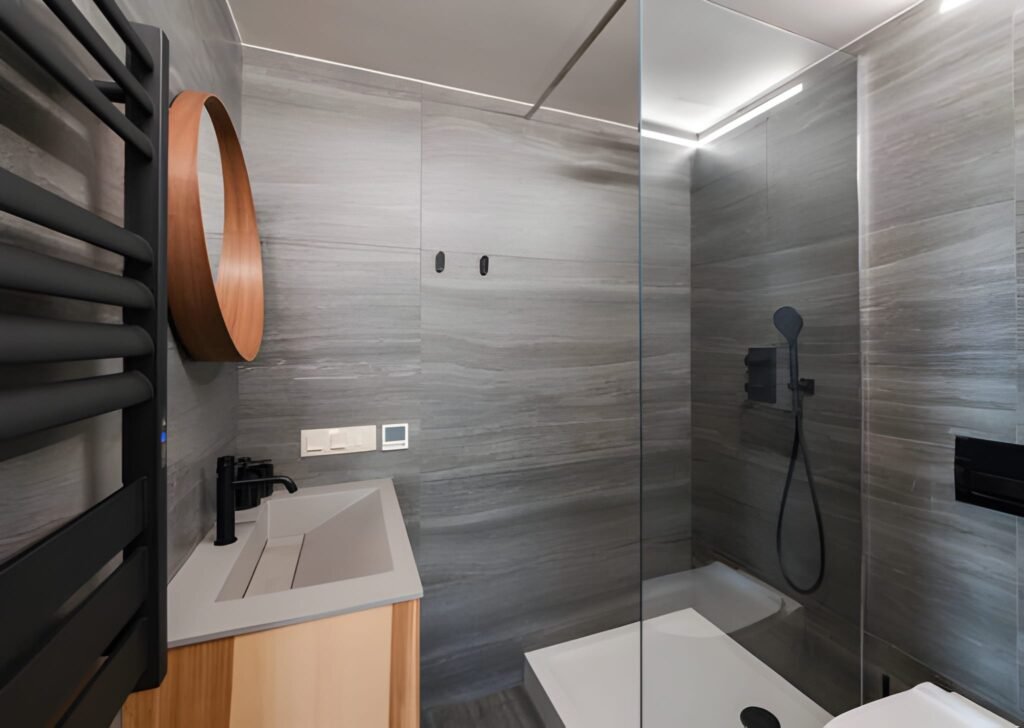
A custom renovation allows for the use of unique, high-performance materials. This includes large-format porcelain slabs for a seamless, minimalist look on walls and floors, natural stone like marble or travertine for its organic beauty, or custom-cut mosaic patterns. The installation of these materials is executed by skilled tilers and stone masons whose craftsmanship is as important as the materials themselves.
3. The Curbless Shower and Wet Room
A hallmark of luxury and accessibility, the curbless shower creates a sleek, open look and eliminates a tripping hazard. This requires precise sloping of the floor (a “tanked” or waterproofed substrate) to a linear drain, a detail that demands expert installation. This can be expanded into a full wet room, where the entire bathroom floor is waterproofed and gently sloped, creating a truly open and spacious feel.
4. Professional Plumbing and Electrical Integration
Customization extends to the fixtures and technology. This means selecting high-performance fittings, such as a thermostatic shower valve with multiple body jets and a ceiling-mounted rain head, all requiring precise plumbing rough-in. Electrically, it involves installing in-ceiling speakers, smart lighting that can be programmed for different moods, and heated towel rails on their own timer.
The Execution: A Phased and Managed Process
A project of this complexity requires meticulous management.
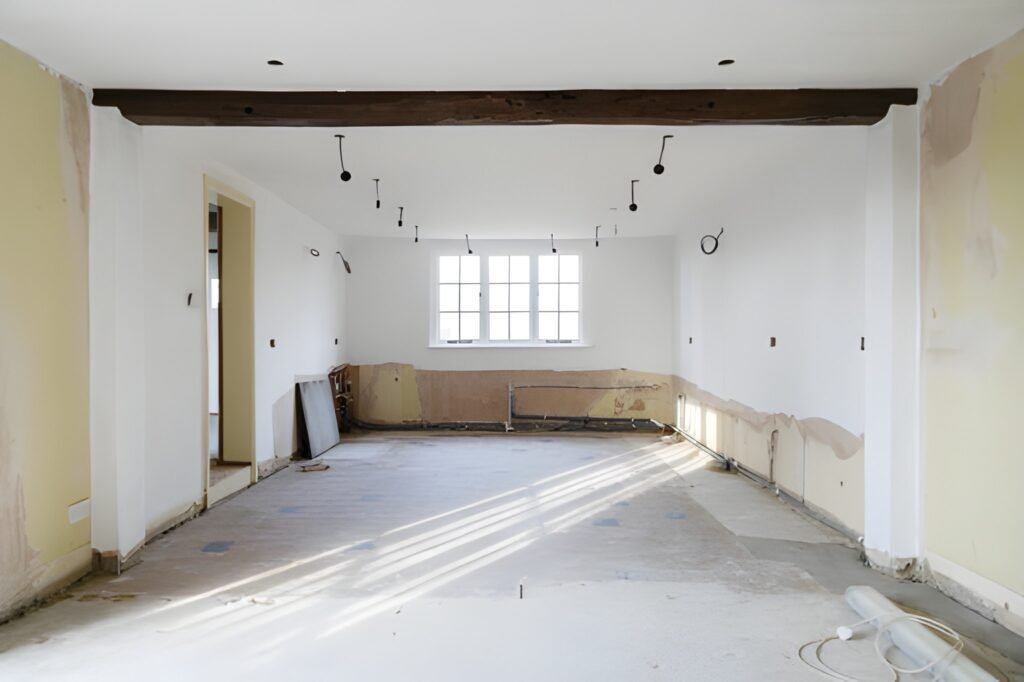
- Demolition and Rough-In: The space is stripped back to the studs and subfloor. This allows for a thorough inspection and upgrading of any hidden plumbing or electrical systems.
- Waterproofing and Structural Changes: Any new walls are framed, and the critical step of waterproofing (or “tanking”) all wet areas is completed to prevent future leaks and damage.
- First Fix: The plumber and electrician install all the pipes, wires, and in-wall components according to the new plan.
- Plastering and Floor Screeding: Walls are plastered to a smooth finish, and the underfloor heating system is laid and covered with a level screed.
- Tiling and Second Fix: The tiles or stone are installed, followed by the fitting of the vanity, toilet, bath, and final electrical fixtures like lights and switches.
- Painting and Final Touches: The room is painted, mirrors are hung, and all elements are meticulously checked.
The Strategic Investment
A custom bathroom renovation is a significant financial undertaking, but it is an investment that pays dual dividends. Firstly, it dramatically enhances your daily quality of life, providing a personal retreat that is both beautiful and perfectly functional. Secondly, a well-executed, high-quality bathroom is one of the top value-adding renovations you can make to a property, often yielding a strong return on investment by elevating the entire home’s appeal.
Ultimately, a custom bathroom renovation is a creative and technical collaboration. It is an opportunity to discard compromise and create a space that is a true reflection of personal style and an investment in long-term comfort and well-being. It results in a room that is not just a utility, but a destination—a crafted sanctuary within your own home.