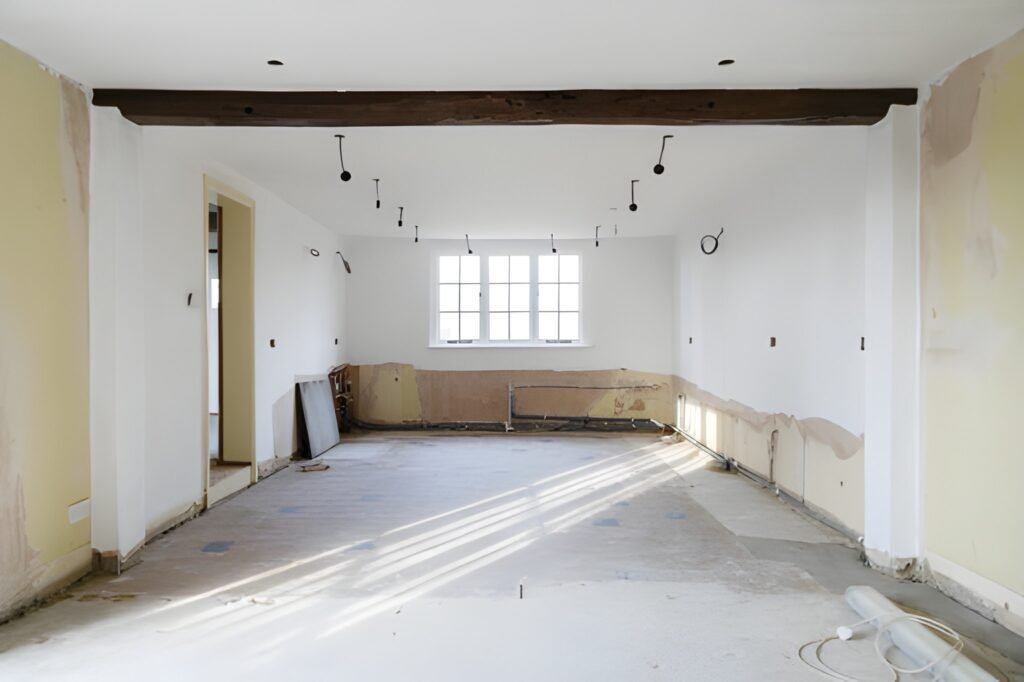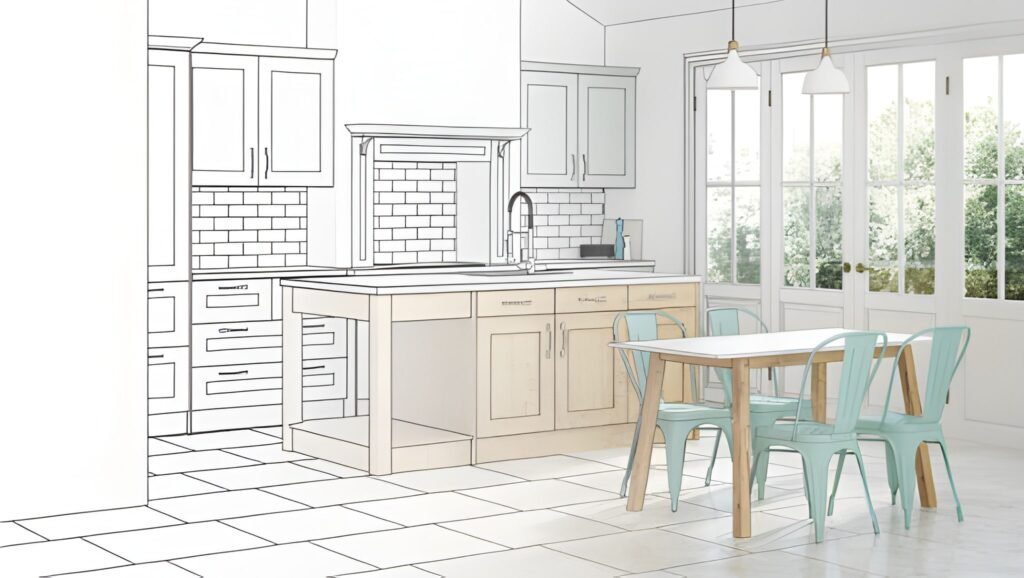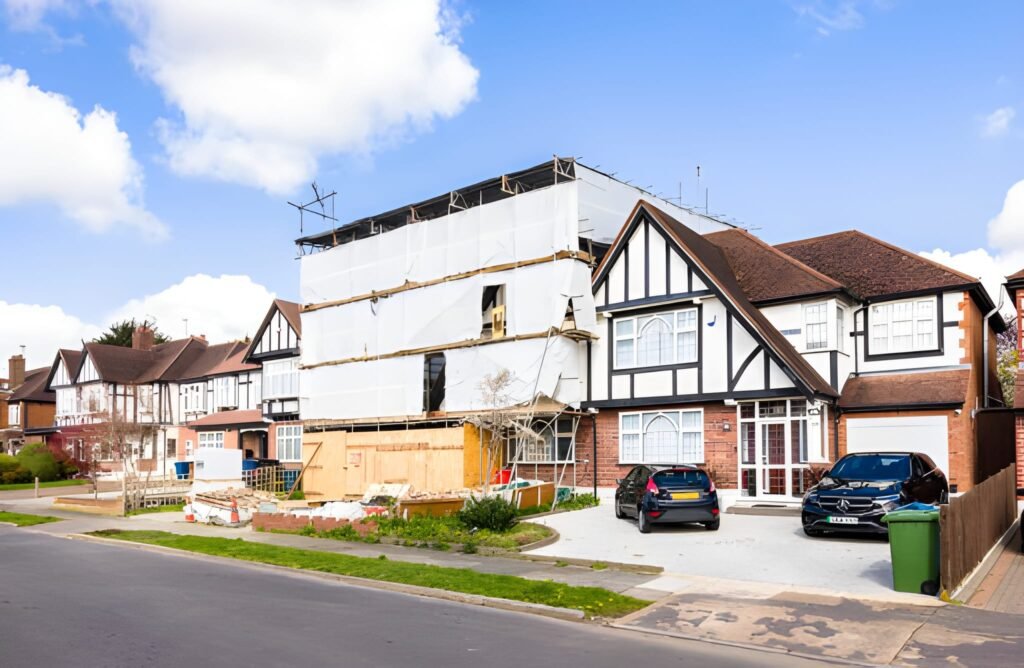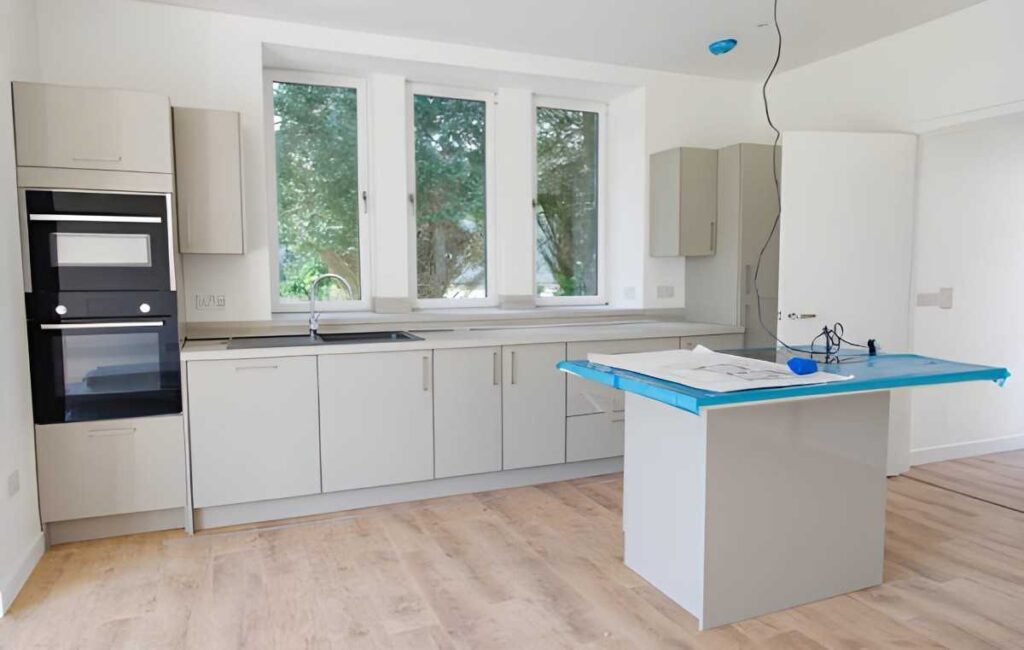
A £50,000 budget for a kitchen renovation elevates the project from a simple room update to the creation of a truly bespoke, high-performance, and architecturally integrated living space. This is the territory of made-to-order craftsmanship, professional-grade appliances, and significant structural alteration. The objective with this level of investment is not merely to install a new kitchen, but to execute a complete transformation of the home’s central hub, where design, functionality, and cutting-edge technology converge seamlessly. Success here is defined by a collaborative process with skilled designers and tradespeople, resulting in a kitchen that is a perfect synthesis of personal vision, daily utility, and substantial property value enhancement.
The Strategic Allocation of a £50,000 Budget
At this tier, the budget allocation shifts significantly from standard renovations. A greater proportion is dedicated to bespoke fabrication, high-specification appliances, and complex structural work. A strategic model would be:
- Bespoke Cabinetry & Joinery: £18,000 – £22,000 (36-44%)
- Appliances & Ventilation: £10,000 – £12,000 (20-24%)
- Labour & Specialist Trades: £10,000 – £12,000 (20-24%)
- Worktops & Splashbacks: £4,000 – £5,000 (8-10%)
- Lighting, Flooring & Final Finishes: £3,000 – £4,000 (6-8%)
This allocation includes a built-in contingency for a project of this complexity, typically managed within the main categories.
Phase 1: Architectural Intent and Structural Reconfiguration
The most significant differentiator of a £50k kitchen is the potential for architectural change. This budget comfortably accommodates reconfiguring the space to improve flow and connection.
- Knocking Through Walls: Removing a structural wall to integrate a dining room or utility area into an open-plan kitchen-diner is a primary goal. This requires a structural engineer’s report (£500 - £1,000) and the installation of a steel RSJ or a hidden steel beam (£2,000 - £4,000 including making good).
- Bi-Folding or Sliding Doors: Installing a full-width glazed door system to connect the kitchen with the garden is almost a standard expectation. A high-quality, thermally broken aluminium system for a large opening will cost £8,000 - £12,000 supplied and fitted.
- Feature Ceilings and Zones: This budget allows for architectural detailing, such dropped bulkheads with integrated lighting to define cooking and dining zones, or the creation of a dedicated pantry or utility room with its own dedicated joinery.
Phase 2: The Heart of the Kitchen – Bespoke Joinery and Surfaces
Off-the-shelf or standard trade ranges are no longer considered. The cabinetry will be either a high-end, fully flexible branded kitchen (e.g., Plain English, Smallbone, deVOL) or a truly bespoke solution designed by a specialist joiner.
- Bespoke Joinery: This means every unit, drawer, and shelf is made to fit your exact space and needs. Features include:
- Full-height, integrated larder units with pull-out systems.
- A large, freestanding island with a dedicated sink, prep area, and breakfast bar.
- Customised internal storage for specific items, from spice racks to cutlery trays.
- The use of premium materials, such as solid timber, high-pressure laminates, or hand-painted finishes.
- Statement Worktops: The surface choice becomes a central design feature. The budget allows for:
- A thick (3cm) quartzite or marble slab: For a natural, luxurious look (cost: £3,000 - £5,000).
- A large-format porcelain slab: Highly durable and heat-resistant, with a modern, seamless appearance.
- A composite stone like Caesarstone or Silestone in a premium finish.
Phase 3: Professional-Grade Appliances and Integrated Comfort
This is where the kitchen’s performance is defined. The budget allows for a suite of appliances that would be found in a professional kitchen, but designed for the home.
- The Cooking Zone: A £1,500 - £2,500 range cooker or a built-in combination of a professional-style gas or induction hob (£1,000 - £2,000) with twin ovens (one steam, one conventional).
- The Refrigeration Zone: A fully integrated, over-and-under fridge and freezer combination, or a substantial American-style fridge-freezer.
- Crucial Extras: A dedicated wine cooler, a coffee machine plumbed into the mains, and a boiling water tap are considered standard inclusions.
- The Unseen Essential: Ventilation: A powerful, externally vented extraction hood is non-negotiable. For a central island, this likely means a discreet, ceiling-mounted extractor or a powerful downdraft system, costing £1,000 - £2,500.
Phase 4: The Integrated Systems – Lighting, Heating, and Audio
The finishing touches are what make the space feel truly curated and effortless to use.
- A Layered Lighting Scheme: This involves three layers:
- Ambient: Dimmable LED downlights recessed into the ceiling.
- Task: Under-cabinet lighting and focused pendant lights over the island.
- Accent: In-cabinet lighting or uplighting on top of wall units.
- Comfort and Ambiance: Underfloor heating is a standard inclusion for comfort and to free up wall space. A integrated sound system with in-ceiling speakers completes the atmosphere.
- Final Finishes: The flooring will be a premium material like large-format porcelain tiles or engineered oak. The splashback could be a full-height slab of the worktop material or a bespoke, hand-made tile feature.
A £50,000 kitchen renovation is a significant undertaking that results in a timeless, highly functional, and valuable asset. It requires a trusted relationship with a skilled designer and a principal contractor who can coordinate the myriad of specialist trades. The outcome is more than a kitchen; it is the definitive heart of the home, engineered for performance, designed for life, and built to last for decades, providing an exceptional return in both daily living and long-term property value.