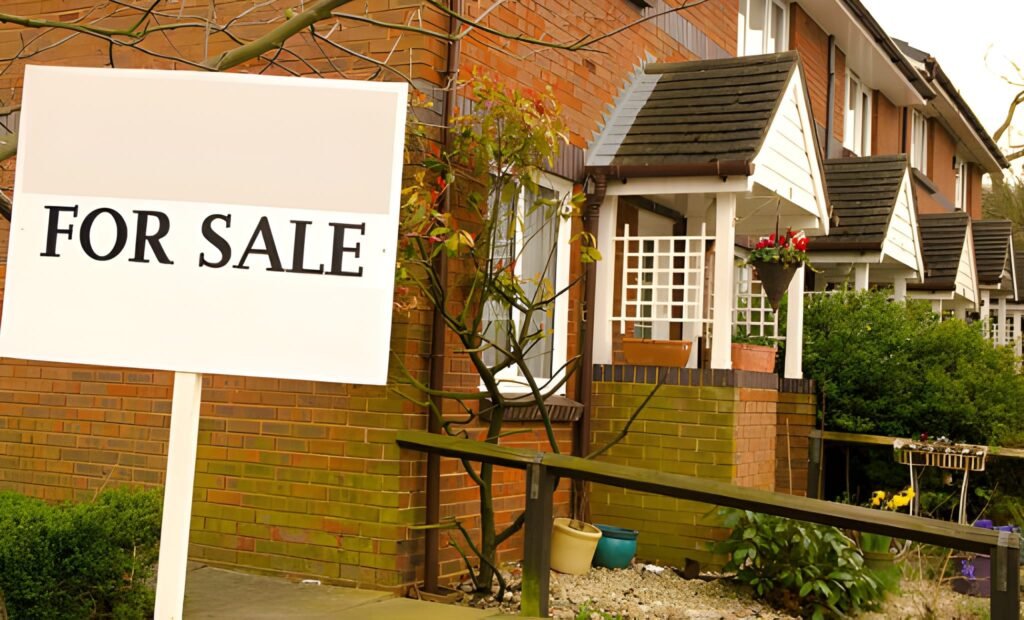
The process of selling a home is often shrouded in anecdote and well-meaning but outdated advice. Cutting through the noise requires a focus on what is demonstrably true, backed by data, market analysis, and the fundamental principles of behavioural economics. For UK homeowners, understanding these proven facts is not merely academic; it is the key to designing a sales strategy that maximizes both the speed of the transaction and the ultimate sale price. This article distils the complex property market into five irrefutable facts that should guide every decision you make from the moment you consider selling.
Fact 1: Pricing Strategically at the Outset is Irrefutably Critical
The single most powerful factor determining how quickly your home sells is its initial asking price. This is not a matter of opinion but a conclusion supported by vast amounts of property market data.
The Evidence:
Properties priced correctly from the first day on the market attract the maximum number of potential buyers in the crucial early “launch” period. The UK property portal Rightmove consistently reports that homes priced right at the outset sell significantly faster and are far more likely to reach their asking price than those that undergo a series of price reductions later.
This phenomenon is rooted in buyer psychology. Fresh listings receive the most attention. If your property is perceived as overpriced compared to its actual comparable value, it will be dismissed by serious, informed buyers. After several weeks, it becomes “stale.” Even if you then reduce the price to a realistic level, the property carries the stigma of having been unwanted. Buyers will wonder, “What’s wrong with it that no one else has bought it?” and may feel empowered to submit an even lower offer.
The Strategic Implication:
Your goal is not to test the market with a hopeful figure. Your goal is to set a price that is at the very centre of the property’s evidenced value range. This requires:
- Commissioning three professional valuations from reputable local agents.
- Challenging those valuations by asking for evidence: sold prices (not just asking prices) of truly comparable properties (similar size, condition, location) from the last 3-6 months.
- Resisting emotional attachment. The market value is what a willing buyer will pay a willing seller today, not the sum of your renovation costs plus what you need for your next purchase.
A strategically set price creates immediate urgency and competition among buyers, often leading to bids at or above the asking price.
Fact 2: First Impressions are Made at the Kerb, Not in the Kitchen
The concept of “kerb appeal” is proven to have a direct financial impact. A study by the Royal Institution of Chartered Surveyors (RICS) found that effective presentation can add up to 5-10% to a property’s value. The buyer’s decision-making process begins the moment they see your property from the street.
The Evidence:
Human beings make rapid, subconscious judgements. A poorly maintained exterior signals that the interior may also be neglected. It sets a negative tone that is difficult to overcome, no matter how beautiful the kitchen inside might be. Conversely, an attractive, well-kept exterior creates a positive “halo effect,” putting the buyer in a receptive frame of mind before they even step through the door.
The Strategic Implication:
Before you take a single internal photograph, invest time and resources in the exterior. This is non-negotiable. Key actions include:
- Tidying the garden: Mow the lawn, weed flowerbeds, trim hedges.
- Defining the entrance: Ensure the path is clear, the front door is clean and freshly painted (a classic dark blue or elegant green can work wonders), and the house number is visible.
- Removing clutter: Put away bins, gardening equipment, and children’s toys.
- Ensuring immaculate cleanliness: Clean windows, clear gutters, and pressure-wash patios and driveways.
This investment is often low-cost but delivers one of the highest returns in the entire selling process.
Fact 3: Professional Photography is Not an Expense; It is an Investment
In the digital age, your online listing is your primary sales tool. Over 95% of house hunters begin their search online. The quality of your photography is the decisive factor in whether a buyer clicks on your listing, explores it fully, and books a viewing.
The Evidence:
Listings with professional, high-quality photography consistently outperform those with amateur photos. Data from property portals shows they receive more views, are saved to favourites more often, and ultimately sell faster. Wide-angle, bright, well-composed photos allow buyers to properly assess the space, flow, and light of a property. Dark, cluttered, or blurred photos force buyers to make assumptions—and they will usually assume the worst.
The Strategic Implication:
Hiring a professional residential photographer is one of the most impactful financial decisions you will make. The cost is typically a few hundred pounds but can shave weeks off your selling time and add thousands to the final price. This extends beyond still photos to:
- Floorplans: A professional floorplan is now expected. It helps buyers understand the layout logically and filters out those for whom the flow wouldn’t work.
- Video Tours: A well-produced video walkthrough can create an emotional connection and give a genuine sense of the property’s atmosphere.
Do not let your agent use amateur photos. Insist on professional marketing materials.
Fact 4: Neutral, Decluttered Spaces Sell; Personal, Cluttered Spaces Do Not
Buyers must be able to visualise themselves and their own belongings living in your home. A house filled with your family’s personal effects, collections, and clutter actively prevents them from doing this. The process of depersonalising and decluttering is a proven method of increasing a property’s perceived value and saleability.
The Evidence:
Home staging, which is built on this principle, is a recognised profession because it works. A 2021 report by the National Association of Estate Agents (Propertymark) in the UK found that a well-presented home could achieve up to 10% more than a similar, poorly presented one. Clutter makes rooms feel smaller and darker. Personal photographs and distinctive decor force the buyer to see your life, not the potential for their own.
The Strategic Implication:
You must undertake a ruthless process of simplification.
- Declutter: Remove at least one-third of your belongings from view. Rent a storage unit if necessary. Clear all surfaces—kitchen worktops, bathroom counters, bookshelves, and mantelpieces.
- Depersonalise: Pack away family photos, children’s artwork, religious items, trophies, and collections. The goal is to create a clean, neutral canvas.
- Neutralise Decor: While repainting entire rooms may not be feasible, consider painting over any very bold or dated feature walls with a neutral, light colour like light grey or off-white.
- Deep Clean: Every surface must be immaculate. The property should smell fresh and clean, not of pets or last night’s dinner.
This process helps the buyer focus on the architecture, the space, and the light—the permanent features they are actually buying.
Fact 5: The “Chain” is a Primary Determinant of Sale Success
In the UK property market, the status of the buyer—specifically, whether they are in a chain or not—is a proven factor in the likelihood of a sale completing successfully and without delay. A lower offer from a chain-free buyer is very often a better offer than a higher one from someone in a long, fragile chain.
The Evidence:
The UK’s system of dependent sales (chains) is a frequent cause of transaction failure. If your buyer is also waiting to sell their own property, and their buyer is doing the same, the chain can involve dozens of people. If any one link in that chain breaks—due to a financing issue, a change of heart, or a failed survey—the entire chain can collapse. This risk is very real. Chain-free buyers, such as first-time buyers or investors, present no such risk. Their purchase is contingent only on their finances and your legal process, making the transaction significantly faster and more secure.
The Strategic Implication:
When evaluating offers, you must look beyond the headline number.
- Prioritise Buyer Position: An offer of £475,000 from a verified first-time buyer with a mortgage agreement in principle is very often superior to an offer of £485,000 from a buyer who has not yet even put their own property on the market.
- Become Chain-Free Yourself: If you have the means, consider moving into rented accommodation or with family to make yourself a chain-free seller. This makes your property immensely attractive to all buyers, as you can be flexible and quick.
- Ask Your Agent to Qualify Buyers: Your agent should rigorously check a buyer’s financial position and chain status before presenting an offer to you. Understanding their motivation and position is key to making an informed decision.
A smooth, certain sale at a slightly lower price is frequently more valuable than a higher, riskier price that may fall through after months of delay.
Conclusion: Acting on Evidence
Selling a home is an emotional journey, but it must be managed with a dispassionate, strategic mindset. These five facts are not theories; they are pillars of a successful sales strategy. By pricing with precision, perfecting your kerb appeal, investing in professional marketing, creating a neutral canvas inside, and prioritising the right buyer, you transform the sale of your home from a game of chance into a calculated process designed for an optimal outcome. This evidence-based approach is the most powerful tool you have to ensure a swift, successful, and profitable sale.