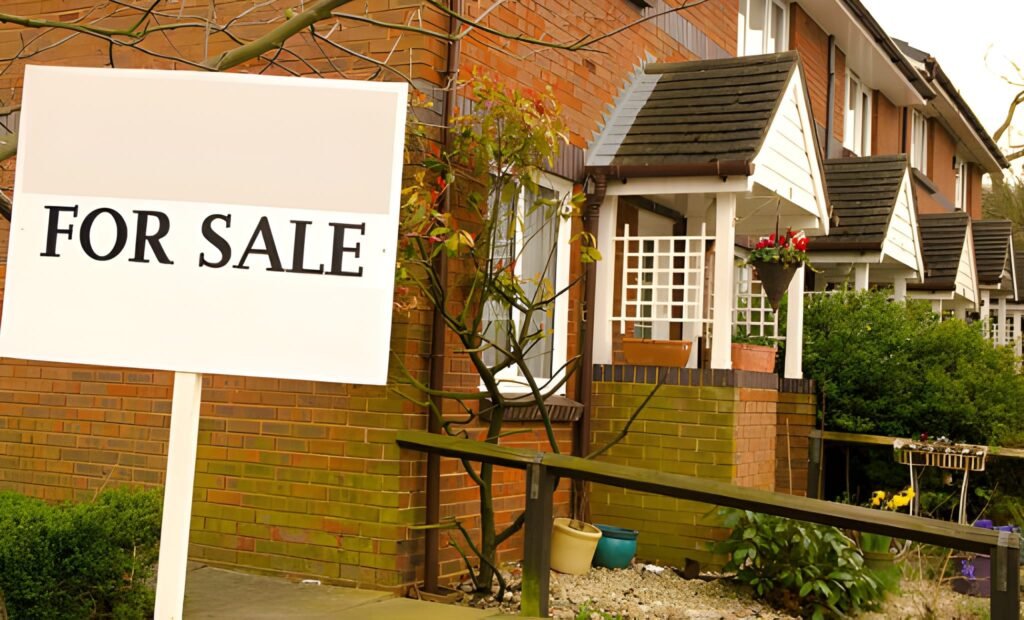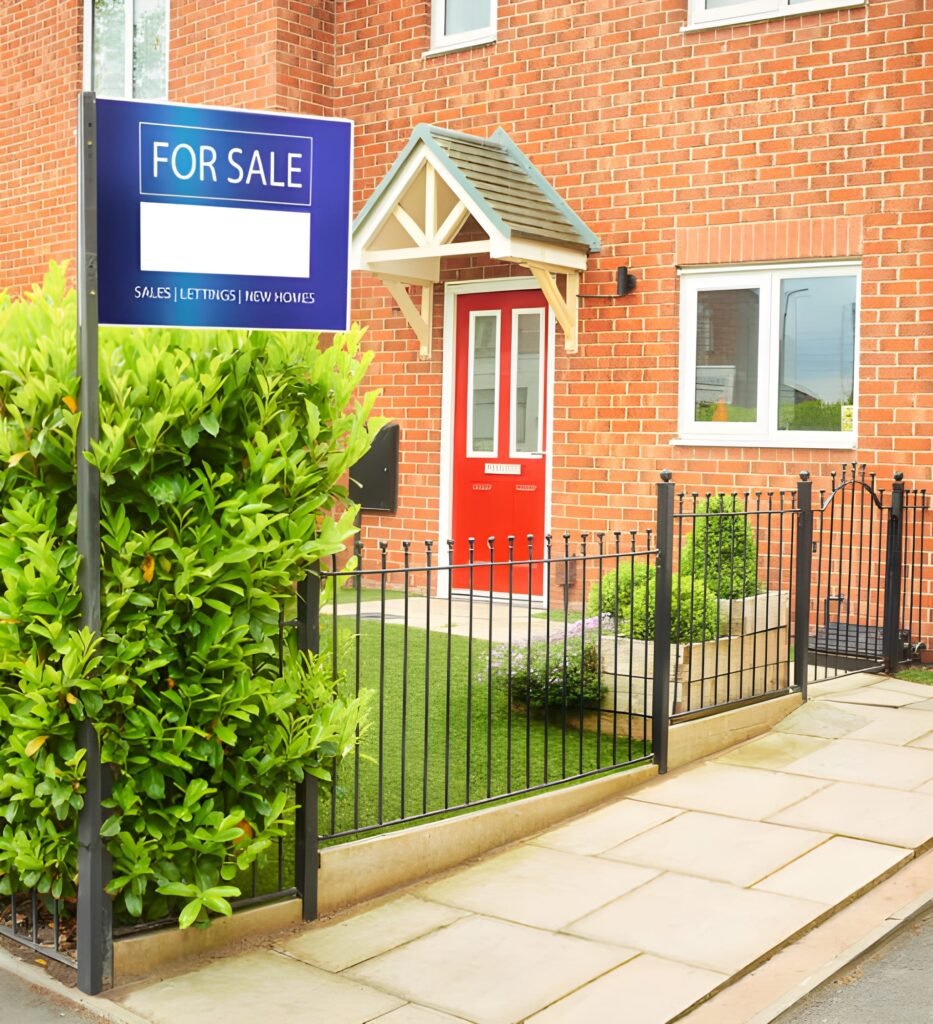
Selling a home is a process governed by perception, emotion, and economics. In a competitive UK market, a property that lingers on the market often sells for less than its true value, as buyers perceive a stale listing as fundamentally flawed. The key to a swift sale at the best price is a deliberate, multi-faceted strategy that addresses every potential objection a buyer might have before they even form it. This comprehensive guide breaks down 47 actionable tactics into logical categories, providing a clear blueprint for preparing your home for a fast and successful sale.
Phase 1: The Foundation – Pricing & Professional Preparation
Before a single buyer steps through the door, your strategy must be set. Mistakes made at this stage are the hardest to rectify.
- Commission a Realistic Valuation: Invite three reputable local estate agents. Challenge their figures; ask for evidence of comparable sold prices, not just asking prices. An inflated price is the single greatest cause of a slow sale.
- Understand the Market: Is it a buyer’s or seller’s market? Your pricing and negotiation strategy hinges on this reality.
- Choose Your Agent Wisely: Select an agent based on their marketing plan, track record, and sales pitch, not just their fee. The cheapest agent can be the most expensive choice if they lack initiative.
- Opt for a Multi-Agency Agreement (Cautiously): This can incentivise multiple agents, but fees are higher. Consider a sole agency agreement with a strong, proactive agent first.
- Review the Energy Performance Certificate (EPC): Order this early. A low rating (F or G) can deter buyers and even be unlawful to rent out. Simple improvements like loft insulation can boost your score.
- Prepare the Legal Pack: Instruct your solicitor early. Having draft contracts, the title register, and the property information form (TA6) ready makes you a highly attractive “quick and certain” seller in the eyes of agents and buyers.
Phase 2: The Deep Clean – Decluttering & Depersonalising
Buyers must be able to visualise their own lives in your space. Your personal story is a distraction.
- The One-Third Rule: Remove at least one-third of the items from your closets, cabinets, and storage. Overflowing storage signals a lack of space.
- Rent a Storage Unit: Temporarily move out excess furniture, seasonal items, family photos, collections, and bulky sports equipment. Create physical and visual space.
- Clear All Surfaces: Kitchen worktops, bathroom counters, bookshelves, and coffee tables should be almost bare. A single vase or book is enough.
- Tackle the Hidden Areas: Buyers will look inside cupboards, pantries, and wardrobes. Neat, organised, and half-empty is the goal.
- Depersonalise Systematically: Pack away personal photographs, diplomas, children’s artwork, religious icons, and trophies. You want buyers to imagine their future, not ponder your past.
- Edit Your Bookshelf: A few neutral books are fine; a vast collection on a niche topic can be a distraction.
- Simplify Wall Colours: Repaint loud, bold, or dated feature walls in neutral tones like light grey, off-white, or greige.
- Deep Clean the Entire Property: This is non-negotiable. Every surface must gleam. Hire professionals if necessary. Pay special attention to:
- Windows and Glass: Streak-free windows maximise light.
- Grouting and Sealing: Scrub bathroom and kitchen grouting. Mildew is a major turn-off.
- Appliances: Deep clean the oven, hob, extractor fan, and dishwasher. An unclean oven suggests poor overall maintenance.
- Carpets and Floors: Professionally clean all carpets. Polish wooden floors.
- Eliminate Odours: Neutralise all smells. Cooked food, pets, and dampness are the biggest culprits.
- Bake Bread or Brew Coffee: Before a viewing, the scent of freshly brewed coffee or baked bread is a classic, welcoming trick.
- Use Neutral Scents: Avoid overpowering artificial plug-ins. Opt for subtle, fresh scents like linen or citrus.
Phase 3: The Stage – Home Staging & Presentation
Your home is now a product. You are its curator, highlighting its best assets and minimising its flaws.
- Maximise Curb Appeal: The front exterior is the first impression. Ensure the garden is tidy, the path is clear, the front door is clean and freshly painted, and the house number is visible.
- Define Each Room’s Purpose: A spare room should be staged as a bedroom or home office, not a dumping ground. Avoid labelling rooms as “junk rooms”.
- Rearrange Furniture: Create clear, logical walkways through each room. Float furniture away from walls to make spaces feel larger.
- Let the Light In: Open all curtains and blinds wide before every viewing. Replace any dead lightbulbs with high-lumen, warm-white bulbs.
- Create a “Focal Point” in Key Rooms: In the living room, ensure the fireplace or a nice window is the highlight. In the bedroom, make the bed the star.
- Stage the Dining Table: Set the table with simple, elegant place settings to help buyers imagine entertaining.
- Make the Bedrooms Inviting: Invest in new, neutral bedding, plump the pillows, and ensure beds are made impeccably.
- Stage the Bathroom: Hang fresh, fluffy white towels. Place a new bar of soap, a candle, and ensure the room is spotless and dry.
- Address Pet Presence: During viewings, pets should be absent. Remove all signs of them: food bowls, toys, beds, and litter trays. Ensure there are no lingering odours.
- Create an Outdoor Room: If you have a patio, balcony, or garden, stage it with a small bistro set, making it an attractive extension of the living space.
- Fix the Minor Niggles: The list of small repairs you’ve ignored for years? Fix them now. Leaky taps, sticking doors, squeaky floorboards, cracked socket covers, and scuffed paintwork all whisper “neglect” to a buyer.
Phase 4: The Campaign – Marketing & Viewings
How your property is presented online and in person determines the quality and quantity of interest.
- Invest in Professional Photography: This is the most important marketing spend. Amateur, dark photos will sink your listing. Professional, bright, wide-angle photos are essential.
- Consider a Video Tour: A well-produced video tour allows buyers to familiarise themselves with the layout before a physical viewing, qualifying interest more effectively.
- Utilise a Floorplan: A clear floorplan is now expected. It helps buyers understand the flow and size of the rooms and filters out those for whom the layout wouldn’t work.
- Write a Compelling Description: Work with your agent to ensure the listing highlights key features (e.g., “south-facing garden”, “original period features”, “walk-in pantry”, “off-street parking”).
- Be Flexible with Viewings: Accommodate viewings, even at short notice. The more people who see it, the higher the chance of an offer. Restricting access severely limits your pool of buyers.
- Leave the House During Viewings: Allow the agent and buyers to talk freely without feeling they are intruding on your space. Take a walk or wait in the car.
- Create a Information Pack: Leave a folder on the kitchen counter with details buyers might want: copies of the EPC, floorplan, details of recent renovations (e.g., new boiler installed in 2022), council tax band, and information on local amenities.
- Highlight the Lifestyle: Sell the location as much as the property. Mention excellent local schools (check catchment areas), transport links, parks, and popular cafes.
Phase 5: The Final Push – Incentives & Negotiation
Small gestures can make your property stand out as the obvious choice in a competitive field.
- Be Prepared to Negotiate: Have a clear bottom line in mind but understand that some negotiation is standard. A slightly lower offer from a chain-free buyer is often better than a higher offer from someone in a long, fragile chain.
- Consider Incentives: If the market is slow, a well-chosen incentive can spark interest.
- Offer to Pay the Stamp Duty: For a higher-value property, contributing to the buyer’s stamp duty bill can be a powerful motivator.
- Leave Certain Appliances: Offering to leave the washing machine, fridge, or curtains can remove a hurdle for a first-time buyer.
- Be Chain-Free: If you can, become a chain-free seller by moving into rented accommodation or staying with family. This makes you highly attractive.
- Time Your Launch: List your property on a Tuesday or Wednesday morning for maximum exposure on property portals during the peak browsing days.
- Responsiveness: Once an offer is made, be prompt in responding and providing any information required by the buyer’s solicitor. Momentum is critical to keeping a deal together.
Conclusion: The Sum of All Parts
A fast sale is never the result of a single action. It is the cumulative effect of dozens of small, deliberate choices that together present a property as turnkey, desirable, and fairly priced. By methodically working through these 47 strategies—from the foundational pricing to the final negotiable incentive—you transform your home from a mere listing into an irresistible opportunity, compelling buyers to act quickly and decisively to make it their own.