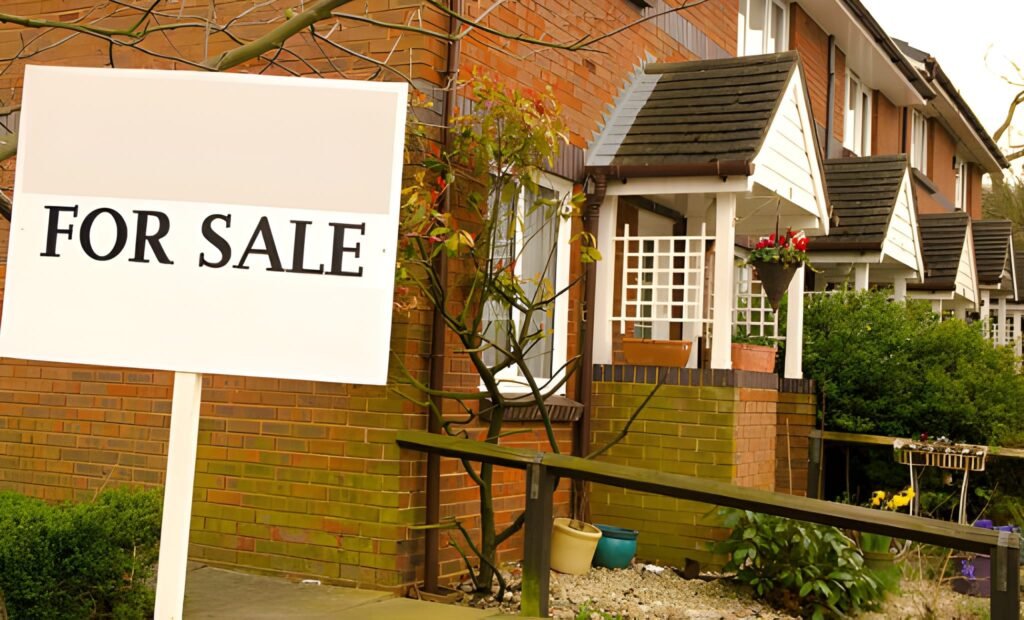
A property lingering on the market without offers is a source of immense frustration and financial strain. In a functioning market, a well-presented and correctly priced home will attract interest. A prolonged lack of viewings or offers is a clear signal that something is wrong. This guide diagnoses the eleven most common reasons a home fails to sell, moving beyond superficial advice to provide a clear-eyed analysis of the issues and their solutions.
1. The Price is Wrong
This is, by a significant margin, the most common reason a property fails to sell. The asking price is not determined by your financial needs or emotional attachment; it is set by the market. An overpriced property will be ignored by savvy buyers and their agents, who have access to comprehensive sold price data.
- The Evidence: Compare your asking price to the actual sold prices (not asking prices) of similar properties in your immediate area over the last 3-6 months. Use the Land Registry data available on Rightmove and Zoopla.
- The Solution: Conduct a brutal reassessment. If viewings are low, your price is too high. If you have had viewings but no offers, buyers are seeing better value elsewhere. Reduce the price to a level that generates immediate interest. A single significant reduction is more effective than a series of small, desperate cuts.
2. Poor Kerb Appeal
The buyer’s first impression is formed before they step inside. A neglected exterior suggests a neglected interior, causing potential viewers to drive away without booking a viewing.
- The Evidence: Stand across the street and look at your home objectively. Is the paintwork faded? Is the garden overgrown? Is the front door tired? Is the bin storage visible?
- The Solution: Invest in simple improvements: mow the lawn, weed the paths, plant some seasonal flowers, clean the windows, and apply a fresh coat of paint to the front door and window frames. Ensure the house number is clear. These small, low-cost actions can have a dramatic impact.
3. Ineffective Photography and Marketing
Over 95% of home searches start online. Dark, cluttered, or amateur photographs taken on a phone will cause buyers to scroll past your listing. Poor marketing fails to capture the property’s potential.
- The Evidence: Compare your listing to the top-performing properties in your area on Rightmove. Do their photos look brighter, more professional, and more inviting? Do they include a floor plan and a virtual tour?
- The Solution: Insist on professional photography. A good photographer uses wide-angle lenses and lighting to make rooms appear larger and brighter. A clear, accurate floor plan is essential. Consider a virtual tour to allow online buyers to explore the space fully. This is a non-negotiable investment in the digital first impression.
4. The Property is Cluttered and Over-Personalised
Buyers need to visualise their own lives in your space. Excessive furniture, personal clutter, family photos, and bold decor choices prevent them from forming this emotional connection.
- The Evidence: Rooms feel small and dark. Surfaces are covered. Cupboards are bursting. The buyer’s eye is drawn to your personal belongings rather than the architecture of the home.
- The Solution: Declutter ruthlessly. Remove at least a third of your furniture to create a sense of space and flow. Pack away personal photographs, collections, and religious items. Clear all worktops, shelves, and windowsills. Consider renting a storage unit. The goal is to present a neutral, clean, and spacious canvas.
5. The Home is in Need of Obvious Repair
Buyers are risk-averse. Visible defects—a dripping tap, cracked plaster, peeling wallpaper, broken fittings—signal future expense and hassle. They lead buyers to wonder what other, hidden problems exist.
- The Evidence: You have become blind to minor issues you live with every day. Viewers consistently mention the same repair issues in their feedback to the estate agent.
- The Solution: Before listing, walk through the property with a critical eye and fix all minor repairs. Replace broken light switches, re-grout the bathroom, fix leaking taps, and touch up scuffed paint. A small investment in pre-sale maintenance can prevent buyers from deducting large sums from their offers.
6. Unrealistic Viewing Arrangements
Making your home difficult to view is a sure way to kill buyer interest. In a competitive market, buyers will simply move on to the next, more accessible property.
- The Evidence: You restrict viewings to a narrow two-hour window on a Saturday afternoon. You require 48 hours’ notice. You are rarely flexible.
- The Solution: Make the property as accessible as possible. Allow viewings in the evenings and on weekends. Be prepared to accommodate short-notice requests from serious buyers. Flexibility maximises the number of people who can see the property, increasing the likelihood of an offer.
7. You Have the Wrong Estate Agent
A passive or ineffective estate agent will fail to sell even a well-priced property. The agent’s motivation, marketing strategy, and database of active buyers are critical.
- The Evidence: The agent communicates poorly. They do not provide feedback after viewings. Their marketing is lacklustre. They seem to be waiting for the phone to ring rather than proactively selling.
- The Solution: Review your contract. If possible, consider switching agents. When appointing a new one, choose based on their proven track record of selling similar properties in your area, not just on their fee or their initial valuation. A proactive local agent will actively pitch your property to their list of qualified buyers.
8. Unpleasant Odours
Smell is powerfully linked to memory and emotion. Unpleasant odours—be they pets, damp, tobacco, or strong cooking—can cause a viewer to reject a property within seconds of entering.
- The Evidence: You have become “nose blind” to the smells in your own home.
- The Solution: Before every viewing, ensure the home is well-ventilated. Avoid cooking strong-smelling foods like fish or curry on viewing days. Use neutral scent diffusers or bake bread before a viewing. Professionally clean carpets and soft furnishings if necessary. Address any underlying damp issues immediately.
9. A Weak Property Description
The sales description on the listing is your primary sales pitch. A generic, lazy description filled with clichés (“deceptively spacious”, “in need of modernisation”) fails to sell the property’s unique benefits.
- The Evidence: The description is short, vague, and does not highlight key features like a new boiler, underfloor heating, proximity to outstanding schools, or south-facing garden.
- The Solution: Work with your agent to write a compelling description that sells the lifestyle, not just the rooms. Mention recent upgrades, energy efficiency ratings, and unique features. Use persuasive language that helps the buyer imagine living there.
10. The Market Has Shifted
Economic factors beyond your control can impact the market after you have listed your property. Interest rate rises, a change in buyer confidence, or a local economic downturn can cause the market to cool.
- The Evidence: Similar properties in your area have also stopped selling or are reducing their prices. Buyer demand has visibly decreased.
- The Solution: Have an honest conversation with your agent about the local market climate. If the market has genuinely slowed, your options are to reduce your price to match the new market reality or to withdraw from the market and wait for conditions to improve.
11. Unresolved Legal or Structural Issues
If a buyer’s solicitor uncovers a significant problem—a restrictive covenant, a lack of building regulations approval for an extension, or a history of subsidence—it can cause the sale to fall through, often repeatedly.
- The Evidence: You have received offers, but sales consistently collapse at the legal stage due to the same issue.
- The Solution: Be transparent from the outset. Obtain the necessary documentation (e.g., building regs certificates, indemnity insurance) before you market the property. Disclose known issues to your agent and potential buyers. Pricing the property to reflect these issues from the beginning will attract buyers who are willing to take them on.
A failure to sell is a problem with a solution. The key is to diagnose the issue honestly by listening to feedback, analysing the market data, and viewing your property through the critical eyes of a buyer. By addressing these eleven points with a clear and strategic approach, you can break the cycle, reignite interest, and secure the sale.