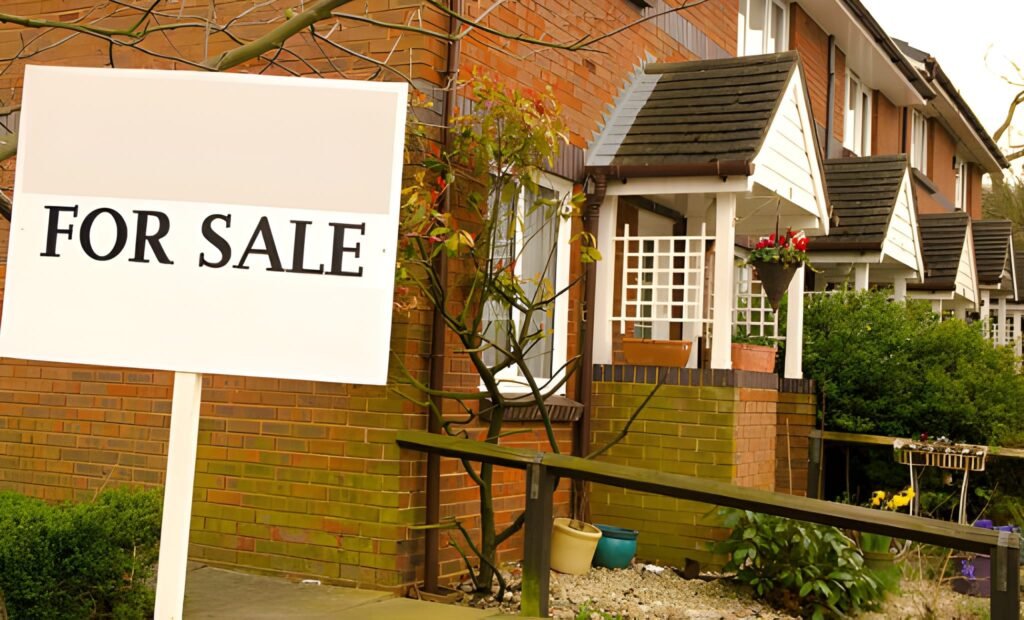
Choosing to sell your home without an estate agent—known as a private sale—is a decision that can lead to significant financial savings, but it demands a commitment of time, organisation, and a clear understanding of the process. The agent’s commission, typically 1\% - 2\% plus VAT of the sale price, is a powerful motivator. On a £300,000 property, this represents a saving of £300,000 \times 0.015 \times 1.2 = £5,400. However, this saving is earned through your own labour. This guide provides a rigorous, step-by-step framework for navigating a private sale successfully, from accurate valuation to the moment you hand over the keys.
Step 1: The Realistic Valuation – Establishing Your Price
The most critical mistake a private seller can make is an emotional over-valuation. Without the tempered, evidence-based advice of a good agent, you must become your own valuer.
How to do it:
- Rightmove & Zoopla: Use the sold prices filter on these portals to see what properties actually sold for in your immediate area in the last 6-12 months, not just what they were listed for. This is your most valuable data.
- Land Registry: For a small fee, you can access the definitive sold price data for any property in England and Wales. This verifies the portal data.
- Market Analysis: Compare your property to recently sold ones objectively. Adjust for size, condition, garden, and specific features. Is your kitchen better? Is your garden smaller? Be brutally honest.
- Get a Second Opinion: Consider paying a local RICS surveyor for a one-off market valuation (cost: approx. £300 - £500). This independent valuation will be trusted by buyers and can justify your asking price.
Step 2: The Financial Audit – Understanding Your Position
Before you market the property, you must understand your financial breaking point. This involves calculating your net proceeds and knowing your minimum acceptable price.
The Calculation:
- Outstanding Mortgage: £180,000
- Expected Sale Price: £300,000
- Estimated Sale Costs:
- Conveyancing: £1,200
- EPC: £90
- Photography: £150
- Listing Fees: £100
- Net Proceeds: £300,000 - £180,000 - £1,200 - £90 - £150 - £100 = £118,460
This figure is what you walk away with. Knowing this helps you evaluate offers rationally.
Step 3: The Professional Preparation – Building Your Team
You are replacing the estate agent, but you cannot replace the other professionals. Instruct them early.
- Solicitor/Conveyancer: Choose a responsive, experienced property specialist. Inform them you are conducting a private sale. Their cost is typically £1,000 - £1,500 plus disbursements.
- Energy Performance Certificate (EPC): By law, you must have an EPC to market the property. Book a domestic energy assessor; cost is approximately £60 - £120. You cannot proceed without it.
Step 4: The Marketing Package – Creating the Assets
The quality of your marketing will directly impact the speed and value of your sale. This is where you must invest effort.
- Photography: This is non-negotiable. Hire a professional residential photographer (£100 - £250). They understand lighting, angles, and wide lenses to make your rooms look their best. Poor phone photos will cripple your efforts.
- Description: Write a detailed, honest, and compelling description. Highlight key features (period details, new boiler, south-facing garden) and be transparent about the tenure (leasehold/freehold), council tax band, and broadband speed. Avoid overhyped language.
- Floorplan: Buyers expect a floorplan. You can use apps to create a basic one, or for a better result, hire a professional (£80 - £150). It helps buyers visualise the space and confirms room sizes.
Step 5: The Market Launch – Listing and Advertising
Your property must be visible to the right audience.
- Online Portals: Pay for a listing on a platform like Rightmove or Zoopla. This is typically done through a private sale service company (e.g., Housesimple, Strike) for a flat fee (£99 - £1,000), which includes listing on the major portals. This is your single most important marketing expense.
- Social Media: Share the listing on local community Facebook groups and on your own networks. A personal post can sometimes find a genuine lead.
- For Sale Board: Order a professional “For Sale By Owner” board. This generates local interest from passers-by.
Step 6: The Viewing Process – Mastering the Presentation
You are now the salesperson. This requires a different mindset.
- Prepare the Home: Follow the guidance in the DIY projects article: deep clean, declutter, depersonalise, and fix minor niggles. Create a welcoming atmosphere.
- Be Flexible: Accommodate viewings at different times, including evenings and weekends.
- Conducting the Viewing: Be friendly but not overbearing. Point out key features but allow buyers time to talk privately. Have an information sheet ready to give them with key details (room sizes, boiler service history, etc.).
- Safety: Always have another person present during viewings. Pre-qualify viewers lightly over the phone before agreeing to a time (“May I ask if you are a cash buyer or would need a mortgage?”).
Step 7: The Offer Negotiation – Securing the Deal
When an offer comes in, your preparation pays off.
- Qualify the Buyer: Ask for evidence of their Agreement in Principle (AIP) and proof of deposit. A qualified buyer is worth more than a higher offer from an unqualified one.
- Negotiate Calmly: Understand your bottom line from Step 2. Negotiate on price, but also on the proposed timeframe. Are they chain-free? Be prepared to justify your asking price with your market research.
- Formal Acceptance: Once agreed, confirm the offer in writing via email to the buyer, stating the agreed price and any conditions. Instruct your solicitor immediately.
Step 8: The Sales Progression – The Crucial Role of Management
This is the most demanding part of the process. Without an agent to chase, the responsibility falls to you.
- Become the Project Manager: You are the central point of communication between the buyer, your solicitor, the buyer’s solicitor, and any mortgage brokers.
- Create a Timeline: Establish expected dates for the buyer’s mortgage application, searches, and enquiries.
- Chase Politely but Regularly: Check in with all parties weekly. A simple email to both solicitors—”Could you please provide a brief update on progress?”—keeps the transaction on everyone’s radar.
Step 9: The Legal Process – Exchanging Contracts
Your solicitor handles the complex legal work, but you must be responsive.
- Provide Information Quickly: Your solicitor will send you forms to complete (e.g., Property Information Form, Fittings and Contents Form). Fill these out accurately and return them immediately. Any delay from you will halt the entire process.
- Review the Contract: Your solicitor will explain the contract to you before exchange. Ensure you understand the completion date.
- Exchange of Contracts: This is the pivotal moment when the deal becomes legally binding. Your solicitor will coordinate this. You will pay the deposit (usually 10\% of the purchase price) to your solicitor at this stage.
Step 10: Completion and Handover – The Final Step
- Preparation: On completion day, the buyer’s solicitor transfers the remaining funds to your solicitor. Once confirmed, you can release the keys.
- Move Out: Ensure the property is completely empty and clean, as viewed, by the agreed time.
- Handover: Arrange to meet the buyer or their agent at the property to hand over all keys, manuals for appliances, and the EPC certificate.
- Final Steps: Your solicitor will pay off your existing mortgage, deduct their fees and sale costs, and forward the net proceeds to you.
Weighing the Risks: A Realistic Conclusion
Selling privately is not for everyone. The risks are real:
- Time Commitment: It is incredibly time-consuming.
- Valuation Errors: Overpricing leads to a stagnant listing.
- Lack of Expertise: Negotiation and sales progression require skill.
- Limited Reach: While you can get on Rightmove, you lack an agent’s network of active buyers.
However, for the organised, realistic, and motivated seller, the financial savings can be substantial. It offers total control over the process, from the marketing copy to the timing of viewings. By following these ten steps meticulously, and recognising the points where professional help (solicitor, photographer) is essential, you can successfully navigate a private sale and retain the commission for yourself. The key is to understand that you are not just the seller; for the duration of the process, you are the managing director of your own home sale.