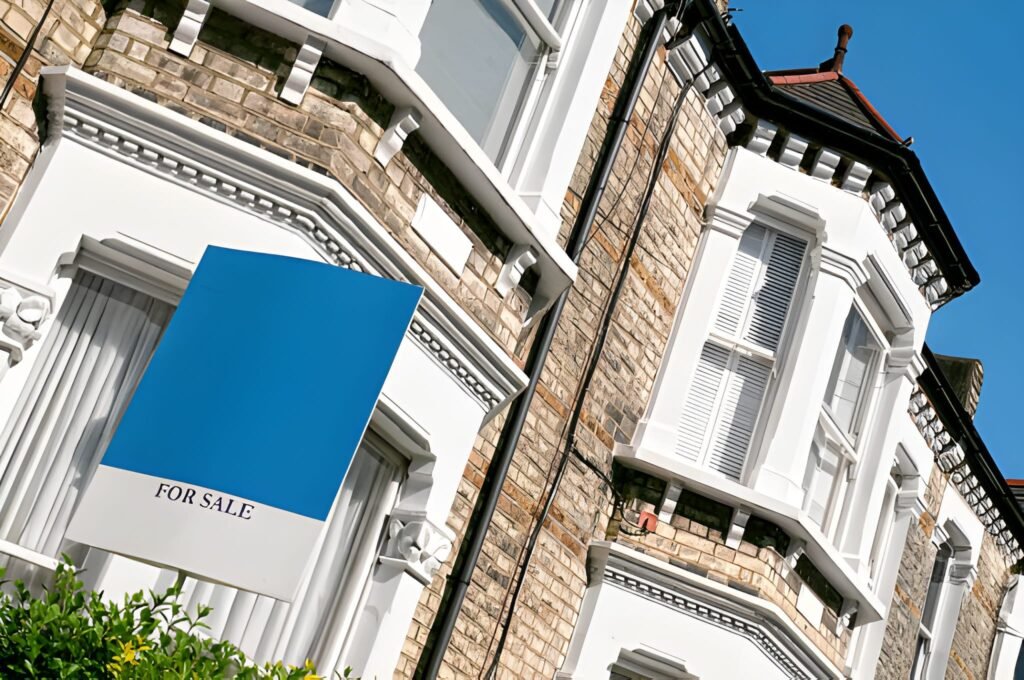
The pursuit of a home is a defining chapter in the story of a life. It is a process fraught with emotion, financial gravity, and a labyrinth of practical complexities. In the UK market, where competition is fierce and the stakes are high, success depends less on luck and more on a disciplined, principled approach. This is not a guide to fleeting market trends; it is a foundation of immutable rules. These are the ten commandments for navigating the UK property purchase with clarity, confidence, and a firm grasp on reality.
I. Thou Shalt Get Thy Finances in Order Before Thou Lookest
The greatest mistake a prospective buyer can make is to fall in love with a property before understanding what they can afford. Emotion clouds judgment, and desperation leads to overextension. Your first step is not a property portal; it is a spreadsheet.
The Action:
- Secure a Decision in Principle (DIP): Also known as an Agreement in Principle (AIP), this is a certificate from a lender stating how much they are likely to lend you based on a soft credit check and your stated income. It is not a guaranteed offer, but it is essential. It signals to estate agents and sellers that you are a serious, credible buyer.
- Calculate Your True Budget: The purchase price is only one number. Your total budget must include:
- Deposit: The portion of the property’s price you pay upfront.
- Stamp Duty Land Tax (SDLT): The government tax on property purchases. For a first-time buyer purchasing a primary residence for £400,000, the calculation is:
SDLT = (0\% \times £425,000) + (5\% \times (£400,000 - £425,000))
Wait, that calculation is incorrect. Let’s use the correct SDLT bands for first-time buyers. For a £400,000 property, first-time buyers pay 0% on the first £425,000. So, SDLT = £0. For a non-first-time buyer on the same property:
SDLT = (0\% \times £250,000) + (5\% \times (£400,000 - £250,000)) = £0 + (£150,000 \times 0.05) = £7,500 - Conveyancing Legal Fees: Typically £1,000 - £2,500 including VAT.
- Survey Costs: From a basic £300 Homebuyer Report to a full £1,000 Building Survey.
- Moving Costs: Removals firms can cost £500 - £1,500.
- Contingency Fund: A buffer of at least £2,000 - £5,000 for unexpected costs.
The Rationale: Knowing your precise financial ceiling empowers you to search with focus and negotiate from a position of strength. It prevents the heartbreak of pursuing a dream home that was never a financial possibility.
II. Thou Shalt Choose Thy Location with Thy Head, Not Only Thy Heart
A property is a fixed physical asset. You can change almost everything about a house except its location. The wrong location can undermine even the most perfect home.
The Action:
Research extends beyond the house itself. You must investigate:
- School Catchments: Even if you do not have children, properties in the catchment area of outstanding schools command a significant premium and are more resilient in a market downturn.
- Transport Links: Proximity to train stations, tube stops, and major bus routes directly impacts property value and rental potential.
- Local Amenities: The presence of shops, GP surgeries, parks, and pubs contributes to quality of life.
- Future Development Plans: Check the local council’s planning portal. A new housing estate behind your proposed garden or a major road expansion planned nearby could drastically alter the environment and value of your home.
- Crime Statistics: Police.uk provides data on local crime rates.
The Rationale: A shrewd buyer purchases the worst house on the best street, not the best house on the worst street. Location is the primary driver of capital growth and long-term livability.
III. Thou Shalt Not Skimp on the Survey
The property market operates under the principle of caveat emptor—buyer beware. The seller has no obligation to reveal every flaw. The survey is your one opportunity to peer beneath the surface before you are legally committed.
The Action:
Do not rely on the lender’s valuation survey. It is a basic check for the bank’s benefit, not yours. Commission your own independent survey. Choose the level based on the property:
- Condition Report (Level 1): For new-builds and standard modern homes.
- Homebuyer Report (Level 2): The most common choice for properties in reasonable condition. It includes a traffic-light system rating the condition of elements and highlights urgent defects.
- Building Survey (Level 3): Essential for older properties (pre-1900), unusual constructions, or buildings you plan to renovate. It provides a comprehensive analysis of the structure and fabric of the building.
The Rationale: A survey costing £500 can identify £10,000 worth of necessary repairs. This report is your most powerful tool for renegotiating the purchase price post-offer or, in extreme cases, walking away from a financial disaster.
IV. Thou Shalt Secure an Independent Solicitor
Conveyancing—the legal process of transferring property ownership—is complex and detail-oriented. The cheapest online option is rarely the best.
The Action:
Instruct a specialist property solicitor or licensed conveyancer. Seek personal recommendations or use a respected review platform. Ensure they are members of the Law Society or SRA regulated. Your solicitor will handle local searches, review contracts, manage funds, and correspond with the seller’s solicitor. They are your legal shield.
The Rationale: A good solicitor anticipates problems, explains complex clauses in plain English, and proactively drives the process forward. A bad or slow solicitor can single-handedly cause your purchase to collapse or leave you exposed to legal pitfalls.
V. Thou Shalt Look Past the Decoration
Sellers stage properties. Fresh paint, clever lighting, and strategically placed furniture are designed to create an emotional connection. Do not be seduced by the surface.
The Action:
Train yourself to see the underlying structure. Look at the proportions of the rooms, the flow of the space, the amount of natural light, and the quality of the storage. Ignore the colour on the walls and the art on the shelves. In your viewings, open cupboards, test water pressure, and look for signs of damp, cracking, or uneven floors.
The Rationale: You are buying the space, the bricks, and the mortar. The decor is temporary and changeable. A house with good bones but ugly decor is often a better investment than a beautifully dressed property with fundamental layout flaws.
VI. Thou Shalt Negotiate with Pragmatism, Not Emotion
The offer stage is a negotiation, not a battle. The goal is to secure the property at a fair market price, not to “win” or exact a pound of flesh.
The Action:
Base your opening offer on comparable evidence (“comps”)—what have similar properties on the same street actually sold for? Use your survey results to justify a revised offer if significant issues are found. Be prepared to walk away if the price exceeds your predetermined budget or the property’s true value. Your greatest negotiating power is the willingness to leave the table.
The Rationale: An inflated offer hurts you financially. An overly aggressive lowball offer can alienate the seller and cause them to reject you outright, even if you later increase it. Pragmatism, backed by data, builds trust and facilitates a successful transaction.
VII. Thou Shalt Think of the Exit Before Thou Enterest
You are not just buying a home; you are making an investment. While it may be your forever home, circumstances change. You must consider its future saleability.
The Action:
Ask yourself: What would make this property attractive to a future buyer? Does it have a major flaw that would deter others (e.g., busy road, unusual layout, leasehold issues)? Is there anything you can do to mitigate this? Avoid properties with fundamental, unchangeable problems that will limit the pool of future buyers.
The Rationale: The most liquid assets are those that appeal to the broadest market. A property that is easy to sell protects your capital and provides flexibility for life’s unexpected turns.
VIII. Thou Shalt Read Every Document Meticulously
The property buying process generates a mountain of paperwork: the Energy Performance Certificate (EPC), property information forms (TA6, TA10), the draft contract, and the leasehold management pack if applicable. These documents contain critical information.
The Action:
Read every line. Your solicitor will highlight legal issues, but you must absorb the practical details. Does the Property Information Form (TA6) reveal a long-running boundary dispute with a neighbour? Does the Leasehold Management Pack show that service charges are set to double next year? These are red flags that only you can fully appreciate in the context of how you want to live.
The Rationale: The devil is in the details. A single clause in a leasehold agreement or a disclosed neighbour dispute can make your life miserable. Due diligence is your responsibility.
IX. Thou Shalt Factor in the Ongoing Costs of Ownership
The mortgage payment is just the beginning. The true cost of homeownership includes a range of ongoing expenses that renters do not face.
The Action:
Budget meticulously for:
- Council Tax: Can range from £100 to £300+ per month depending on the band and area.
- Buildings and Contents Insurance: A mandatory cost, typically £300 - £600 per year.
- Utilities: Gas, electricity, water, and broadband. Budget at least £200 - £400 per month.
- Routine Maintenance: Set aside a sinking fund of at least £100 - £200 per month for inevitable repairs—a broken boiler, a leaky roof, repainting.
- Service Charge & Ground Rent: For leasehold properties, these can be significant and are subject to increase.
The Rationale: Failure to budget for these costs is a primary cause of homeowner stress. Ownership brings freedom but also total responsibility for the upkeep and running costs of your asset.
X. Thou Shalt Prepare for Delays and Disappointment
Property transactions are famously prone to delay. Chains break, surveys reveal nightmares, and solicitors encounter unexpected complications. Expecting a smooth, linear process is a recipe for frustration.
The Action:
Manage your expectations from the outset. Do not give notice on your rental property until you have a firm completion date. Build buffer time into all your plans. Understand that until contracts are exchanged, either party can walk away for any reason, without penalty. Emotionally detach yourself from the outcome until the keys are in your hand.
The Rationale: Adopting a calm, patient mindset is the only way to preserve your sanity during the conveyancing process. It allows you to make rational decisions when problems arise, rather than emotional, desperate ones.
The Final Word: A Foundation for Success
These ten commandments are not a guarantee against every eventuality, but they form a robust framework for navigating the UK property market. They replace anxiety with preparation and emotion with analysis. The journey to homeownership is a marathon, not a sprint. By adhering to these principles, you equip yourself not just to buy a house, but to make a sound, sustainable investment in your future. You move from being a hopeful bidder to a confident, strategic purchaser, fully prepared for the responsibilities and rewards that the keys to your new home will bring.