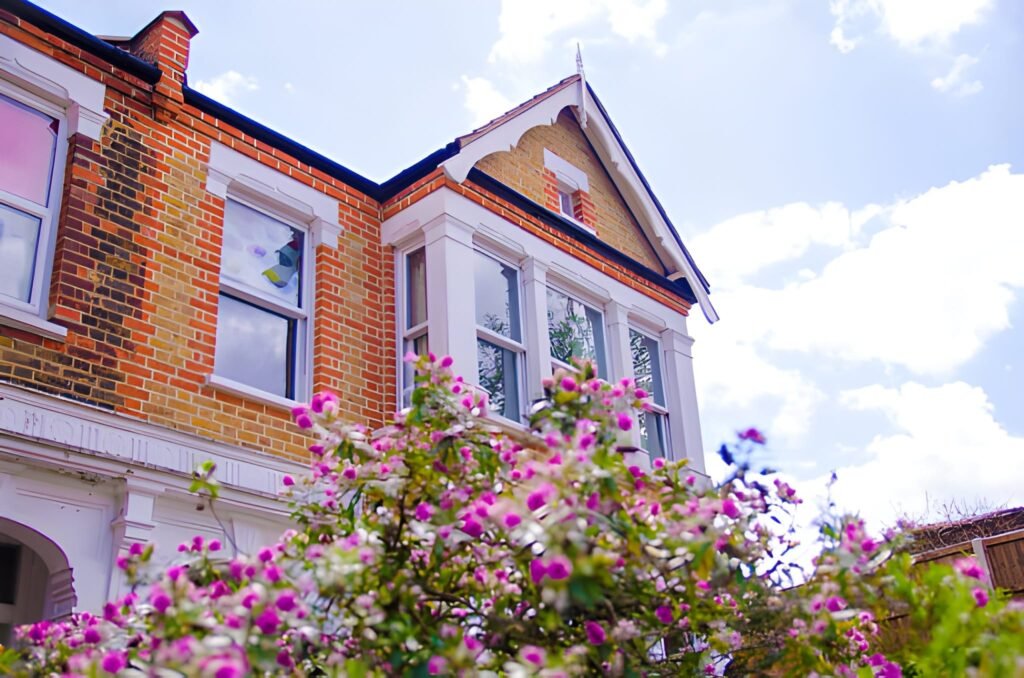
Buying a home in the United Kingdom is one of the most significant financial and personal decisions most people will make in their lifetime. The process can seem complicated at first glance, but when broken down into clear stages, it becomes easier to navigate. In this guide, I will walk you through the home buying process in the UK step by step, explaining every detail in plain English while also examining financial calculations, comparisons, and socioeconomic factors that shape the decisions buyers must make.
Understanding the UK Property Market
Before diving into the steps, it is worth appreciating the broader context of the UK housing market.
The UK property market is influenced by supply and demand, interest rates, regional economic conditions, government policies such as Help to Buy or stamp duty holidays, and demographic changes. Property prices vary significantly between regions: for example, the average price of a home in London is much higher than in the North East of England.
Table 1: Average UK House Prices by Region
| Region | Average Price (£) |
|---|---|
| London | 537,000 |
| South East | 395,000 |
| East of England | 340,000 |
| West Midlands | 265,000 |
| North West | 240,000 |
| Yorkshire & Humber | 230,000 |
| North East | 165,000 |
| Scotland | 215,000 |
| Wales | 210,000 |
| Northern Ireland | 180,000 |
This variation affects affordability, deposit requirements, and mortgage choices. Buyers in London may need higher income multiples or family assistance to purchase, whereas in other regions, salaries stretch further.
Step 1: Assessing Your Financial Readiness
The first step in the UK home buying process is assessing whether you are financially ready.
Key checks include:
- Reviewing your income and outgoings.
- Checking your credit score.
- Understanding deposit requirements.
- Calculating potential monthly repayments.
Example Mortgage Affordability Calculation
Suppose you earn £40,000 annually and your lender uses a 4.5x income multiple. The maximum mortgage you may borrow is:
\text{Maximum Mortgage} = \text{Income} \times \text{Multiple}\text{Maximum Mortgage} = 40,000 \times 4.5 = 180,000 GBP
If you have £20,000 in savings for a deposit, you can look for properties worth up to £200,000.
Step 2: Saving for a Deposit
In the UK, buyers typically need a minimum 5% deposit, although better mortgage deals open up with 10–20% deposits.
Table 2: Deposit Requirements by Property Price
| Property Price (£) | 5% Deposit (£) | 10% Deposit (£) | 20% Deposit (£) |
|---|---|---|---|
| 150,000 | 7,500 | 15,000 | 30,000 |
| 250,000 | 12,500 | 25,000 | 50,000 |
| 400,000 | 20,000 | 40,000 | 80,000 |
Schemes like the Lifetime ISA (LISA) can help, where the government adds a 25% bonus on contributions up to £4,000 a year.
Step 3: Mortgage Agreement in Principle (AIP)
Before viewing homes, many buyers secure a Mortgage Agreement in Principle (AIP). This is a document from a lender estimating how much they might be willing to lend you, based on your income, outgoings, and credit profile.
An AIP is not a guarantee, but it strengthens your position with estate agents and sellers.
Step 4: Searching for a Property
Searching can be done via:
- Online portals (Rightmove, Zoopla, OnTheMarket).
- Local estate agents.
- Auctions for buyers seeking bargains.
When searching, consider location factors: schools, transport, crime rates, green spaces, and future development plans.
Step 5: Viewing and Shortlisting Properties
Property viewings help you assess structural condition, layout, and neighbourhood. During a viewing, check:
- Damp signs (stains, peeling wallpaper).
- Heating and boiler condition.
- Double glazing.
- Roof integrity.
- Storage and natural light.
Take notes and photos to compare later.
Step 6: Making an Offer
Once you find a property, you submit an offer through the estate agent. Offers in the UK are not legally binding until contracts are exchanged.
Negotiation Example
If a property is listed at £250,000 but has been on the market for 4 months, you may start with £240,000. If the seller accepts £245,000, you save £5,000.
Step 7: Instructing a Solicitor or Conveyancer
Conveyancing is the legal process of transferring property ownership. Solicitors handle searches, contracts, and liaising with the seller’s legal team.
Typical Conveyancing Costs: £1,000–£2,000 including searches and Land Registry fees.
Step 8: Applying for a Mortgage
Now you make a full mortgage application. The lender will conduct:
- A credit check.
- An affordability check.
- A valuation of the property.
If approved, you receive a mortgage offer valid for 3–6 months.
Step 9: Surveys and Searches
While the lender carries out a basic valuation, buyers often commission independent surveys for peace of mind.
Survey Types in the UK:
- RICS Home Survey Level 1 (Condition Report).
- RICS Home Survey Level 2 (Homebuyer Report).
- RICS Home Survey Level 3 (Full Structural Survey).
Costs range £300–£1,500 depending on depth.
Local authority searches (drainage, planning, environmental) ensure no hidden legal or environmental risks.
Step 10: Finalising Contracts
After all checks are complete, your solicitor drafts a final contract. At this stage, you:
- Pay the deposit (usually 10% of purchase price).
- Agree a completion date.
Step 11: Exchange of Contracts
When contracts are exchanged:
- The buyer and seller are legally bound.
- If you withdraw after this, you lose your deposit.
This is the critical legal commitment point.
Step 12: Completion
On the agreed date:
- Remaining funds are transferred from the lender to the seller.
- You receive the keys from the estate agent.
- Ownership is officially registered with HM Land Registry.
Step 13: Post-Completion Matters
After moving in, remember to:
- Register for Council Tax.
- Set up utilities.
- Update your address with banks, HMRC, DVLA, etc.
Costs Beyond the Purchase Price
Besides the deposit, buyers must budget for extra costs.
Table 3: Additional Home Buying Costs
| Expense | Approximate Cost (£) |
|---|---|
| Stamp Duty Land Tax | Varies (see below) |
| Legal Fees | 1,000–2,000 |
| Surveys | 300–1,500 |
| Valuation Fee | 250–600 |
| Removal Costs | 500–1,500 |
| Mortgage Arrangement Fee | 0–1,000 |
Stamp Duty Land Tax (SDLT) Example
As of 2025, for residential property in England and Northern Ireland (different rules in Scotland and Wales):
- 0% on first £250,000
- 5% on portion £250,001–£925,000
- 10% on portion £925,001–£1.5m
- 12% on portion above £1.5m
Example Calculation: For a £300,000 home:
\text{SDLT} = (250,000 \times 0%) + (50,000 \times 5%) = 2,500 GBP
Buy-to-Let and Investment Properties
For second homes or buy-to-let investments, a 3% surcharge applies on top of normal SDLT. Investors must also consider rental yields and potential capital appreciation.
Example Rental Yield Calculation
If a property costs £200,000 and generates £10,000 annual rent:
\text{Yield} = \frac{\text{Annual Rent}}{\text{Purchase Price}} \times 100 \text{Yield} = \frac{10,000}{200,000} \times 100 = 5%First-Time Buyers vs Experienced Buyers
First-time buyers enjoy certain advantages:
- No SDLT on first £425,000 of properties up to £625,000.
- Access to government-backed mortgage schemes.
Experienced buyers, however, may have more equity from selling an existing property, giving them leverage for larger deposits and better mortgage rates.
Risks and Common Pitfalls
- Gazumping (seller accepts a higher offer before contracts).
- Underestimating extra costs.
- Overstretching affordability.
- Ignoring property surveys.
Being cautious and well-advised reduces these risks.
Conclusion
The UK home buying process can appear complex, but when broken into clear steps—from financial preparation through deposit saving, mortgage applications, conveyancing, and final completion—it becomes manageable. By understanding each stage, preparing for extra costs, and using professional advice wisely, buyers can make confident, informed decisions.
Buying a home is not only a financial transaction but also a social and lifestyle choice. Whether you are a first-time buyer or an investor, careful planning will ensure your purchase supports your long-term goals.