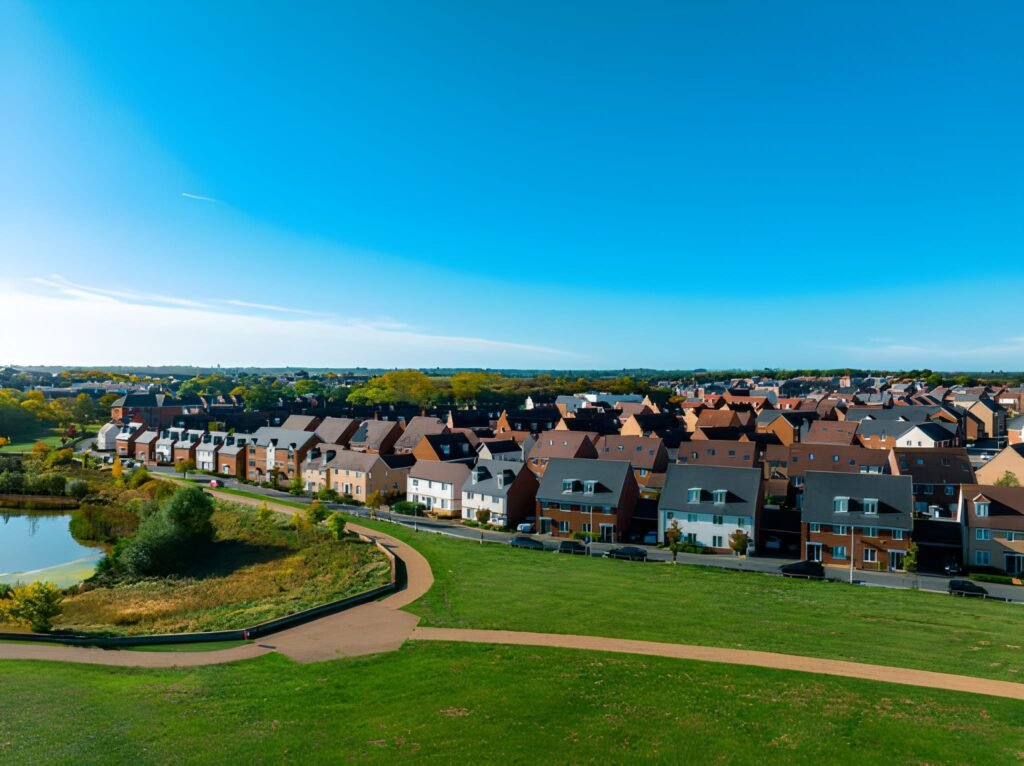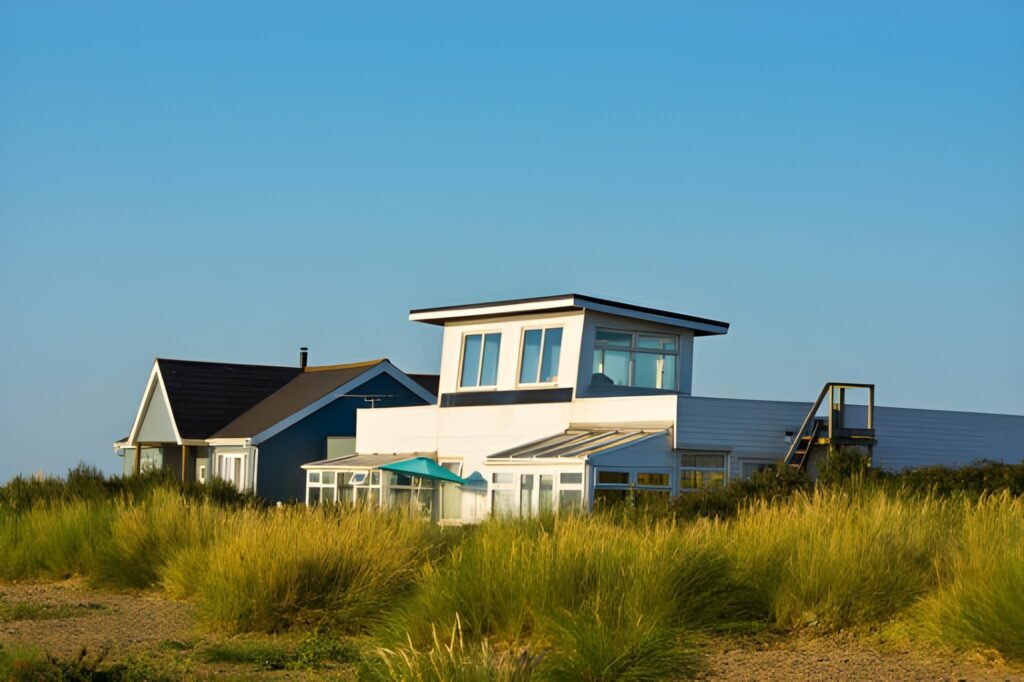
The traditional image of a UK holiday home—a thatched cottage in the Cotswolds or a seaside villa in Cornwall—is well-trodden ground. For a growing number of buyers, the dream is something different. It is about character, narrative, and a connection to a unique lifestyle rather than conventional charm. The coolest holiday homes are found in locations with edge, history, and a distinct sense of place. They cater to niche interests, from art and surfing to industrial heritage and wilderness foraging. This guide explores ten of the UK’s coolest, most unconventional locations for a holiday home, focusing on their unique appeal, the type of buyer they attract, and the practicalities of owning a slice of something truly different.
The New Definition of “Cool” in Property
In this context, “cool” is defined by several factors:
- Authenticity over polish: A raw, genuine character is more valued than manicured perfection.
- Niche community: Proximity to a specific scene—artistic, culinary, athletic, or subcultural.
- Architectural intrigue: Properties with a story, such as conversions, unusual builds, or historical significance beyond the typical.
- Natural access: Immediate, unfiltered access to dramatic landscapes for specific activities.
- Under-the-radar status: Locations that are just before the tipping point of mass popularity.
The following locations have been selected for their potent mix of these qualities.
1. Margate, Kent
The Regenerated Seaside Art Colony.
The Cool Factor: Margate has undergone a staggering transformation from a faded seaside town to a thriving hub for the arts. The catalyst was the Turner Contemporary gallery, but the energy now comes from a wave of artists, designers, and creatives who have relocated from London. It boasts a vibrant old town with independent galleries, vintage shops, and the UK’s oldest dreamland amusement park. The vibe is bohemian, salty, and authentically eclectic.
The Property: Think converted fisherman’s cottages in Cliftonville, spacious artist’s lofts in old townhouses, or apartments with views of the sweeping bay. The dream is a property with space for a studio or that opens directly onto the street life.
Considerations: The regeneration is patchy; some areas remain deprived. Winter can be very quiet and bleakly beautiful. The high-speed rail link to London makes it accessible but also drives demand from weekenders.
Ideal For: Creatives, artists, and those who want a gritty, artistic seaside experience with a strong community feel and excellent transport links.
2. St Ives, Cornwall vs. Penzance, Cornwall
The Established Art Mecca vs. The Grittier Alternative.
The Cool Factor: St Ives, with the Tate and Barbara Hepworth Museum, is the famous art colony. It is undeniably beautiful but also crowded and expensive. The cooler, more attainable alternative is Penzance. It’s a working town with a proud, independent spirit. It has the UK’s only open-air seawater lido (Jubilee Pool), a thriving food scene led by projects like the Mackerel Sky seafood bar, and acts as a gateway to the wild Penwith peninsula.
The Property: In Penzance, you find larger, more affordable Georgian townhouses, often with glimpses of the sea, or apartments in converted buildings. You get more space and a more authentic town life for your money than in St Ives.
Considerations: Penzance has a rougher edge; it’s not a curated tourist experience. The weather on this exposed tip of Cornwall can be extreme.
Ideal For: Buyers who love the far West Cornwall light and landscape but want a more year-round community and better value than the honeypot of St Ives.
3. The Isle of Skye, Scotland vs. The North Coast 500 Mainland
The Mythical Island vs. The Coastal Route Gateway.
The Cool Factor: Skye’s dramatic landscapes are world-famous, leading to issues with overtourism. The cooler play is to buy on the nearby mainland, along the North Coast 500 route. Towns like Ullapool (a whitewashed fishing village) or Durness (with its incredible beaches and caves) offer access to the same epic scenery but with a stronger sense of being a part of the Highlands rather than just visiting them.
The Property: A modern croft house designed to withstand the elements with huge windows framing the landscape, a converted bothy, or a traditional stone cottage. The key is the view and the sense of isolation.
Considerations: This is a serious commitment to remoteness. Accessibility is limited, especially in winter. Management and maintenance from a distance is a major challenge.
Ideal For: Wilderness seekers, serious hikers, and those looking for a true digital detox and a connection to raw, elemental nature.
4. Deal, Kent
The Understated Gallic-Inspired Seafront.
The Cool Factor: Deal is often described as the “new Whitstable” but has a distinct identity. It has a shingle beach, a charming, unspoilt high street with excellent food pubs and boutiques, and a series of quaint Georgian houses directly on the seafront. It feels more refined and less showy than some of its neighbours, with a vibe that has drawn comparisons to Normandy.
The Property: A tall, thin Georgian townhouse with views of the sea and the iconic Deal pier. Many have been beautifully renovated, blending period features with modern design.
Considerations: Prices have risen sharply as its popularity has grown. The beach is shingle, not sand. It can feel sleepy outside of the summer months.
Ideal For: Foodies and design-conscious buyers who want a sophisticated seaside retreat with a strong local community and beautiful architecture.
5. The Peak District Dark Peak, Derbyshire/Yorkshire
The Moody, Moorland Escape.
The Cool Factor: While the White Peak (dales) is beautiful, the Dark Peak offers a cooler, more dramatic aesthetic. Think wild moorlands, gritstone edges, and moody landscapes that inspired the Brontës. Areas like Hope Valley or near Glossop provide immediate access to this terrain for hiking, climbing, and mountain biking. The communities are a mix of old villages and outdoorsy newcomers.
The Property: A converted barn with a wood burner, a stone cottage on the edge of the moor, or a modern eco-build designed to blend into the harsh landscape. The dream is a home that feels like a base camp for adventure.
Considerations: The weather can be harsh and wet. It feels remote, even though it’s accessible from Manchester and Sheffield. Services like broadband can be patchy.
Ideal For: Serious outdoor sports enthusiasts, writers, and anyone drawn to the dramatic, introspective beauty of the British uplands.
6. Folkestone, Kent
The Creative Coastal Town with a Transport Link.
The Cool Factor: Folkestone is in the midst of a deliberate and ambitious creative regeneration. The Creative Foundation has driven this, populating the old town with artist studios, galleries, and independent businesses. The Harbour Arm is a fantastic social space with bars and food stalls, and the annual Triennial art festival brings international work to the streets. It has a buzz that feels organic and planned simultaneously.
The Property: Victorian terraces in the increasingly fashionable Radnor Park area, or apartments in the regenerated harbour district. There are still many properties ripe for renovation.
Considerations: It is a town of contrasts; some areas are still very deprived. The high-speed link to London is a double-edged sword, making it convenient but also increasing demand.
Ideal For: Art lovers and buyers who want to be part of an ongoing urban regeneration story with a strong creative vision.
7. Berwick-upon-Tweed, Northumberland
The Ancient Border Town with a Buzz.
The Cool Factor: Berwick is a fascinating historical anomaly—a walled town that has changed hands between England and Scotland 13 times. This history is palpable. But it’s also developing a surprising contemporary arts scene, with venues like The Maltings theatre and a community of makers. It has spectacular empty beaches nearby, dramatic cliffs, and a real sense of being somewhere different.
The Property: A unique apartment within the fortified Elizabethan walls, a townhouse with views of the iconic bridges over the Tweed, or a converted historic building.
Considerations: It is a long way from major population centres. The weather is cold. The town’s economy is not particularly strong, but this is part of its off-the-map charm.
Ideal For: History buffs, lovers of dramatic coastline, and those seeking a truly unique and narrative-rich location far from the mainstream.
8. Frome, Somerset
The Independent-Minded Market Town.
The Cool Factor: Frome has been consistently named one of the UK’s best places to live, but it retains its cool factor through fierce independence. Its iconic, steep Catherine Hill is a cobbled street lined with brilliant independent shops. The town has a strong ethos of localism, community, and creativity. It’s not coastal or wild; its coolness comes from its culture and spirit.
The Property: A characterful period townhouse in the centre, a cottage on the outskirts, or a modern build in the surrounding hills. The value is better than in nearby Bath.
Considerations: Its popularity is its biggest threat; there are concerns about it being “discovered” and losing its edge. It can feel busy on market days.
Ideal For: Buyers who prioritise a strong, creative community and independent retail over coastal or wilderness access. It’s a lifestyle choice.
9. The Gower Peninsula, South Wales
The Original Designated Area of Outstanding Natural Beauty.
The Cool Factor: The Gower was the first place in the UK designated an AONB for a reason. It has a breathtaking collection of beaches, from the vast three-mile stretch of Rhossili Bay to the secluded coves of Langland. The vibe is active and outdoorsy, centred around surfing, hiking, and coast life. It feels wild and remote but is surprisingly accessible from Swansea.
The Property: A 1960s bungalow ripe for architectural redesign, a traditional stone cottage in a village like Mumbles, or a modern cliff-top build. The planning restrictions keep it pristine but limit new development.
Considerations: The best properties are fiercely contested and come at a premium. The peninsula can be swamped with tourists in summer. The weather is a key factor.
Ideal For: Surfers, beach lovers, and families who want a bucket-and-spade holiday home with some of the UK’s best coastal scenery on the doorstep.
10. The Wye Valley, Herefordshire/Monmouthshire
The Forested, River-Valley Retreat.
The Cool Factor: The Wye Valley is an AONB that feels like a secret. It’s a lush, green world of ancient woodland, limestone gorges, and the meandering River Wye. It’s a destination for kayaking, wild swimming, foraging, and hiking. Towns like Symonds Yat and Tintern (with its famous abbey) are nestled in the landscape. The cool factor is a deep, almost mystical connection to nature.
The Property: A cabin in the woods, a converted ferryman’s cottage on the riverbank, or a unique architectural home built into the valley side. Privacy and a connection to the outdoors are key.
Considerations: It can feel damp and enclosed. The area is not well-served by public transport. Accessibility requires a car.
Ideal For: Naturalists, kayakers, wild swimmers, and those seeking a secluded, green retreat focused on wellness and outdoor activity.
Comparative Analysis: The Vibe vs. The Investment
| Location | Primary “Cool” Vibe | Property Style | Accessibility | Consideration |
|---|---|---|---|---|
| Margate | Bohemian Art Scene | Converted Lofts/Cottages | Excellent (HS1) | Patchy Regeneration |
| Penzance | Independent & Gritty | Georgian Townhouses | Poor (Remote) | Harsh Weather |
| NC500 Mainland | Wilderness & Epic Landscapes | Modern Croft House | Very Poor | Extreme Remoteness |
| Deal | Gallic-Inspired Refinement | Seafront Georgian | Good | Rising Prices |
| Dark Peak | Moody Outdoor Sports | Stone Barn Conversion | Moderate | Harsh Weather |
| Folkestone | Curated Creative Regeneration | Victorian Terrace | Excellent (HS1) | Town of Contrasts |
| Berwick | Historical Anomaly | In-The-Walls Apartment | Poor | Remote, Cold |
| Frome | Independent Community | Period Townhouse | Moderate | Over-Popularity Risk |
| The Gower | Active Beach Life | 60s Bungalow (reno) | Moderate | Summer Crowds |
| Wye Valley | Forested River Retreat | Riverside Cabin | Poor | Enclosed, Damp |
The Financials: Calculating the Cost of “Cool”
While these locations can offer value, the true cost involves more than the purchase price. For a renovation project, a common scenario in these areas, a basic budget calculation is essential.
\text{Total Project Cost} = \text{Purchase Price} + (\text{Renovation Cost per m}^2 \times \text{Size in m}^2) + \text{Contingency}Example: You buy a 100m² fisherman’s cottage in Margate for £300,000 that needs a full refurb. You budget £1,200 per m² for a good quality finish and a 15% contingency.
\text{Renovation Cost} = 100 \times £1,200 = £120,000
\text{Contingency} = £120,000 \times 0.15 = £18,000
This reveals the true investment behind the cool, authentic facade.
Conclusion: The Authentic Investment
Choosing a cool holiday home is an investment in a lifestyle, not just a property. It requires a buyer to value narrative, community, and character over convenience and guaranteed returns. These locations are often in flux—on the cusp of change—which is what gives them their energy but also introduces an element of risk.
The most successful buyers in these markets are those who engage authentically with the community. They become part of the story, not just spectators. They understand that the coolest holiday home is not a static asset to be visited, but a living project that offers a deeper, more rewarding connection to a unique corner of the UK. Do your research, visit out of season, and embrace the imperfections. The reward is a retreat that truly reflects your personality, not a generic idea of what a holiday home should be.