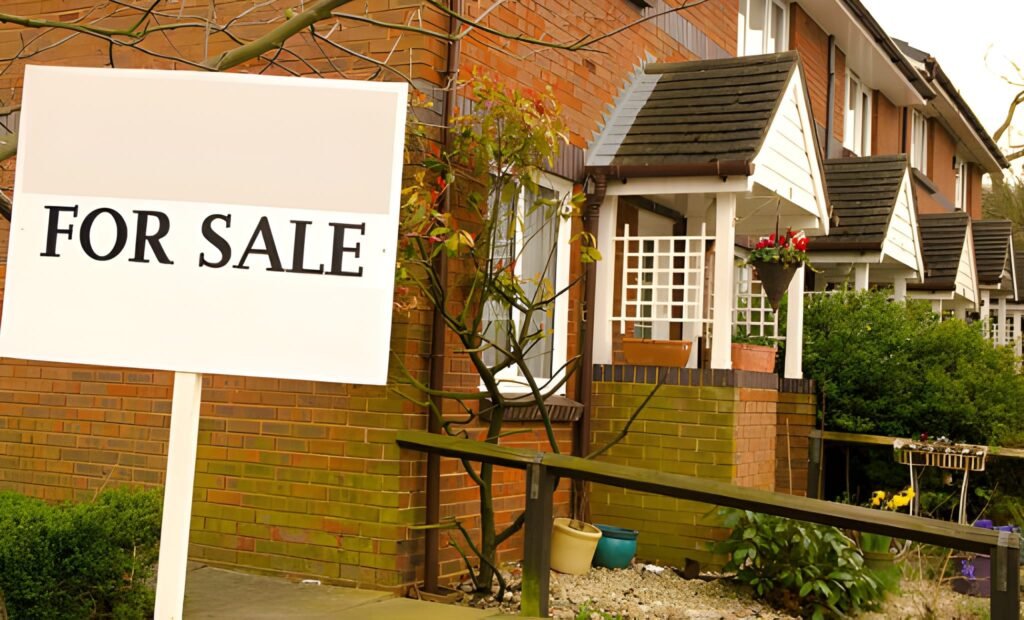
Selling a home requires more than just listing it on a portal. It is a strategic campaign where every detail, from the first online photo to the final negotiation, influences the speed and success of the sale. This comprehensive guide moves beyond basic advice to provide 29 actionable, in-depth strategies designed to accelerate the sale of your property in the competitive UK market.
Phase 1: Pre-Launch Preparation – The Foundation
- Secure an Agreement in Principle for Your Next Purchase: Demonstrating you are a serious, chain-free buyer makes your offer more attractive, potentially incentivising a buyer to choose your property over another.
- Obtain Three Agent Appraisals, But Analyse the Data: Don’t just listen to the valuation figure. Ask each agent for their Comparable Market Analysis (CMA)—a report showing the sold prices of similar local properties. Choose the agent with the most compelling evidence, not the highest number.
- Understand Your ‘Why’: Define your motivation. Needing a fast sale means pricing more aggressively than if you are testing the market. This clarity will guide every subsequent decision.
- Rent a Storage Unit: Begin the decluttering process 8 weeks before listing. Remove out-of-season clothing, excess furniture, books, and kitchen gadgets. A less cluttered home appears larger and more appealing.
- Conduct a Deep Clean: Hire professional cleaners to tackle often-missed areas: inside ovens and windows, skirting boards, light fixtures, and behind appliances. A spotless home signals meticulous maintenance.
- Depersonalise Systematically: Pack away family photos, religious items, trophies, and children’s artwork. The goal is to create a neutral canvas where buyers can envision their own lives.
- Address Minor Repairs: Fix dripping taps, repaint scuffed walls, replace broken light switches, and re-grout where necessary. Small defects raise concerns about larger, hidden issues.
- Neutralise Bold Decor: Repaint feature walls in bold colours (e.g., red, purple) with neutral tones like light grey, magnolia, or white. This makes rooms feel brighter and more spacious.
- Maximise Kerb Appeal: Power-wash patios and paths, repaint the front door, ensure the doorbell works, add two symmetrical potted plants, and clean the windows. The first impression is critical.
- Gather Documentation: Compile all paperwork, including FENSA certificates for windows, building regulations approval for extensions, boiler service records, and warranty information. Having these ready speeds up the legal process later.
Phase 2: Marketing & Presentation – Creating Demand
- Invest in Professional Photography: This is non-negotiable. Professional photos with wide-angle lenses make rooms look larger and brighter, generating more online interest. Avoid amateur phone pictures.
- Commission a Floor Plan: Buyers want to understand the flow and size of rooms. A clear floor plan is expected and prevents time-wasters.
- Create a Virtual Tour: A 360-degree virtual tour allows serious out-of-area buyers to explore the property online, qualifying their interest before an in-person viewing.
- Craft a Compelling Property Description: Work with your agent to write a description that sells a lifestyle, not just rooms. Highlight key features like a new boiler, underfloor heating, proximity to outstanding schools, or a south-facing garden.
- Stage Key Rooms: Set the dining table, arrange tasteful cushions on the sofa, and place a neatly folded towel and a new bar of soap in the bathroom. Create an aspirational vignette.
- Optimise for Online Search: Ensure your agent lists the property on all major portals (Rightmove, Zoopla, OnTheMarket) with the correct parameters (e.g., number of bedrooms, location) to maximise visibility.
- Utilise Social Media: Ask your agent to promote the property on their agency’s social media channels and relevant local community groups.
- Host an Agent Open House: Invite local estate agents to view the property. They may have qualified buyers on their books waiting for a home like yours.
Phase 3: Conducting Successful Viewings – The Conversion
- Implement a “Viewing Ready” Routine: Create a checklist for before each viewing: open all curtains/blinds, turn on all lights, ensure toilets are flushed and seats are down, empty bins, and hide pet paraphernalia.
- Create a Pleasant Ambience: Play soft, neutral music at a low volume. In winter, ensure the house is warm. In summer, open windows for fresh air. Brew coffee or bake bread before a viewing for a welcoming smell.
- Leave the Property: Allow the estate agent to conduct the viewing without you present. Buyers feel uncomfortable criticising a property or discussing finances with the owner listening.
- Provide an Information Sheet: Leave a printed sheet detailing council tax band, broadband speeds, utility suppliers, and any recent renovations. This pre-empts common questions.
- Secure Pets: Take dogs for a walk or to a neighbour during viewings. Secure cats, litter trays, and food bowls out of sight. Not all buyers are animal lovers.
- Highlight Key Features Subtly: Ensure the agent points out valuable but less obvious features: built-in storage, high-quality insulation, newly installed wiring, or water pressure.
Phase 4: Offers, Negotiation & Completion – Closing the Deal
- Be Highly Flexible with Viewing Times: Accommodate viewings in the evenings and on weekends. The more people who see the property, the higher the chance of a quick offer.
- Request and Act on Feedback: After every viewing, insist your agent obtains detailed feedback. If multiple viewers mention the same issue (e.g., “the garden is too small”), you have identified a market perception you must either address or price accordingly.
- Understand the Buyer’s Position: A chain-free first-time buyer with a mortgage agreed in principle is often worth more than a slightly higher offer from someone in a long, fragile chain. Assess the buyer’s seriousness.
- Prepare Your Conveyancer in Advance: Instruct your solicitor as soon as your offer is accepted. Provide them with all the documentation you gathered in Tip #10 to speed up the process.
- Be Ready to Move Quickly: Have a plan for your own move. Research removal companies and have a contingency plan if your purchase is delayed, such as a short-term rental or storage facility.
Selling your home faster is the result of a meticulous, strategic approach that leaves nothing to chance. By executing these 29 steps, you systematically remove barriers to a sale, present your property in its best possible light, and demonstrate to the market that you are a serious, motivated seller. This comprehensive effort transforms your home from just another listing into a compelling, must-view property, dramatically increasing its appeal and ensuring a swift and successful sale.