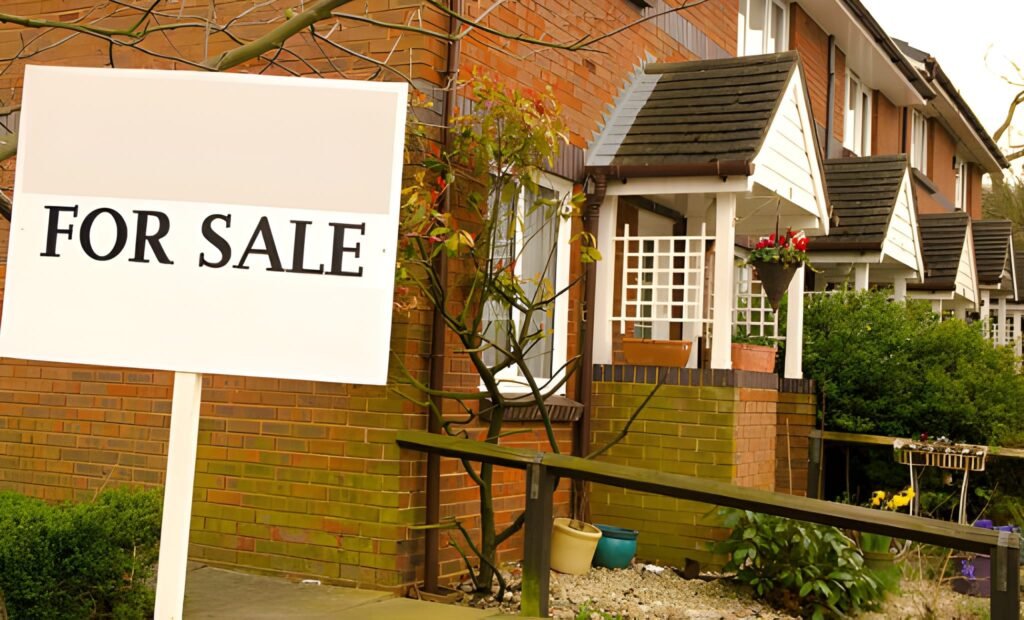
In a competitive property market, the difference between a home that lingers and one that sells quickly often comes down to presentation. Prospective buyers make subconscious judgments within seconds of walking through the door. While major renovations like kitchen extensions rarely offer a full return on investment, targeted, low-cost DIY projects can significantly enhance your home’s appeal, justify your asking price, and dramatically reduce its time on the market. This guide outlines ten strategic projects that focus on maximising perceived value and helping buyers envision themselves living in your space.
1. The Front Door Makeover: Maximising Curb Appeal
The front door is the centrepiece of your home’s first impression. A shabby, faded door suggests neglect, while a smart, welcoming one sets a positive tone for the entire viewing.
The Project: If the door is structurally sound, a thorough refresh is sufficient. Start by removing it from its hinges. Sand down the entire surface to create a key for the new paint. Apply a high-quality, exterior-grade primer. Follow with two thin coats of a modern, bold colour—deep blues, charcoal grey, or heritage green are popular and sophisticated choices that stand out. Replace outdated hardware: a new stainless steel or brushed nickel letterbox, door handle, and knocker can cost under £50 but deliver a premium feel.
Why It Sells: It directly addresses curb appeal, the critical factor that determines a buyer’s initial interest. It signals that the home is well-cared-for, a perception that carries through the entire tour.
2. A Deep, Decluttering Clean Beyond the Standard
This is the most cost-effective project with the highest return. It goes far beyond a weekly tidy; it is a forensic, top-to-bottom cleansing.
The Project: Rent a carpet cleaner for a day (£20 - £30) and revitalise all carpets and rugs. Wash walls, skirting boards, and light switches to remove grime and marks. Descale taps and showerheads. Most importantly, declutter ruthlessly. Remove personal photographs, excessive ornaments, and countertop appliances. The goal is not to show how you live, but to show the space itself. Consider renting a small storage unit for a month (£50 - £100) to store excess furniture and boxes, making rooms appear larger.
Why It Sells: A pristine, clutter-free home appears larger, brighter, and more move-in ready. It allows buyers to project their own lives onto a blank canvas, free from the distraction of your personal belongings.
3. The Magic of Paint: Neutral, Not Sterile
Bold feature walls and personalised colour schemes can be off-putting. The goal is to create a neutral, light, and bright backdrop that feels fresh and modern.
The Project: Repaint any brightly coloured or dated rooms with a neutral, warm palette. Shades like “warm grey,” “off-white,” or “light greige” are safe and appealing. Use a mid-range vinyl matt emulsion for walls and a durable satinwood for woodwork. Don’t forget the ceilings—a fresh coat of brilliant white can reflect more light and make the room feel taller. A single 5L tin of good-quality paint costs approximately £25 - £40 and can cover a small room.
Why It Sells: Neutral colours make spaces feel larger, cleaner, and more modern. They provide a harmonious flow from room to room and eliminate any need for the buyer to immediately budget for repainting.
4. Lighting: Layering for Atmosphere
Harsh, single-point lighting from a central pendant creates unflattering shadows and a cold atmosphere. Creating layers of light is a sophisticated touch that buyers notice subconsciously.
The Project: Install simple, inexpensive plug-in lamps in key areas. Place a floor lamp in a dark corner of the living room and table lamps on side tables. In the kitchen, under-cabinet LED strip lighting (a simple DIY job with peel-and-stick strips) is transformative, providing excellent task lighting and a modern feel. Ensure all bulbs are the same colour temperature (aim for “warm white,” around 2700-3000 Kelvin) to avoid a jarring mix of cool and warm light.
Why It Sells: A well-lit room feels warm, inviting, and spacious. It highlights the home’s best features and creates an emotional response of comfort and homeliness.
5. Bathroom & Kitchen Grout Revival
Dingy, mouldy grout is a major turn-off, screaming damp and lack of hygiene. Replacing it is laborious, but cleaning and renewing it is a simple DIY win.
The Project: For a deep clean, use a dedicated grout whitener and a stiff brush. For a more permanent solution, use a grout pen to paint over discoloured lines. This creates a crisp, new look without the mess of regrouting. Ensure the bathroom is well-ventilated during and after the process to prevent mould returning. A grout pen costs around £10.
Why It Sells: It makes tiled areas look brand new with minimal effort. It signals to the buyer that the home is clean and well-maintained down to the smallest detail, alleviating concerns about hidden mould or moisture issues.
6. Garden Tidy & Staging
The garden is an outdoor room, and buyers will visualise themselves using it for relaxation and entertainment. An overgrown or messy garden suggests hard work and expense.
The Project: This is about tidying, not landscaping. Mow the lawn, edge the borders, weed thoroughly, and prune overgrown shrubs. Power-wash patios and decking to remove slime and moss. Then, stage the space. Add a small bistro table and two chairs (£50 - £100), a potted plant, and perhaps a hanging basket by the door. This shows the garden’s potential as a living space.
Why It Sells: It frames the garden as a low-maintenance, ready-to-use asset rather than a project. It increases the perceived square footage and livability of the property.
7. The Illusion of Space: Mirrors and Strategic Furnishing
Making rooms feel larger is a powerful psychological tool, especially for smaller homes or apartments.
The Project: Place a large, well-proportioned mirror opposite a window to double the natural light and reflect the outside view. In narrow hallways, a mirror can make the space feel twice as wide. Ensure furniture is to scale; replace a large, bulky sofa with a smaller, more elegant one to open up the floor space.
Why It Sells: It directly tackles a key buyer objection: “is this room big enough?” By creating an illusion of space, you expand the perceived value of the property.
8. Fix the Minor Niggles
A long list of small, unresolved issues—a dripping tap, a sticking door, a missing tile, a broken door handle—creates a narrative of neglect. It leads buyers to wonder, “if they didn’t fix this, what else is wrong?”
The Project: Walk through your home with a notepad and be brutally honest. Note every tiny fault. Spend a weekend methodically fixing them. Tighten cabinet handles, oil squeaky hinges, replace blown lightbulbs, fill small holes in the walls, and fix that dripping tap washer (a repair that costs pence).
Why It Sells: It presents a home that is meticulously maintained. It subconsciously assures the buyer that the property has been loved and that there will be no nasty surprises, justifying confidence in your asking price.
9. Create a “Feature” in a Dead Space
Many homes have an awkward nook or dead space. Instead of leaving it empty or using it for storage, stage it with a purpose.
The Project: Turn an under-stairs nook into a small home office with a desk, chair, and a piece of art. Convert a bedroom alcove into a reading area with a chair and lamp. Style a wide hallway landing with a console table and a mirror. This shows buyers smart, functional uses for every square foot.
Why It Sells: It demonstrates the functionality and potential of the space, helping buyers overcome mental blocks about awkward layouts. It adds character and a sense of possibility.
10. The Final Touch: Sensory Staging
A viewing is a sensory experience. The goal is to create a neutral, pleasant atmosphere that feels like a luxury hotel, not a lived-in home.
The Project: Before each viewing, ensure the home is spotless and well-ventilated. Then, introduce subtle, universally appealing scents. Bake a simple loaf of bread or brew a pot of coffee—these are classic, comforting smells. Alternatively, use a diffuser with a neutral scent like vanilla or linen. Play quiet, instrumental music in the background at a low volume.
Why It Sells: It creates an emotional connection. Pleasant smells and soft music trigger positive feelings of comfort and luxury, making buyers feel immediately at home and subconsciously more attached to the property.
Budget & ROI Table
| Project | Estimated Cost (£) | Time Investment | Key Impact |
|---|---|---|---|
| Front Door Makeover | 50 – 150 | 1 Day | Maximises crucial first impression. |
| Deep Clean & Declutter | 50 (storage) | 2-3 Days | Makes home feel larger, cleaner, and ready. |
| Neutral Paint | 100 – 200 | 1-2 Days | Modernises, brightens, and appeals to all. |
| Layered Lighting | 50 – 100 | 1/2 Day | Creates atmosphere and highlights space. |
| Grout Revival | 10 – 20 | 1/2 Day | Signals meticulous hygiene and care. |
| Garden Tidy & Staging | 50 – 150 | 1 Day | Frames garden as a usable living space. |
| Mirrors & Space Illusion | 50 – 100 | 1/2 Day | Directly addresses perceived size concerns. |
| Fixing Minor Niggles | 20 – 50 | 1 Day | Presents a perfectly maintained property. |
| Creating a Feature | 50 – 100 | 1/2 Day | Demonstrates functionality and potential. |
| Sensory Staging | 10 – 20 | 10 mins/viewing | Creates positive emotional connection. |
| Total Estimated Outlay | 440 – 940 | ~10 Days | Significantly faster sale, closer to asking price. |
Conclusion: The Psychology of the Sale
These projects are not about deception; they are about presentation. They remove barriers to the sale by eliminating objections related to maintenance, space, and cost. By investing a modest sum and a focused effort into these ten strategic areas, you fundamentally shift the narrative of your property. You move it from being just another listing to being a turn-key, desirable home that feels cared for, spacious, and ready for its next chapter. In a market where perception is everything, these DIY projects provide the greatest possible return: a swift, successful sale.