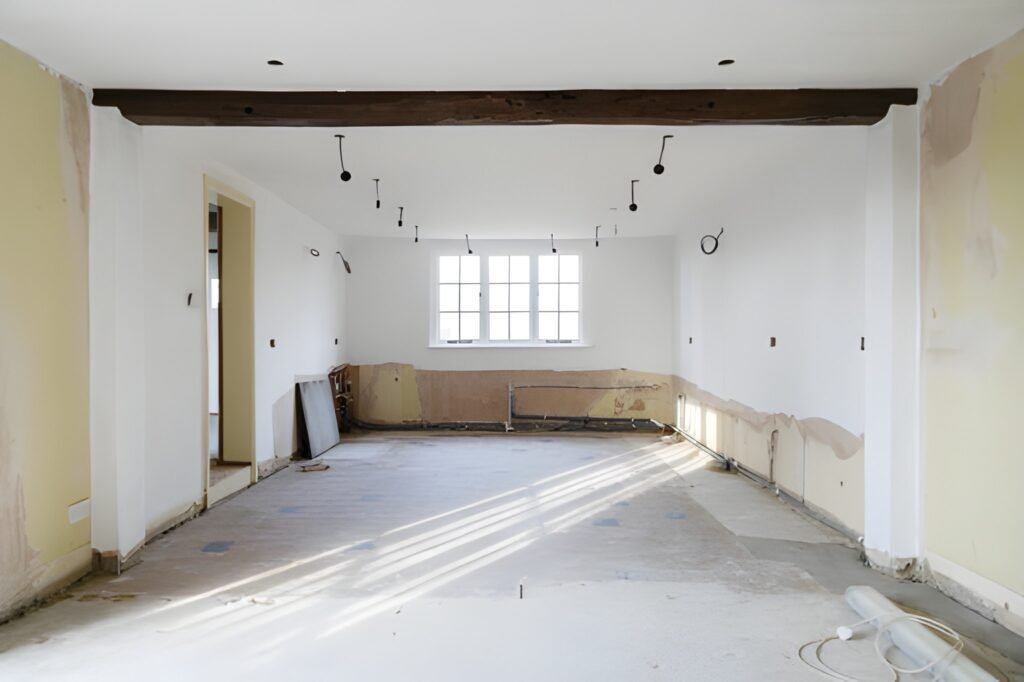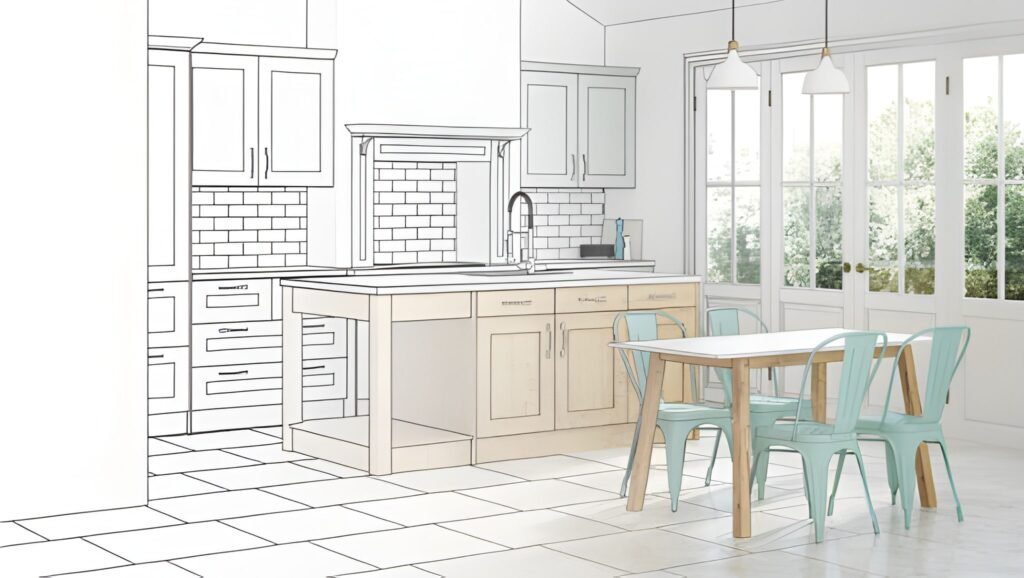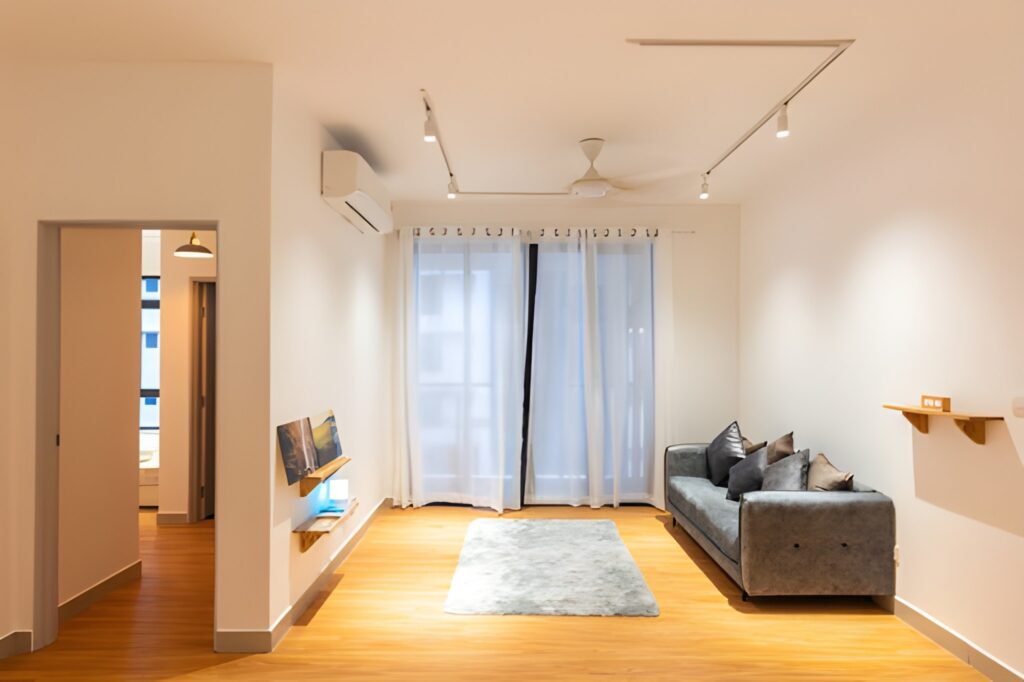
A one-bedroom apartment renovation is a unique exercise in precision and creativity. Unlike a house, where space can be a given, the compact footprint of an apartment demands a strategy where every decision must serve multiple purposes. The goal is not merely to decorate, but to fundamentally re-engineer the space to feel larger, brighter, and more fluid, while providing a level of organisation that belies its size. This is a project that rewards intelligent design over sheer square footage, transforming a simple living unit into a highly personalised and supremely efficient sanctuary.
The Foundational Philosophy: Curated Space
Before selecting a single tile or paint colour, the most critical step is to adopt a new mindset. In a one-bedroom apartment, space is the ultimate luxury. The guiding principle must be one of curation and intentionality. Every object, every piece of furniture, and every architectural element must justify its presence. The renovation should focus on creating a sense of openness and flow, eliminating visual clutter, and ensuring that storage is not an afterthought but an integrated feature of the design.
Strategic Layout Reconfigurations
The most impactful changes often involve challenging the existing layout. While structural walls may be immovable, particularly in leasehold apartments, there are powerful non-structural strategies.
- The Intelligent Studio-Style Merge: The classic separation between a small, dark kitchen and a separate living room is a common flaw. By removing a non-structural partition wall, you can create a unified kitchen-living-dining area. This instantly makes the apartment feel double its size. The key is to use design to create subtle zones without physical barriers. A change in flooring, a differentiating light fixture, or a strategically placed sofa can define the living area from the cooking space without the claustrophobia of walls.
- The Bedroom as a Flexible Sanctuary: The bedroom should be a retreat, not a repository for clutter. If the layout allows, consider repositioning the bed to maximise floor space. A more radical, yet highly effective, idea is to use a floor-to-ceiling sliding or pocket door instead of a standard swing door. This saves the arc space and creates a more open, gallery-like connection to the living area when desired.
- The Alcove as an Asset: Period apartments often have recessed alcoves on either side of a chimney breast. These are not minor features; they are prime real estate. Design and build floor-to-ceiling, bespoke joinery for these spaces. On one side, create a home office nook with integrated desk and shelving. On the other, build a media centre or a library. This eliminates the need for freestanding furniture that encroaches on the room.
The Integrated Storage Revolution
Storage in a one-bedroom apartment cannot be an add-on. It must be woven into the architecture.
- The Floor-to-Ceiling Philosophy: Never stop storage at standard height. Taking cabinets and shelving all the way to the ceiling draws the eye upward, emphasising room height, and provides invaluable space for seasonal or rarely used items.
- The Multifunctional Bed: Invest in a bed frame with deep, integrated drawers. This simple change can provide the equivalent storage of a large chest of drawers, freeing up significant floor space in the bedroom.
- The Kitchen as a Storage Powerhouse: Opt for tall, full-height larder units rather than multiple base and wall units. Use every inch of internal space with pull-out larder shelves, cutlery dividers, and corner carousels. Consider an appliance garage to hide a toaster and kettle, keeping countertops clear.
Material and Colour Strategy: The Illusion of Space
The selection of materials and colours is a scientific approach to manipulating perception.
- A Unified Flooring Continuum: Use the same flooring material throughout the entire apartment, excluding only the bathroom. Large-format, light-toned porcelain tiles or light oak-engineered wood planks laid in a continuous run make the space feel cohesive and expansive. The fewer visual breaks, the larger the space appears.
- A Monochromatic and Light Palette: This does not mean sterile white. It means selecting a single, light base colour (e.g., a pale grey, off-white, or warm beige) and using it on walls, woodwork, and even ceilings. Introduce texture and depth through different materials—a wool rug, a linen sofa, a velvet cushion—rather than stark colour contrasts. This creates a calm, uninterrupted visual field.
- Strategic Reflection: Mirrors are a classic tool for a reason, but they must be used strategically. A large mirror placed on a wall perpendicular to a window will bounce light deep into the room, making it feel brighter and more open. A mirrored splashback in the kitchen can perform the same function.
Lighting: The Unseen Architecture
A single central light fixture creates pools of light and shadow, making a small space feel cavernous. The solution is a layered lighting plan.
- Ambient Layer: This is the general illumination. Recessed, dimmable LED downlights provide a clean, unobtrusive base layer of light.
- Task Layer: This includes under-cabinet LED strip lighting in the kitchen, a focused reading lamp by the sofa or bed, and a pendant light over the dining table.
- Accent Layer: Use this to create drama and highlight features. A picture light over artwork, a small LED strip inside a display shelf, or uplighting in a plant corner adds depth and sophistication.
Furniture Strategy: The Scale and Function Imperative
Furniture can make or break a small apartment.
- The Low-Slung and Leggy Rule: Choose sofas and armchairs with low profiles and exposed legs. This allows the eye to see under and beyond the furniture, enhancing the sense of space and airiness.
- The Double-Duty Doctrine: Every significant piece of furniture should serve at least two functions. An ottoman should have internal storage. A console table should double as a desk. A bookshelf should act as a room divider. A drop-leaf dining table can be compact for daily use and expand for entertaining.
- Avoid Over-Scaling: A huge, overstuffed sectional sofa will overwhelm the room. Opt for a elegant two or three-seater model, complemented by a separate armchair for additional seating.
The Bathroom and Kitchen: A Cohesive Language
Even the smallest bathroom and kitchen can be transformed. In the bathroom, a wall-hung vanity unit creates a floating effect, making the floor space appear larger. A large, plain-coloured tile will feel less busy than a small, patterned one. In the kitchen, handleless cabinets in a light, matte finish provide a streamlined look. Integrating the refrigerator and dishwasher behind cabinet fronts creates a seamless, calm appearance.
A one-bedroom apartment renovation is a masterclass in efficiency. It proves that a well-considered design, focused on maximising every centimetre through intelligent storage, a cohesive material palette, and strategic lighting, can create a home that feels not just adequate, but profoundly generous and perfectly tailored to the life lived within it. The result is a space that feels not small, but curated; not cramped, but comfortingly complete.