The dream of homeownership in the UK often feels defined by its unattainability, with headlines dominated by national averages soaring past a quarter of a million pounds. Yet, beneath this daunting figure lies a different reality: a market of properties available for under £200,000. This price point, once a standard entry into the market, now represents a specific and strategic search. Finding a home at this level is not about compromise alone; it is about understanding the new geography of affordability, redefining what constitutes a home, and making informed trade-offs between location, type, and condition.
This guide moves beyond simplistic lists to provide a strategic framework for finding and securing a home under £200,000. We will explore where to look, what to expect, the financial mechanics of a purchase at this level, and the practical realities of life in the UK’s most affordable pockets.
The New Geography of Affordability
The first, and most critical, truth is that affordability is now deeply geographical. A budget of £200,000 will be largely irrelevant in much of Southern England but can provide genuine choice in other parts of the country. The map of opportunity has been redrawn.
The North-South Divide in Sharp Relief: The Land Registry’s price data paints a clear picture. As of early 2024, the average house price in the North East of England was approximately £160,000. In the South East, it was over £385,000. This means a £200,000 budget is above average in one region and barely a deposit in another.
Target Regions: Your search must focus on the areas where this budget is competitive:
- North East England: The most affordable region in England. Cities like Middlesbrough, Hartlepool, and Sunderland offer a high proportion of sub-£200k properties.
- North West England: Major cities like Liverpool and Manchester have centres that exceed this budget, but their surrounding towns—St Helens, Bolton, parts of Wirral—offer significant options.
- Yorkshire and the Humber: Hull, Bradford, and certain areas of Sheffield and Leeds present opportunities.
- Scotland: Offers excellent value outside of Edinburgh and its immediate commuter belt. Glasgow, while becoming more expensive, still has options, as do cities like Aberdeen and Dundee.
- Wales: Areas like the South Wales Valleys (e.g., Rhondda Cynon Taf) and parts of North Wales (e.g., Wrexham) provide affordable entry points.
Table 1: What £200,000 Buys You Across the UK
| Location | Property Type Examples | Realistic Expectations |
|---|---|---|
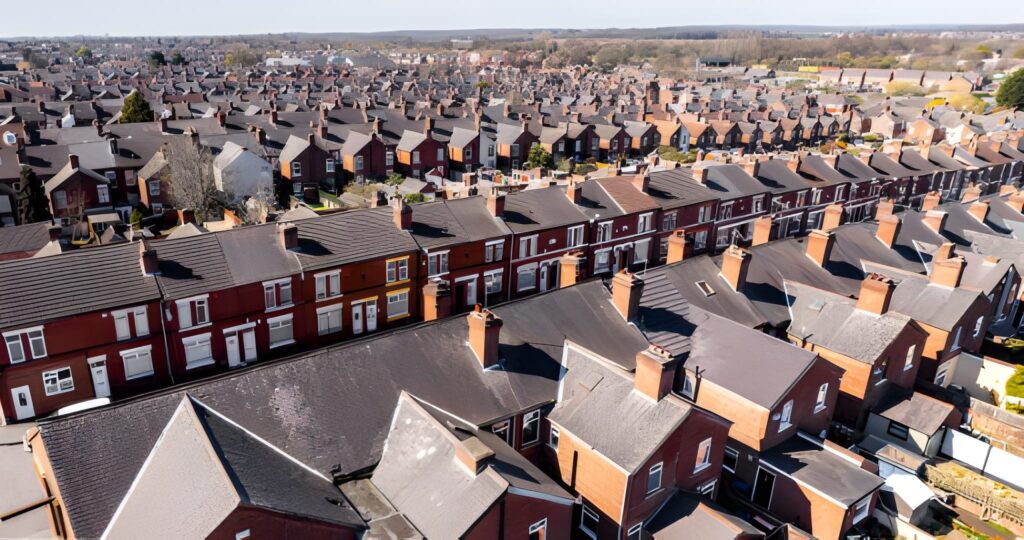
| North East England | 3-bed semi-detached house, 2-bed terrace with garden. | Often Victorian/Edwardian terraces, some modern semis. May require cosmetic updating. |
| Liverpool/Manchester (outer areas) | 2-bed terrace, 1-bed apartment in a converted house. | Often period properties. Apartments may be ex-local authority. Good transport links. |
| Central Scotland (e.g., Falkirk) | 2-bed modern apartment, 3-bed ex-local authority semi. | Good mix of period and modern. Good commuter links to Edinburgh/Glasgow. |
| South Wales Valleys | 3-bed semi-detached, 2-bed end-of-terrace with views. | Often 20th-century housing stock. Larger gardens, more space for money. |
| Cornwall/Devon (rural exceptions) | 1-bed cottage, small park home, studio. | Limited and highly competitive. Often requires significant compromise on size or condition. |
The Financial Mechanics of a £200,000 Purchase
Understanding the numbers is crucial to making this budget work.
Deposit and Mortgage: Assuming a 10% deposit, a buyer would need to save £20,000. This would secure a mortgage of £180,000.
Example Calculation: Monthly Mortgage Costs
Mortgage of \pounds 180,000 over a 25-year term at an interest rate of 4.5%.
Monthly Repayment: Using the standard formula for a full repayment mortgage:
The monthly payment M is given by:
M = P \frac{r(1+r)^n}{(1+r)^n - 1}
Where:
- P = \pounds 180,000 (principal loan amount)
- r = \frac{0.045}{12} = 0.00375 (monthly interest rate)
- n = 25 \times 12 = 300 (number of payments)
M = 180,000 \times \frac{0.00375(1+0.00375)^{300}}{(1+0.00375)^{300} - 1} \approx \pounds 999 per month.
This is a crucial calculation. A £1,000 monthly mortgage payment is significantly more affordable than rents in many areas, but it must be factored into a robust budget that includes council tax, utilities, insurance, and maintenance.
Additional Costs: Remember to budget for upfront costs, which can total £5,000-£7,000:
- Stamp Duty Land Tax (SDLT): First-time buyers pay £0 SDLT on the first £425,000 of a property costing up to £625,000. For anyone else, the SDLT on £200,000 is (200,000 - 125,000) \times 0.05 = \pounds 3,750. (Note: Thresholds differ in Scotland and Wales).
- Conveyancing Fees: £1,000 – £1,500.
- Survey Costs: £400 – £800.
- Mortgage Arrangement Fee: £0 – £1,500 (can often be added to the loan).
What to Expect: Property Types and Compromises
A budget of £200,000 requires a clear-eyed view of the market. The properties available will typically fall into several categories:
- The ‘Doer-Upper’: Often a Victorian or Edwardian terrace in a less fashionable part of a town. It will be structurally sound but require significant investment in kitchens, bathrooms, décor, and potentially heating systems. This can be a path to adding value, but requires a realistic budget and timeline for renovations.
- The Ex-Local Authority Property: These can be some of the best-value homes in the UK. Often well-built, spacious, and located in established communities. Some may have restrictions on resale or require a higher deposit from lenders, so due diligence is essential.
- The Modern Apartment: In many northern and midland cities, £200,000 can buy a comfortable one or two-bedroom apartment in a modern block. Be mindful of service charges and ground rents, which can add hundreds of pounds to your annual costs.
- The Retirement Bungalow/Park Home: These are niche options. Retirement properties often have age restrictions and can come with high service charges. Park homes are a form of chattel (you own the structure, not the land) and have complex financing and resale considerations.
The Strategy: How to Secure an Affordable Home
- Embrace Location: Be open-minded and research towns with good transport links to employment centres. Look for areas with regeneration plans or where the “ripple effect” from a pricier city is just beginning.
- Find a ‘Tenacious’ Estate Agent: Register with local agents in your target areas. Explain your budget and criteria clearly. The best properties at this price point often sell quickly and may not be widely marketed online.
- Move Fast but Be Prepared to Walk: Have your mortgage Agreement in Principle ready. If a property feels right and is priced correctly, be ready to move quickly. Conversely, if a survey reveals significant issues, be prepared to walk away. Emotional purchases can be disastrous at this budget level.
- See Beyond the Cosmetic: Look for properties with good “bones”—a sound structure, a good layout, and a decent location. Ugly décor, outdated carpets, and an overgrown garden can be fixed and often hide a great opportunity.
- Consider the Auction Room: Properties can often be purchased below market value at auction. However, this is a high-risk strategy requiring significant research, a non-refundable deposit, and the ability to exchange contracts immediately. It is not for the faint-hearted or inexperienced.
Conclusion: A Achievable Goal with a Strategic Mindset
Finding a home for under £200,000 in the UK is a challenging but entirely achievable goal. It requires a fundamental shift in perspective: away from the markets dominated by national headlines and towards the areas where local economies and housing markets tell a different story.
Success hinges on strategy, not luck. It is defined by financial preparedness, geographical flexibility, and a pragmatic understanding that the perfect home at this price point is one that offers security and potential, not perfection. By focusing on the fundamentals of structure, location, and community, and by embracing the opportunity to add value through renovation or simply through time, buyers can still find sanctuary and a secure financial footing in the UK property market. The door to homeownership is not closed; it has simply moved to a different postcode.