The UK property market presents a perpetual choice between period charm and modern convenience. While Victorian terraces and Edwardian semis hold an undeniable allure, the new-build sector offers a compelling, distinct proposition. Purchasing a property straight from the developer is not merely a transaction; it is an investment in a product, a warranty, and a specific lifestyle. The decision hinges on a clear-eyed assessment of priorities, weighing upfront cost against long-term value, and romantic character against predictable efficiency.
This analysis outlines the ten most persuasive reasons for choosing a new-build home. It moves beyond marketing claims to examine the tangible benefits that resonate with a growing segment of UK buyers, from first-time purchasers seeking simplicity to downsizers prioritising comfort and low maintenance.
1. The Certainty of a Blank Canvas
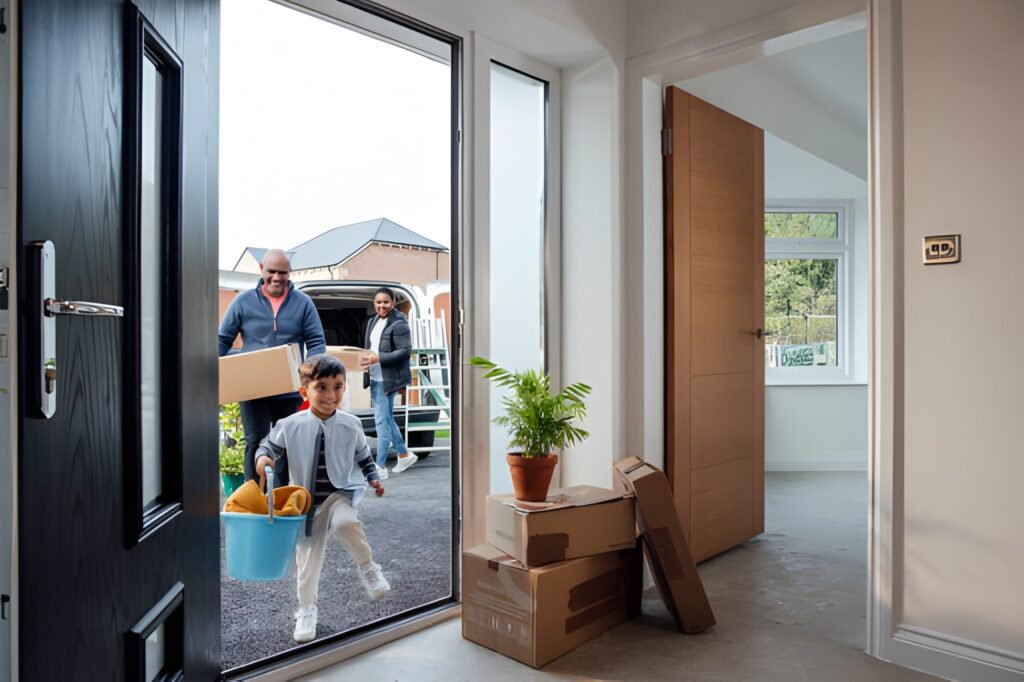
A new-build home is just that: new. You are the first person to live within its walls. This brings a profound sense of cleanliness and ownership. There are no layers of someone else’s history, no lingering odours from previous occupants’ cooking or pets, and no hidden wear and tear in carpets or fixtures. Every surface, fitting, and appliance is pristine and unused. This blank canvas offers a psychological fresh start, allowing you to imprint your own personality from day one without the need to erase the traces of the past.
2. Minimal Immediate Maintenance
Perhaps the most significant practical advantage is the respite from major maintenance costs. In an older property, a buyer must immediately budget for replacing an ageing boiler, repairing a leaky roof, or updating outdated wiring. A new-build eliminates this concern.
The Financial Benefit:
Assume an older property requires £5,000 of urgent repairs in the first year. The effective cost of a £300,000 new-build, when compared to a £295,000 older property needing work, is comparable.
This financial breathing space allows new owners to allocate funds towards furnishings, savings, or simply enjoying their new home without the looming anxiety of a large, unexpected bill.
3. The Comprehensive NHBC Warranty
New-build homes in the UK typically come with a 10-year warranty, most commonly from the National House Building Council (NHBC). This warranty is a powerful form of consumer protection, structured in two key phases:
- Years 1-2: The Builder Guarantee Period. The developer is directly responsible for fixing any defects that arise, from snagging items like plaster cracks to major issues. They are legally obligated to put things right.
- Years 3-10: The Structural Warranty Period. This insurance-backed guarantee covers major structural problems with the building, such as issues with the foundations, load-bearing walls, or roof.
This warranty provides unparalleled peace of mind, ensuring your single largest investment is protected against significant structural defects for a decade.
4. Superior Energy Efficiency
Building Regulations have become increasingly stringent, mandating high levels of energy efficiency. Modern new-builds are designed to minimise heat loss and reduce carbon emissions.
The Calculation:
An older, solid-wall Victorian house might have an Energy Performance Certificate (EPC) rating of D or E. A typical new-build must achieve a B or A rating.
- Older Home Energy Cost: Could be £2,000+ per year for gas and electricity.
- New-Build Energy Cost: Often below £1,000 per year due to superior insulation, double or triple glazing, and modern heating systems like air source heat pumps.
The annual saving is substantial:
Annual Saving = £2,000 - £1,000 = £1,000This efficiency is not only kinder to the environment but also a crucial defence against rising energy prices, providing long-term financial savings and a more comfortable living environment free from drafts.
5. Modern Design and Lifestyle Layouts
New-builds are designed for contemporary living. They reflect how people live today, not a century ago. This translates into:
- Open-Plan Living: Large kitchen-diner spaces that form the heart of the home, perfect for entertaining and family life.
- Fitted Storage: Integrated wardrobes, cupboard space, and utility rooms that maximise space and reduce clutter.
- Multiple Bathrooms: It is now standard for new homes to have an ensuite to the main bedroom and a family bathroom, reducing morning queues.
- Low-Maintenance Materials: Features like uPVC windows, composite doors, and rendered exteriors require little upkeep compared to their period counterparts.
6. Enhanced Safety and Security
New homes are built to the latest safety standards. They include:
- Modern Electrical Systems: Wiring that can handle today’s high demand for technology, with numerous sockets and circuits protected by residual-current devices (RCDs).
- Fire Safety: Hardwired, interlinked smoke and heat alarms on every floor are now mandatory.
- Security: High-specification doors and windows with multi-point locking systems are standard, often complemented by features like external lighting and neighbourhood design that promotes natural surveillance.
7. Community and Infrastructure
Developments are often master-planned, creating entirely new communities. This can include:
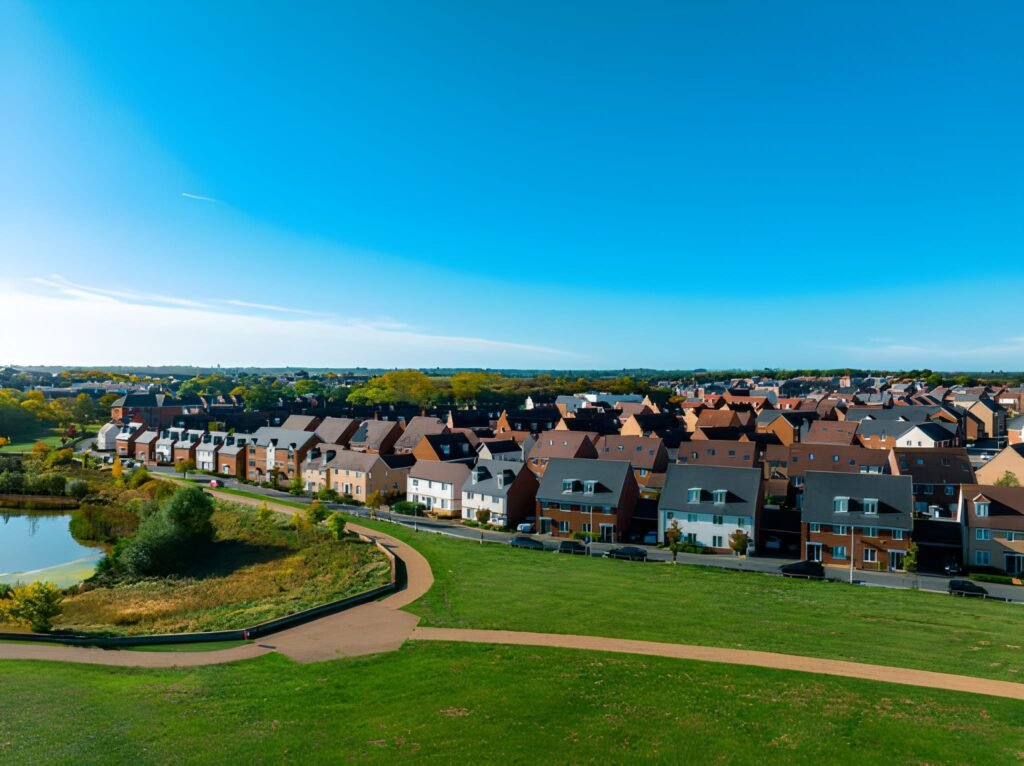
- Dedicated Green Spaces: Parks, play areas, and nature trails woven into the fabric of the development.
- New Infrastructure: Contributions from developers (Section 106 agreements) often fund new schools, medical centres, and road improvements.
- A Sense of Community: Moving into a development where everyone is new fosters a strong sense of community spirit from the outset.
8. Simplified Buying Process
The purchase process for a new-build can be more streamlined. Help to Buy schemes (now closed to new applications but with legacy purchases completing) and the new Mortgage Guarantee Scheme are often tailored towards new construction. Furthermore, developers frequently offer incentives like paying your stamp duty or covering legal fees, which can reduce the upfront financial burden.
9. Chain-Free Purchase
Buying from a developer means there is no upward chain. You are not dependent on another person’s purchase completing before you can move. While you may have to wait for the property itself to be built, once it is ready, the completion date is fixed and reliable, removing a major source of stress and uncertainty that causes many traditional property sales to fall through.
10. Potential for Capital Growth
While new-builds often attract a price premium, well-chosen developments in areas with strong regeneration plans can offer excellent capital growth prospects. Being an early purchaser in a burgeoning community can allow you to benefit as local amenities improve and the area becomes more established and desirable.
Table: New-Build vs. Older Property – A Comparative Overview
| Factor | New-Build Home | Older Property |
|---|---|---|
| Initial Condition | Pristine; ready to move into. | Variable; may require immediate work. |
| Running Costs | Low; high energy efficiency. | High; poor insulation leads to larger bills. |
| Maintenance | Minimal for first 5-10 years. | Constant; ageing roof, boiler, wiring etc. |
| Warranty/Protection | 10-year NHBC warranty. | None; buyer is responsible for all defects. |
| Layout & Design | Modern, open-plan, suited to contemporary life. | Often compartmentalised; can be impractical. |
| Purchase Process | Can be simpler; often chain-free. | Complex; dependent on a chain of buyers/sellers. |
| Character | Clean, modern, and neutral. | Established gardens, period features, history. |
| Customisation | Often options to choose finishes pre-completion. | You inherit the previous owner’s choices. |
Conclusion: A Calculated Choice
Choosing a new-build home is a decision that prioritises predictability, efficiency, and modern convenience over the character and potential unpredictability of an older property. It is a choice for those who value their time and wish to avoid the constant maintenance and high energy bills that often come with period homes.
The premium paid for a new-build is not merely for the bricks and mortar; it is an investment in a warranty, in lower future costs, and in a specific, hassle-free lifestyle. For the first-time buyer, it offers a gentle introduction to homeownership. For the busy professional or downsizer, it provides a lock-up-and-leave ease. The decision is not about which is objectively better, but about which set of benefits—modern efficiency or period charm—best aligns with your personal priorities and stage of life.