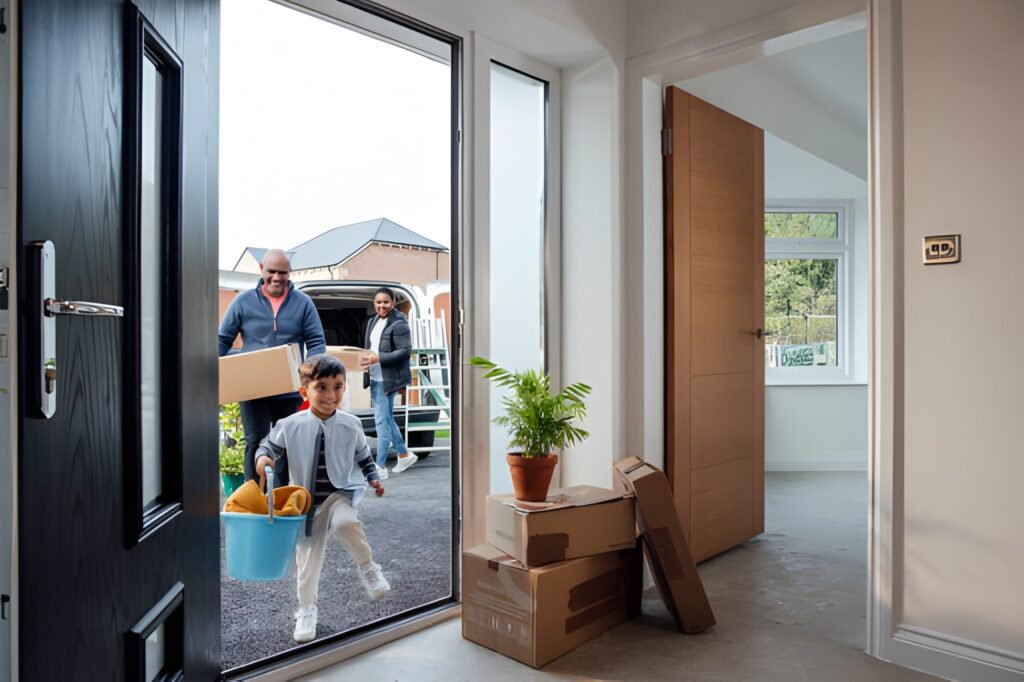
The moment you get the keys to your new home is one of pure exhilaration, quickly followed by a wave of reality as you step into empty rooms that echo with possibility and responsibility. The urge to immediately furnish every corner is strong, but a strategic approach is vital for both your budget and your sanity. The first purchases for a new home are not about interior design; they are about function, security, and well-being. This guide separates the essential from the aspirational, providing a practical framework for prioritising your spending in those critical first days and weeks.
The “Day One” Survival Kit: Before You Move a Single Box
Imagine arriving at your new property, tired from the move, and realising you cannot make a cup of tea, wash your hands, or see in the dark. A small box or bag containing absolute essentials will transform this stressful scenario into a manageable one. This kit should be packed separately and be the first thing you bring into the house.
The Essentials Box Should Contain:
- Cleaning Supplies: All properties, even new builds, need a clean before you unpack. Include multi-surface spray, kitchen roll, bin bags, washing-up liquid, and rubber gloves.
- Basic Tools: A multi-head screwdriver, an adjustable spanner, a hammer, and a roll of duct tape can solve a surprising number of immediate problems, from assembling flat-pack furniture to tightening a loose tap.
- Lighting: A torch or a portable LED lamp is crucial. You may arrive after dark, or existing light fixtures might be without bulbs.
- Refreshments: A kettle, tea, coffee, sugar, long-life milk or a small bottle of fresh milk, biscuits, and bottled water. Sustenance is key for a long moving day.
- Vital Documents: Keep your completion statement, mortgage documents, and home insurance details in a safe, easily accessible place.
- Personal Items: A change of clothes, basic toiletries, and any necessary medication.
The First 24 Hours: Security, Safety, and Sanity
Once you have your essentials box, your focus should shift to making the property secure and functional. These are non-negotiable purchases that protect your investment and your person.
1. Security First: Changing the Locks
This is the single most important first purchase for your safety. You have no idea how many copies of the existing keys are in circulation from previous owners, estate agents, or contractors. Budget for a locksmith to change the barrels on all external doors on day one. It is a small price for profound peace of mind.
2. Utility Fundamentals
- Light Bulbs: Check the fittings (Bayonet Cap or Edison Screw) and buy a multi-pack of LED bulbs for each room. Good lighting instantly makes a house feel like a home.
- Toilet Plunger and Brush: An unglamorous but critical purchase. Avoid an immediate crisis.
- Shower Curtain or Fitting: If your shower requires one, buy it in advance. The first shower after a moving day is a necessity.
3. Window Coverings
Privacy and security are paramount. Even if you dream of bespoke blinds, temporary solutions are essential for the first night. Measure your windows before you move and purchase inexpensive paper blinds or blackout liners that can be tacked up immediately. This provides privacy and can help you sleep.
The First Week: Building Functionality Room-by-Room
After addressing immediate needs, you can begin to build a baseline of functionality. Prioritise rooms based on use: the bedroom and kitchen are more important than the living room at this stage.
The Kitchen: The Heart of the Home
Start with the absolute basics for preparing food and cleaning. Avoid buying a full matching set of everything immediately.
Priority Purchases List:
- A decent chef’s knife: One good knife is better than a full block of poor-quality ones.
- Two chopping boards: One for meat, one for everything else.
- Basic pans: One large saucepan, one frying pan.
- Cooking utensils: A spatula, a wooden spoon, and a slotted spoon.
- Food storage: A set of reusable containers for leftovers.
- Washing-up equipment: A washing-up bowl, brush, and tea towels.
- A microwave: For quick, easy meals while you unpack.
Table: Kitchen Priority Phasing
| Priority Level | Items | Rationale |
|---|---|---|
| Day 1 | Kettle, Mugs, Tea/Coffee | Basic refreshment and morale. |
| Week 1 | Chef’s Knife, Frying Pan, Saucepan, Plates, Bowls, Cutlery | Ability to prepare and eat simple meals. |
| Month 1 | Toaster, Ovenware, Mixing Bowls, Larger utensil set | Expanding cooking capabilities. |
| Long-Term | Small appliances, matching dinner sets, specialty tools | Aspirational and decorative upgrades. |
The Bedroom: The Sanctuary
A good night’s sleep is essential for handling the stress of moving. Prioritise this room above all others for furnishing.
- Bed and Mattress: This is your first significant purchase. Even if it’s a mattress on the floor for the first week, ensure it is comfortable.
- Bedding: Sheets, duvet, pillows, and pillowcases. Have these clean and ready to go for your first night.
- Window Covering: As mentioned, a temporary solution is vital for sleep and privacy.
- Lighting: A bedside lamp is crucial for a calming environment.
The Bathroom: Health and Hygiene
Beyond the plunger, ensure you have the basics for personal care.
- Toilet roll: An obvious but critical purchase.
- Towels: At least one bath towel and hand towel per person.
- Toiletries: Soap, shampoo, toothpaste, and a first-aid kit.
- Bath mat: For safety and comfort.
The First Month: Comfort and Organisation
With the core functionality in place, you can now focus on items that increase comfort and begin to tackle organisation.
- Furniture: A dining table and chairs may be needed before a sofa, as it provides a place to eat, work, and sort paperwork.
- Storage Solutions: Invest in some simple shelving units or storage boxes to help organise your belongings as you unpack. Chaos is easier to manage when things have a designated place.
- Curtains and Rugs: Begin to replace temporary window coverings with permanent ones. Rugs can help define spaces and add warmth, both physically and acoustically, to rooms with bare floors.
- Internet Router: If you haven’t already, arrange for your broadband to be installed. In the modern world, this is a utility almost as important as electricity.
The Financial Realities: Budgeting for the First Purchases
The cost of these initial items can add up quickly. It is prudent to create a budget separate from your moving costs and deposit.
Example Budget Breakdown:
- Locksmith: £150 – £250
- Essential Tools & Cleaning: £80 – £120
- Kitchen Basics: £200 – £400
- Bedding & Towels: £150 – £300
- Temporary Window Coverings: £30 – £60
- Total Estimated Initial Outlay: £150 + £100 + £300 + £200 + £50 = £800
This is a conservative estimate for a single person or couple. It demonstrates why a specific budget for these initial purchases is necessary to avoid post-moving financial strain.
A Final Word on Perspective
Resist the pressure to have a perfectly furnished home from the first day. The process of making a house a home is just that—a process. It unfolds over months and years. Your first purchases should be driven by need, not want. They should provide security, facilitate basic living, and create a comfortable base from which you can slowly and thoughtfully acquire everything else. By prioritising wisely, you ensure your first experience in your new home is defined not by stress and lack, but by control, comfort, and the excited anticipation of what is to come.