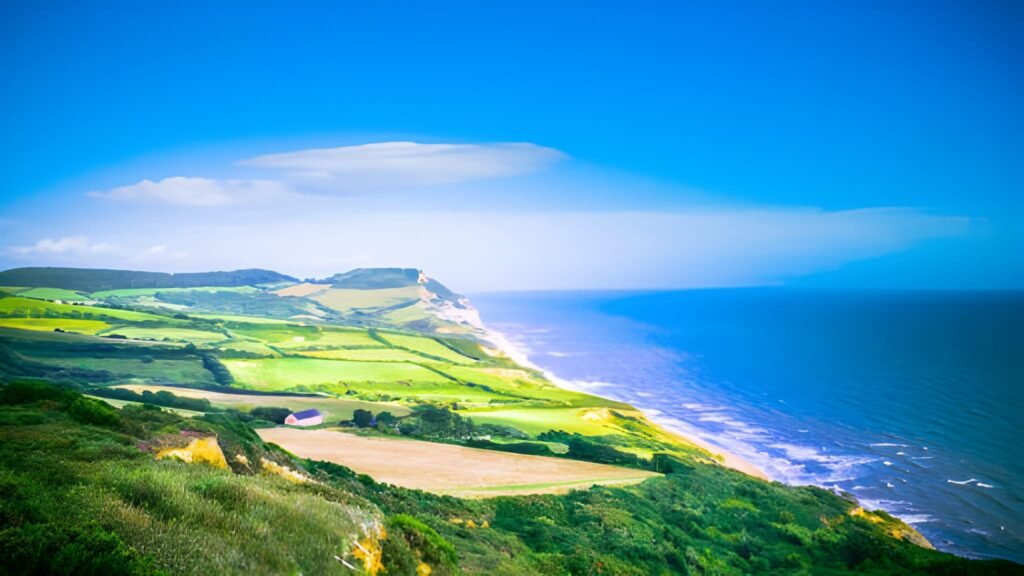
The dream of a second home in Dorset is woven from a distinct blend of coastline and countryside. It is the call of the Jurassic Coast, a UNESCO World Heritage Site, and the quiet charm of rolling hills, historic market towns, and villages that seem suspended in time. For the UK buyer, this is not merely a purchase; it is an acquisition of a lifestyle deeply connected to England’s natural and historical fabric. Yet, beneath this idyllic surface lie complex practicalities. This guide provides a clear-eyed, strategic analysis of purchasing a second home in Dorset, balancing the emotional pull with financial and regulatory reality.
Understanding the Dorset Appeal: More Than Just Seaside
Dorset’s allure is multifaceted. Your choice of location will dictate the experience and the investment performance of your property.
1. The World Heritage Coast:
- Key Areas: Lyme Regis, Charmouth, Bridport, West Bay, Abbotsbury, Weymouth, Swanage, Lulworth Cove, Durdle Door.
- The Appeal: Unrivalled natural beauty, fossil hunting, sailing, and iconic landscapes. Properties with sea views command a significant premium. Towns like Lyme Regis and Swanage offer a classic British seaside atmosphere.
- The Reality: These are the most competitive and expensive markets. Parking can be a challenge. Properties are highly sought-after for holiday lets, leading to a bustling summer season but potentially quieter winters outside of key towns.
2. The Rural Hinterland & Villages:
- Key Areas: The villages of the Dorset Area of Outstanding Natural Beauty (AONB) – e.g., Milton Abbas, Cerne Abbas, Beaminster, Sherborne, Sturminster Newton.
- The Appeal: The quintessential English countryside. Thatched cottages, village pubs, and a profound sense of peace. Offers better value for money than the coast.
- The Reality: Reliance on car travel. Can feel remote. The rental market may be less intense than on the coast, often appealing to those seeking longer-term lets or pure personal retreats.
3. The Market Towns:
- Key Areas: Dorchester (the county town), Bridport, Sherborne, Wimborne Minster.
- The Appeal: A balance of convenience and charm. Excellent amenities, independent shops, restaurants, and cultural events (e.g., Bridport’s literary and arts scene). Often have good transport links.
- The Reality: Offers a more year-round community feel. Properties here can be a shrewd investment for both personal use and rental, as they attract visitors outside the peak summer season.
The Financial Calculus: Costs Beyond the Price Tag
The purchase price is the starting point. For a second home in Dorset, the financial outlay is substantially higher.
Stamp Duty Land Tax (SDLT) Surcharge:
As a second property, your purchase will be subject to an additional 3% surcharge on top of each standard SDLT band.
SDLT Calculation on a £450,000 Dorset Cottage:
Standard rates on £450,000:
- 0% on the first £250,000 = £0
- 5% on the next £175,000 = £8,750
- (Rates for the next £25,000 do not apply as the 5% band goes to £925,000)
Standard SDLT = £8,750
Plus the 3% surcharge:
- 3% on the entire £450,000 = £13,500
This £22,250 is a significant upfront cost that must be factored into your budget immediately.
Ongoing Annual Costs:
- Council Tax: Dorset properties are in Band A (lowest) to Band H. Second homes typically receive no discount. Expect to pay the full annual amount.
- Insurance: Building and contents insurance for a second home, often unoccupied for periods, can be higher than for a main residence.
- Utilities: Standing charges for gas, electricity, water, and broadband will apply year-round.
- Maintenance: A sinking fund for ongoing upkeep is crucial. For a period cottage, budget 1-2% of the property’s value per year for repairs (roofing, damp proofing, repointing).
- Property Management: If you plan to let the property and are not local, a management company will typically charge 15-20% of the rental income plus VAT for a full service.
The Regulatory Landscape: A County Under Pressure
Dorset, like many popular tourist destinations, has a complex relationship with second homes. Local authorities are implementing policies to protect the stock of affordable housing for residents.
1. Council Tax Premium:
Dorset Council has approved plans to charge a council tax premium on second homes. This could see the bill for second homes rise by an additional 100% (doubling your council tax) as early as 2025. This is a major financial consideration that could impact the running costs and viability of some second-home investments.
2. Planning Restrictions and Holiday Let Use:
- Change of Use: To use a property as a formal holiday let (short-term commercial lets), it may require planning permission for a “change of use” from a Class C3 (dwelling house) to a Class C5 (holiday let). This is not always enforced but is an emerging regulatory tool.
- Article 4 Directions: Some areas may implement Article 4 directions, which remove permitted development rights, making it harder to change a property’s use without planning consent.
The Strategic Implication: The regulatory trend is towards making second home ownership more expensive and harder to operate as a pure holiday let business. Your investment thesis must be robust enough to withstand these potential cost increases.
The Letting Question: Investment vs. Personal Sanctuary
Your approach to letting will define the property’s financial profile.
1. The Holiday Let Model:
- Potential Yield: A well-located coastal property (e.g., Swanage, Lyme Regis) can achieve strong weekly rents in peak season. Gross yields of 5-7% are possible in the best spots.
- Furnishing & Compliance: Must be furnished to a high standard. You must comply with safety regulations (gas, electricity, furniture fire safety).
- The Market: Dorset’s tourism brand is powerful. Marketing through platforms like Airbnb or a local agency is effective but competitive.
Yield Calculation Example: A Cottage in Swanage
- Purchase Price: £400,000
- Total Annual Rental Income (30 weeks let): £30,000
- Annual Costs (management, utilities, council tax, maintenance): £12,000
This is your return before financing. A mortgage would significantly reduce this net figure.
2. The Personal Sanctuary Model:
The property is primarily for your own use, with limited letting to offset costs. This model is less affected by regulatory changes on holiday lets but must be able to sustain its running costs from your personal income.
Property Types: A Buyer’s Overview
| Property Type | Typical Locations | Pros | Cons & Considerations |
|---|---|---|---|
| Coastal Cottage | Lyme Regis, Swanage | High rental demand, character, views. | Premium price, parking issues, maintenance (damp, salt erosion). |
| Period Village House | Cerne Abbas, Beaminster | Charm, community feel, often more space. | Can be remote, may require modernization, thatch insurance is high. |
| Modern (80s+) House | Dorchester, Bridport | Lower maintenance, better energy efficiency, easier to insure. | Less character, may not achieve peak holiday let rates. |
| Waterfront Apartment | Poole Harbour, Weymouth | Lock-up-and-leave, views, security. | Service charges, leasehold complications, limited outdoor space. |
A Strategic Action Plan for the Dorset Buyer
- Define Your Primary Goal: Is this a revenue-generating asset or a personal retreat? This decision will dictate your budget, location, and property type.
- Secure Financing Early: Mortgage criteria for second homes are stricter. Expect a larger deposit requirement (25-40%+) and proof that you can afford both mortgages. Speak to a whole-of-market broker.
- Budget for the True Cost: Factor in the 3% SDLT surcharge, doubled council tax premiums, and robust maintenance costs from day one.
- Choose Your Location Strategically: Research the specific policies of the local parish and Dorset Council. Some areas may be more affected by future restrictions than others.
- Commission Specialised Surveys: For period properties, a full building survey is essential. For coastal properties, consider a specific damp and timber survey. The cost of repairs in older properties can be extreme.
- Seek Local Expertise: Use a solicitor and estate agent with specific experience in the Dorset second home market. They will understand the local nuances and regulatory environment.
Conclusion: A Calculated Dream
The dream of a second home in Dorset remains a compelling one. Its landscape offers a tangible connection to a slower, more natural pace of English life. However, the era of this being a simple purchase is over. It is now a strategic investment that must be approached with diligence and a long-term perspective.
The evolving regulatory environment, centred on increased taxation, means the financial model must be watertight. The most successful buyers will be those who see beyond the summer postcard image. They will appreciate the value of a cottage in a hardy market town as much as one on the coast, or they will accept that a personal sanctuary may require subletting to be viable. Ultimately, a second home in Dorset is a luxury, but with meticulous planning and a clear understanding of the costs, it can be a sustainable and deeply rewarding one. Your due diligence today is the foundation for your enjoyment for decades to come.