The pursuit of a beautiful home is a universal desire, but its definition is deeply personal and often misunderstood. It transcends the glossy pages of a magazine or the curated perfection of a television show. For a UK buyer, a truly beautiful home is a synthesis of architecture, light, space, and practicality—a place that not only pleases the eye but also supports the rhythms of daily life and holds its value in a complex market.
This guide moves beyond superficial checklists. We will dissect the core components that constitute beauty in residential property, providing you with a analytical framework to assess any home. We will explore how to balance emotional appeal with rational investment, understand the value of different architectural styles, and calculate the true cost of achieving your vision.
Deconstructing Beauty: The Five Pillars of a Desirable Home
Beauty in real estate is not a single feature but a harmonious blend of several interdependent elements.
1. Architectural Integrity and Style
A beautiful home possesses a coherent architectural identity. This doesn’t mean it must be a pristine period piece; a modern new-build can have as much integrity as a Georgian townhouse if its design is consistent and well-executed.
- Period Properties (Pre-1930s): The UK is rich with Victorian, Edwardian, and Georgian homes. Their beauty lies in original features: high ceilings, cornicing, sash windows, fireplaces, and well-proportioned rooms. The key is authenticity. Beware of poorly executed “add-ons” that disrupt the building’s original intent. A beautiful Victorian terrace respects its symmetry and period details.
- Mid-Century Modern (1930s-1960s): This style emphasises function, open-plan living, and a connection to the outdoors through large windows and clean lines. Beauty here is found in simplicity, geometric forms, and the quality of materials like brick, wood, and steel.
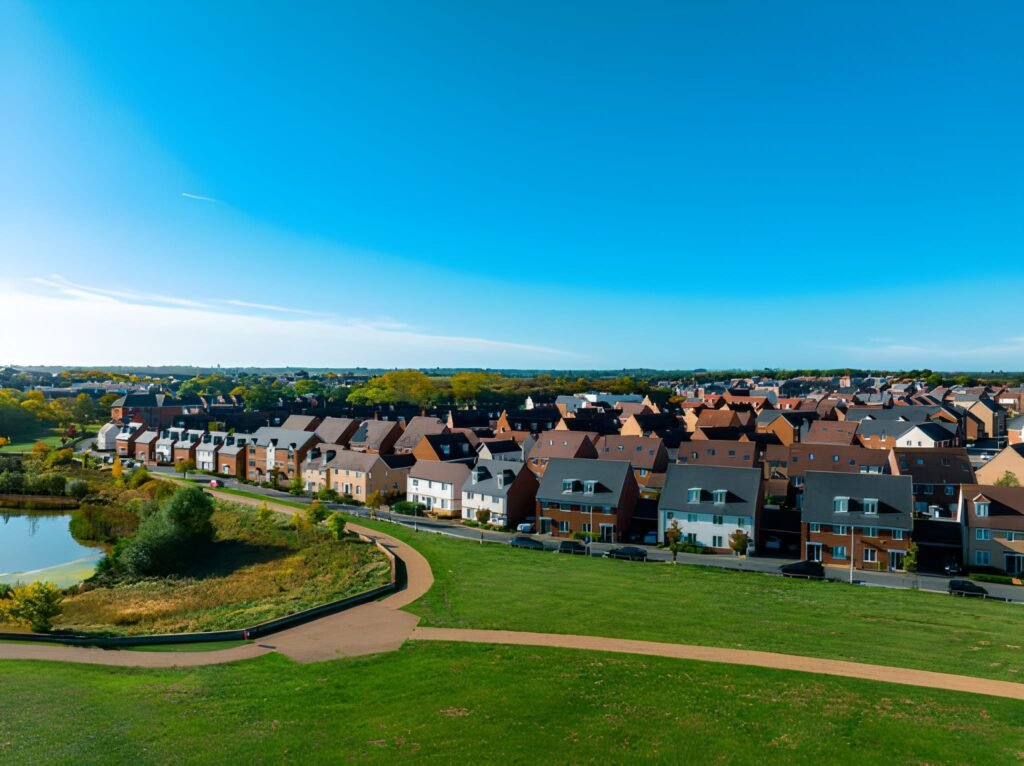
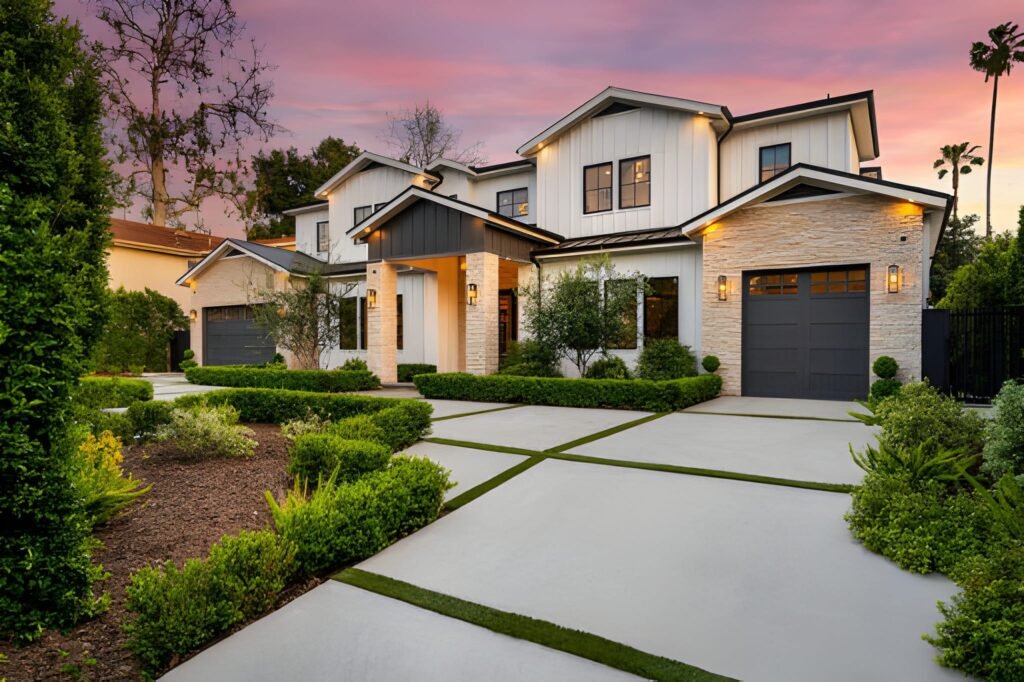
- Contemporary New-Builds (2000s-Present): Modern beauty is defined by energy efficiency, light, and space. Look for high ceilings, large glazing, open-plan layouts, and innovative materials. The quality of construction is paramount; poor soundproofing or cheap finishes can quickly undermine a sleek facade.
The Perspective: A home with strong architectural integrity requires less stylistic work and holds its value better. It provides a solid, authentic foundation upon which to build your own style.
2. The Primacy of Light and Aspect
Light is the single most important factor in how a space feels. It can make a small room feel airy and a large room feel warm and inviting.
- Aspect: This is the direction the main living spaces face.
- South-Facing (Ideal): Receives the most direct sunlight throughout the day. Gardens and living rooms flood with light, reducing heating costs and improving mood.
- North-Facing: Provides a cooler, more consistent light, often preferred by artists. Can feel dark and cold in winter without adequate glazing and insulation.
- East-Facing: Gets bright morning sun but less light in the afternoon.
- West-Facing: Receives afternoon and evening sun, often creating a warm, golden glow.
The Calculation: The value of light is tangible. A south-facing garden or a double-aspect living room can add a significant premium to a property’s value, often between 5-10% compared to a similar north-facing property.
3. Spatial Grammar: Flow and Proportion
How space is organised is more important than the raw square footage. A well-designed 100 square metre home can feel more spacious and functional than a poorly designed 150 square metre one.
- Flow: The movement between rooms should feel natural and unencumbered. There should be a logical progression from public spaces (entrance hall, living room) to private spaces (bedrooms). Awkward corridors or rooms you must walk through to access others disrupt flow.
- Proportion: Rooms should be well-balanced. A huge living room paired with a tiny kitchen creates an imbalance in utility. Ceiling height is critical; high ceilings create a sense of grandeur and space, while low ceilings can feel oppressive.
- The “Goldilocks” Test: Rooms must be neither too large nor too small for their intended purpose. A bedroom should comfortably fit a bed and storage without feeling cavernous or cramped.
4. Location and Context: The Unchangeable Asset
A beautiful home in an undesirable location is a compromised asset. Beauty extends beyond the property boundary to its environment.
- The Micro-Location: Look at the immediate surroundings. Is the street well-maintained? Are the neighbouring properties cared for? Is there a sense of community? A beautiful home next to a neglected property or a source of noise pollution loses its appeal.
- Amenities and Access: Proximity to good schools, green spaces (parks, commons), transport links, and local high streets with independent shops adds immense value. This is the practical layer of beauty—the beauty of convenience and quality of life.
- Views and Outlook: What you see from your windows is part of your home’s aesthetic. A view over a garden, park, or even a well-kept streetscape is preferable to a view of a blank wall or a busy car park.
5. Condition and Potential: The Blank Canvas
A beautiful home can be one in perfect move-in condition or one with visible potential. Understanding the difference is key.
- Turnkey: This property requires no immediate work. The beauty is ready-made. You pay a premium for this convenience.
- The “Ugly Duckling”: This property may be dated or poorly decorated but has good bones (strong architecture, good light, great location). Its beauty is latent, waiting to be unlocked. This is where value can be added.
The Value-Add Calculation:
You must accurately assess the cost of renovation versus the end value.
Example: A dated 1930s semi-detached house in a good area.
- Estimated market value after full renovation: £750,000
- Estimated renovation cost (new kitchen, bathroom, rewire, redecorate): £80,000
- Contingency buffer (10-20% for unforeseen issues): £15,000
Offering significantly above this price erodes your potential equity and profit.
A Comparative Analysis of UK Architectural Styles
| Style/Period | Key Aesthetic Features | Buyer Considerations | Typical Premium |
|---|---|---|---|
| Georgian (1714-1830) | Strict symmetry, sash windows, panelled doors, high ceilings, elegant proportions. | Check for damp, roof condition, and whether original features are intact or replicated. High maintenance costs. | High (10-20%+) |
| Victorian (1837-1901) | Bay windows, decorative brickwork, fireplaces, high ceilings, terraced housing. | Check for subsidence (older foundations), damp, and outdated plumbing/electricity. | Moderate to High (5-15%) |
| Edwardian (1901-1910) | Wider halls, lighter interiors, parquet flooring, simpler decor than Victorian. | Generally more soundly built. Similar checks for damp and utilities. | Moderate (5-10%) |
| 1930s Semi-Detached | Bay windows, stained glass, hipped roofs, gardens front and rear. | Solid construction. Check for asbestos, outdated utilities, and potential for extension (subject to planning). | Market Standard |
| Post-War & Modernist | Flat roofs, open-plan living, large windows, innovative materials. | Construction quality varies. Check for leaks (flat roofs), single-glazing, and structural soundness. | Niche Market |
| Contemporary New-Build | Energy efficient, open-plan, high specifications, low maintenance. | Leasehold charges, small gardens, “new-build premium” that can depreciate initially. | Premium for Warranty & Efficiency |
The Financial Anatomy of a Purchase
The true cost of buying a beautiful home in the UK is more than its asking price.
Stamp Duty Land Tax (SDLT) Calculation:
This is a tiered tax. For a £800,000 home, the calculation is:
- £0 – £250,000: 0% = £0
- £250,001 – £925,000: 5% = 5% of £550,000 = £27,500
- £925,001 – £1.5m: 10% = £0
(Note: Different rates apply for first-time buyers, additional properties, and non-resident buyers).
Total Acquisition Cost Table:
| Cost Type | Typical Amount | Notes |
|---|---|---|
| Property Price | £- | Negotiated price. |
| Stamp Duty Land Tax | Variable | See calculation above. |
| Legal Fees (Conveyancing) | £1,000 – £2,500 | Essential for searches and contracts. |
| Lender Valuation Fee | £250 – £1,500 | Required by your mortgage provider. |
| Surveyor’s Report | £500 – £1,500 | Highly advised to uncover hidden defects. |
| Land Registry Fee | £150 – £910 | Scales with property price. |
| Removal Costs | £300 – £1,500+ | Varies by volume and distance. |
| Total Additional Costs | £2,200 – £7,410+ | On top of your deposit. |
The Search Strategy: A Methodical Approach
- Define Your Non-Negotiables: Before you search, list your pillars. Is it south-facing light? A period feature? Three bedrooms? A location within a specific school catchment? This prevents emotional distraction.
- Research the Market Deeply: Use portals not just to browse, but to analyse. What do properties actually sell for (check Land Registry data), not what they are listed for? How long do they stay on the market?
- View Critically: On viewings, look past the decor. Test water pressure. Open and close windows. Check phone signal. Note the aspect at different times of day. Talk to neighbours.
- Invest in Expertise: Commission a full structural survey, especially for older or unique homes. The £500 cost could save you tens of thousands. Use a solicitor experienced in your property type.
- Calculate Holistically: Factor in running costs: council tax, energy efficiency rating (EPC), maintenance estimates for older homes, and any service charges for flats.
Conclusion: Beauty as a Function of Value
The most beautiful home is not necessarily the most photogenic. It is the home whose architecture, light, space, and location combine in a way that is perfect for you, while also representing a sound financial decision. It is a home whose condition you understand completely, whose costs you have calculated to the last pound, and whose potential you can realistically unlock.
It is a balance of heart and head. Let your heart be drawn to the high ceilings and the morning light in the kitchen. Let your head analyse the surveyor’s report, the SDLT bill, and the cost of replacing the roof. When both your heart and your head agree, you have found not just a beautiful house, but a beautiful home.