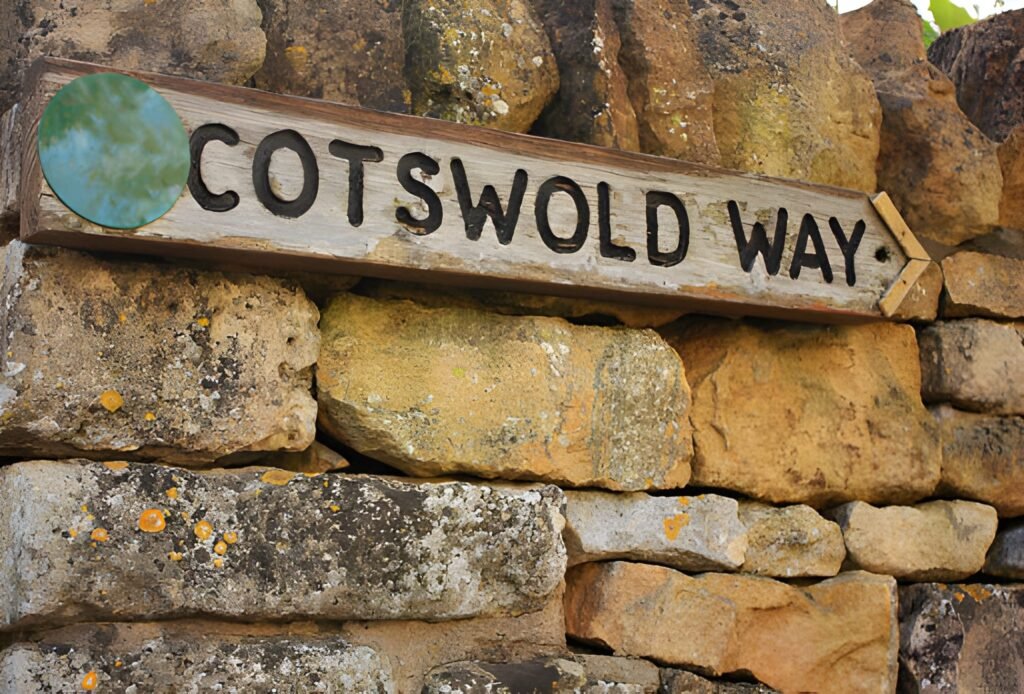
The very name “Cotswolds” conjures an archetypal vision of English pastoral bliss: honey-coloured limestone cottages, rolling hills, and villages with names like Bourton-on-the-Water and Stow-on-the-Wold. This image, meticulously cultivated in tourism brochures and period dramas, draws millions of visitors and countless prospective property buyers each year. However, for the serious investor or would-be resident, the Cotswolds property market is a complex and nuanced landscape. Acquiring a piece of this idyll requires a strategy that looks beyond the chocolate-box facade to understand the region’s intricate micro-markets, regulatory challenges, and the stark reality of rural living. This guide provides a forensic exploration of the opportunities and pitfalls that define property ownership in this coveted region.
Deconstructing the Cotswolds: A Region of Micro-Climates
The first and most critical mistake a buyer can make is to view the Cotswolds as a single, homogeneous property market. It is, in fact, a collection of distinct micro-climates, each with its own character, price point, and buyer profile. Understanding these sub-regions is the key to a successful purchase.
1. The “Honeypot” Villages:
- Locations: Bourton-on-the-Water, Stow-on-the-Wold, Chipping Campden, Broadway, Burford.
- Characteristics: These are the quintessential, internationally recognised villages. Properties here are predominantly period cottages, often listed, and command the highest premiums. The atmosphere is vibrant but can be overwhelmingly tourist-centric, with coach parks and bustling tearooms.
- Property Profile: High demand, low supply. Prices are at their peak. A two-bedroom Grade II listed cottage in need of modernisation can easily exceed £600,000. Perfect for a holiday let investment or a buyer who thrives on a busy, social environment.
2. The Accessible Commuter Belt:
- Locations: The eastern fringes, notably towns like Cheltenham, Cirencester, and parts of Gloucestershire near the M5 and M4 corridors.
- Characteristics: These areas offer a blend of Cotswold charm and practical connectivity. Cheltenham, with its Regency architecture, excellent schools, and direct train line to London (approx. 2 hours), is a magnet for families and professionals.
- Property Profile: More diverse, including larger Victorian and Edwardian homes, new-build estates, and apartments. Offers better value for money than the honeypots while retaining access to the countryside. A four-bedroom detached family home in a good Cheltenham suburb might range from £700,000 to £1.2m.
3. The “Undiscovered” Cotswolds:
- Locations: The more remote villages in the west and south, such as in the valleys of the River Frome or towards the Wiltshire border.
- Characteristics: This is where you find quieter, more authentic village life. There may be a pub and a village hall, but no souvenir shops. The sense of community is strong, but amenities are limited. You will need a car for everything.
- Property Profile: Occasionally, better value can be found here, often in the form of larger plots or farmworkers’ cottages. However, truly “undiscovered” gems are rare and highly sought after by those in the know.
The Financial Realities: Premiums, Costs, and Value
Buying in the Cotswolds means paying a premium for aesthetics and location. The financial equation extends far beyond the purchase price.
The Cotswold Premium:
The desirability factor inflates prices significantly compared to neighbouring regions without the AONB (Area of Outstanding Natural Beauty) designation. A direct comparison illustrates this:
A 3-bedroom semi-detached house in a market town just outside the Cotswolds AONB boundary: £350,000
A comparable (or smaller) 3-bedroom period cottage within the AONB: £525,000
\text{Premium} = £525,000 - £350,000 = £175,000
\text{Premium Percentage} = \frac{£175,000}{£350,000} \times 100 = 50\%This 50% premium is the tangible cost of the Cotswold brand.
The Hidden Costs of Rural Living:
- Transport: Public transport is sparse. Car ownership is essential, and fuel costs are high due to long distances and rural driving.
- Energy: Many older properties have poor energy efficiency (low EPC ratings). Heating a stone-built, draughty cottage with oil or LPG (common where there is no gas grid) is considerably more expensive than mains gas.
- Maintenance: Period properties require specialist materials and tradespeople, who command a premium in affluent areas. Repointing with traditional lime mortar, for instance, is far more costly than modern cement work.
The Regulatory Labyrinth: Conservation and Planning
The Cotswolds’ character is protected by a double layer of regulation: it is both an AONB and contains vast swathes of Conservation Areas. This has profound implications for property owners.
- Listed Building Consent: Any alteration to a listed building—even internally—requires consent. This includes replacing windows, installing new kitchens or bathrooms, and even painting over stonework. The process is slow, and the criteria are strict (e.g., must use traditional materials and methods).
- Conservation Area Restrictions: In designated villages, even unlisted properties face controls. You may need permission to demolish outbuildings, prune trees, or alter the exterior appearance of your home.
- The “Right to Light”: A particular issue in dense villages where extensions or even new builds can be blocked by neighbours protecting their views or sunlight.
Purchasing a property here is not just buying a home; it is becoming a custodian of a protected landscape. This requires a mindset of stewardship rather than one of unbridled ownership.
Investment Angles: Beyond the Primary Residence
The Cotswolds property market is sustained by several investor types.
1. The Holiday Let Market:
The tourism appeal makes holiday lets a potentially lucrative investment. However, it is a crowded and professionalised market.
Yield Calculation:
Purchase Price: £750,000
Estimated Weekly High-Season Rent: £2,500
Estimated Annual Occupancy (25 weeks): 25 \times £2,500 = £62,500
Gross Yield: \frac{£62,500}{£750,000} \times 100 \approx 8.3\%
This seems healthy, but must be netted against management fees (20-30%), cleaning, utilities, maintenance, and void periods. The net yield is often closer to 4-5\%, making it a capital growth play rather than a pure income investment.
2. The “Downsizer” Magnet:
The region is a prime destination for affluent retirees from London and the Southeast selling large family homes and buying a luxury cottage with cash. This demographic has significant purchasing power and competes for the best properties, keeping prices resilient at the top end.
A Strategic Framework for Buyers
| Buyer Profile | Target Locations | Key Considerations | Potential Budget |
|---|---|---|---|
| Weekender/Investor | Honeypot villages | Holiday let regulations, management costs, tourist footfall. | £500k - £1.5m+ |
| Commuter Family | Cheltenham, Cirencester, Tetbury | School catchments, transport links, modern amenities. | £600k - £1.2m |
| Retiree/Downsizer | Picturesque villages with community | Bungalows/single-level living, proximity to shops/healthcare. | £700k - £2m+ |
| The “Authentic” Seeker | Remote western villages | Total car dependency, slower pace, need for self-sufficiency. | £450k - £900k |
Conclusion: A Calculated Purchase of a Lifestyle
Exploring the Cotswolds for property is not a mere transaction; it is an acquisition of a lifestyle. The decision cannot be driven by financial ROI alone. The premium paid is for an intangible quality of life: the beauty, the tranquility, the sense of history, and the community.
The successful buyer is one who enters the market with clear-eyed realism. They understand that they are purchasing into a regulated museum-piece where modern convenience must often be carefully negotiated. They have budgeted not just for the purchase price, but for the higher ongoing costs of maintenance and living. And most importantly, they have identified the specific micro-location that aligns with their personal needs—whether that is the bustle of a honeypot or the quiet isolation of a hidden valley.
The Cotswolds dream is attainable, but it is a carefully curated dream, one that demands respect for the landscape and a strategic approach to the complexities of its property market. The reward is not just a deed to a house, but a key to one of the most cherished landscapes in the world.