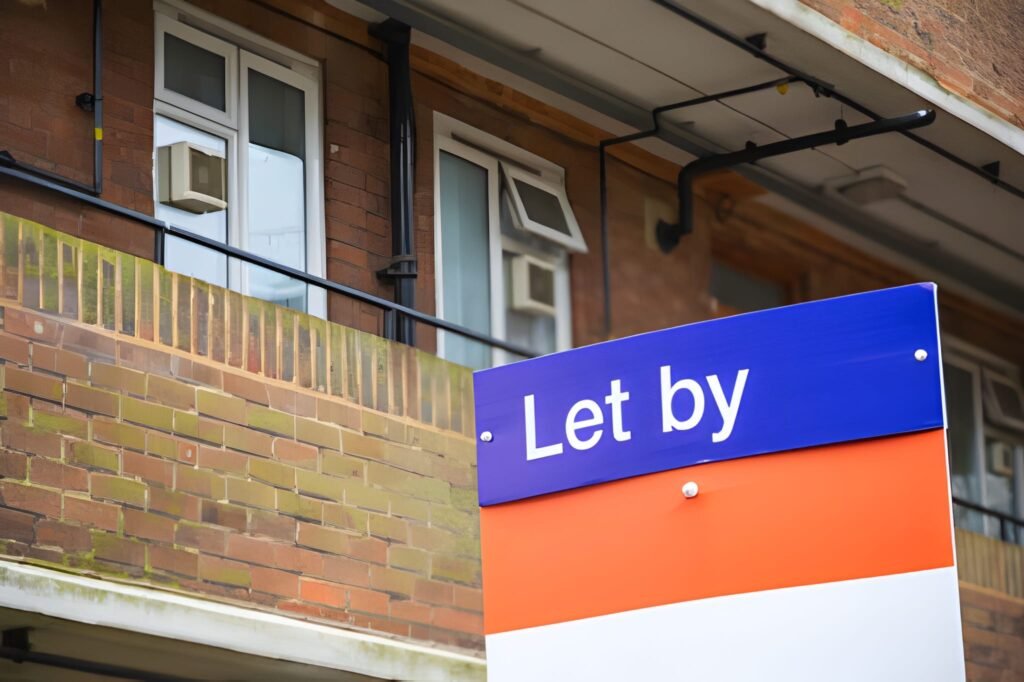
The aspiration of homeownership can feel increasingly out of reach in the UK’s challenging property market. Shared Ownership, the most common form of part-buy, part-rent scheme, exists as a government-backed initiative designed to bridge this gap. It offers a pragmatic, albeit complex, pathway onto the housing ladder for those trapped between renting and buying outright. However, eligibility for these schemes is not a simple yes or no; it is a set of specific criteria that act as a filter, targeting a distinct segment of the population. Understanding these gates—the financial, personal, and procedural requirements—is essential for anyone considering this route. This guide provides a clear-eyed analysis of who qualifies for Shared Ownership and the strategic considerations that come with it.
The Core Concept: How Shared Ownership Works
Before assessing eligibility, one must understand the mechanics. Shared Ownership is not a discount purchase; it is a partnership with a housing association where you part-own and part-rent a property.
- You Purchase a Share: You buy a percentage of the property’s full market value, typically between 25% and 75%. You require a mortgage for this share (unless you can pay in cash) and will pay a deposit calculated on your share, not the full value.
Example: A property is valued at £300,000. You buy a 25% share.
\text{Purchase Price} = 300,000 \times 0.25 = 75,000
A 5% deposit would be: 75,000 \times 0.05 = 3,750 - You Rent the Remainder: You pay a below-market rent on the remaining share (the 75% in the example above) to the housing association.
- Staircasing: A key feature of the scheme is the ability to buy additional shares in the future (e.g., another 25%), a process known as “staircasing.” The goal is often to eventually own 100%.
The Eligibility Criteria: The Four Pillars of Qualification
Eligibility is strictly governed by a combination of government rules and individual housing association policies. The following criteria are near-universal.
1. Financial Eligibility: The Income Thresholds
Shared Ownership is explicitly targeted at households that cannot afford to buy a suitable home on the open market but have sufficient income to sustain the costs of part-ownership.
- Minimum Income: You must demonstrate you can afford the combined costs of the mortgage, rent, and service charge. There is no set national minimum, but most housing associations require a minimum household income of between £18,000 and £30,000 per year to ensure affordability. For high-cost areas like London, this minimum is significantly higher.
- Maximum Income: Crucially, your total annual household income must be less than £80,000 (£90,000 in London). This cap ensures the scheme supports those with moderate earnings. Your income will be verified through payslips, bank statements, and a P60 form.
The Affordability Check: You will be subjected to a rigorous assessment. The housing association and your mortgage lender will calculate your outgoings to ensure they are sustainable. This includes:
\text{Total Monthly Housing Cost} = \text{Mortgage} + \text{Rent} + \text{Service Charge} + \text{Council Tax} + \text{Utilities}This figure must be manageable within your monthly budget. You must also pass the standard mortgage affordability checks from a lender that offers Shared Ownership mortgages.
2. Priority Status: The “In Need” Criteria
Simply meeting the income cap is not enough. You must also fall into one of the following categories that demonstrate a housing need:
- First-Time Buyers: The scheme is predominantly for those who have never owned a home anywhere in the world.
- Former Homeowners: Those who once owned a home but can no longer afford to do so (e.g., after a relationship breakdown) may be eligible.
- Existing Shared Owners: Those looking to move from one Shared Ownership property to another.
- Forming a New Household: For example, couples or friends who are looking to buy together but currently live with family.
3. Current Housing Status and Citizenship
- You cannot own another home: You must not own any other property, either in the UK or abroad, at the time of purchase.
- Right to Live in the UK: You must have the legal right to live in the UK indefinitely, typically through British or Irish citizenship, settled status, or another visa that does not restrict your access to public funds.
4. Local Connection and Property Availability
Many Shared Ownership properties, especially outside of major urban developments, are offered with a “local connection” requirement. This means priority is given to applicants who:
- Already live or work in the local authority area.
- Have close family living in the area.
- Need to move to the area to be closer to work or family for care reasons.
This criterion is designed to build stable communities rather than serve as a investment vehicle for outsiders.
The Application Process: A Step-by-Step Overview
- Self-Assessment: Use online affordability calculators on websites like Share to Buy or directly on housing association websites. Be brutally honest about your income, debts, and credit score.
- Find a Property: Register on property portals dedicated to Shared Ownership (e.g., Share to Buy) and contact local housing associations directly.
- Register and Apply: Once you find a suitable property, you will formally apply to the housing association managing it. You will complete a detailed application form and provide evidence of your income, savings, and status.
- Financial Assessment: The housing association will assess your eligibility and affordability.
- Offer and Reservation: If approved, you will receive an offer and pay a reservation fee (typically £500-£1000) to take the property off the market.
- Secure a Mortgage: You must now formally apply for a Shared Ownership mortgage from a specialist lender. Not all banks offer these products.
- Legal Conveyancing: You must instruct a solicitor or conveyancer who is experienced with Shared Ownership leases, as they are more complex than standard freehold purchases.
The Other Side of the Coin: Critical Considerations
Shared Ownership is a powerful tool, but it comes with specific trade-offs that impact long-term eligibility and financial planning.
- Service Charges: You will be liable for 100% of the service charges and ground rent, even on the share you don’t own. These costs can rise significantly over time.
- Staircasing Costs: Buying additional shares involves legal fees, valuation fees, and potentially stamp duty (if the value of the new share takes the total purchase price over the threshold).
- Selling Complexity: Selling a Shared Ownership property (a process known as “assignment”) can be slower than selling a freehold home. The housing association often has a period (e.g., 8 weeks) to find a buyer before you can market it on the open market.
- The “100% Problem”: Even if you staircase to 100%, you often still do not own the freehold. You remain a leaseholder, dealing with the housing association as your freeholder and landlord for the ground rent.
Conclusion: A Targeted Lifeline, Not a Universal Solution
Eligibility for a part-buy, part-rent home is not a measure of general need but a specific set of gates designed to identify a precise demographic: households with moderate, stable incomes who are trapped in the rental market and have a clear pathway to affording partial ownership but not full ownership.
The scheme is not for everyone. It is a complex financial product with long-term implications. The question is not just “am I eligible?” but also “is Shared Ownership the right strategic choice for me?”.
For those who meet the criteria—first-time buyers with a household income under £80,000, who can afford the monthly costs but lack a large deposit—Shared Ownership remains one of the most viable and legitimate tools to achieve the security of homeownership. It requires careful financial planning and a clear understanding of the future costs and processes involved, but for the right candidate, it can successfully turn the key to a home of their own.