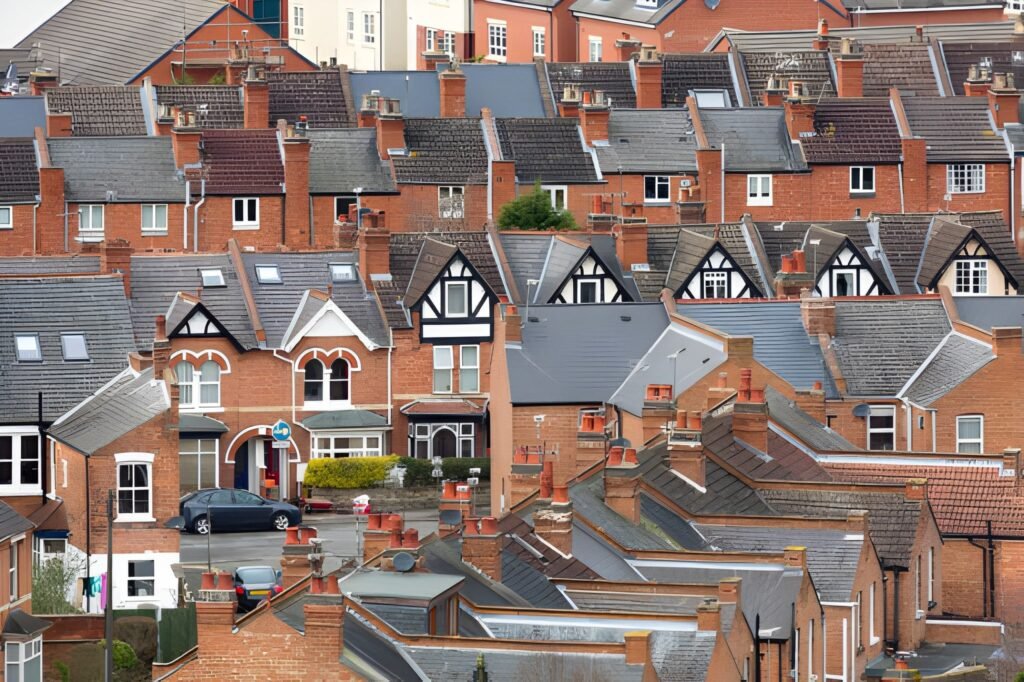
Owning a second home in the UK is a significant financial commitment that is actively discouraged by the tax system through a layered structure of charges. The government’s policy is clear: it uses fiscal levers to make the purchase and ownership of additional properties more expensive, theoretically freeing up housing for primary residents. For any prospective buyer, understanding this landscape is crucial, as the costs extend far beyond the purchase price into substantial upfront taxes and altered ongoing liabilities.
The Upfront Barrier: Stamp Duty Land Tax and the 3% Surcharge
The most immediate and impactful cost is the Stamp Duty Land Tax (SDLT) payable on purchase. This is where the concept of a dedicated “second home tax” is most explicit.
The 3% Additional Dwelling Supplement (ADS)
This is a surcharge applied on top of the standard SDLT rates. It applies if, upon completion of the purchase, you own an interest in two or more residential properties anywhere in the world, and the new purchase is not replacing your main residence.
The surcharge fundamentally alters the SDLT calculation, applying a minimum 3% rate from the first pound of the purchase price. The rates for a second home are as follows:
- Up to £250,000: 3%
- £250,001 to £925,000: 8%
- £925,001 to £1.5 million: 13%
- Over £1.5 million: 15%
Comparative Calculation:
For a £400,000 property:
- Standard Purchase (Main Residence):
Second Home Purchase (with 3% Surcharge):
(\text{£250,000} \times 0.03) + (\text{£150,000} \times 0.08) = \text{£7,500} + \text{£12,000} = \text{£19,500}The surcharge more than doubles the tax liability, adding £12,000 to the cost in this example. This extra amount is a pure policy-driven cost, making the initial investment significantly higher.
Reclaiming the Surcharge
There is a crucial escape clause. If you purchase a new second home before selling your old main residence, you must pay the surcharge upfront. However, if you sell your previous main residence within 36 months of the purchase date, you can apply for a full refund of the 3% surcharge.
The Ongoing Annual Liabilities: Council Tax
After the purchase, the ongoing annual property tax is Council Tax. The rules for second homes vary across the UK nations, but the general principle is that local authorities can charge more.
- England: Local councils have the discretion to charge a Council Tax premium of up to 100% on second homes. This means you could be charged double the standard Council Tax rate for that property. Not all councils apply this full premium, but the power is there, and many are increasingly using it to deter second home ownership.
- Wales: A mandatory premium is in place. As of 2024, local authorities can charge a Council Tax premium of up to 300% on second homes and long-term empty properties.
- Scotland: While there is no specific national second home premium, councils can increase the rate on properties in certain short-term let management areas, which often captures second homes used for holiday lets.
The financial impact is recurring. A property with a standard Council Tax bill of £2,000 could cost £4,000 per year in England or potentially much more in Wales.
Other Financial Considerations
Beyond direct property taxes, other financial factors are altered:
- Capital Gains Tax (CGT): Your main residence is generally exempt from CGT when you sell it. A second home does not qualify for this relief. When you sell a second home, you will be liable for CGT on the gain in value from the date of purchase to the date of sale, after deducting costs and your annual CGT allowance. This can represent a significant future tax bill that does not apply to a primary residence.
- Income Tax: If you rent out the second home, the rental income is subject to Income Tax. The ability to deduct mortgage interest is now restricted to a basic-rate tax credit, making it less favourable for higher-rate taxpayers.
- Mortgage Interest: Lenders typically charge higher interest rates for buy-to-let or second home mortgages compared to standard residential mortgages, reflecting the perceived higher risk.
Strategic Summary
The UK tax system for second homes is designed to be punitive. The financial implications are twofold:
- A heavy, upfront SDLT surcharge that can add tens of thousands of pounds to the purchase cost.
- Increased, recurring Council Tax bills, with the potential for a 100% (or more) premium, adding thousands to the annual cost of ownership.
Before purchasing a second home, it is essential to:
- Calculate the exact SDLT liability, including the 3% surcharge.
- Check with the local council what Council Tax premium, if any, they charge on second homes.
- Factor in the future liability for Capital Gains Tax.
- Seek professional financial and legal advice to understand the full picture.
In essence, a second home in the UK is not just a luxury asset; it is a tax event. The government’s policy makes the financial barrier to entry and continued ownership deliberately high, a critical reality that must be central to any purchasing decision.