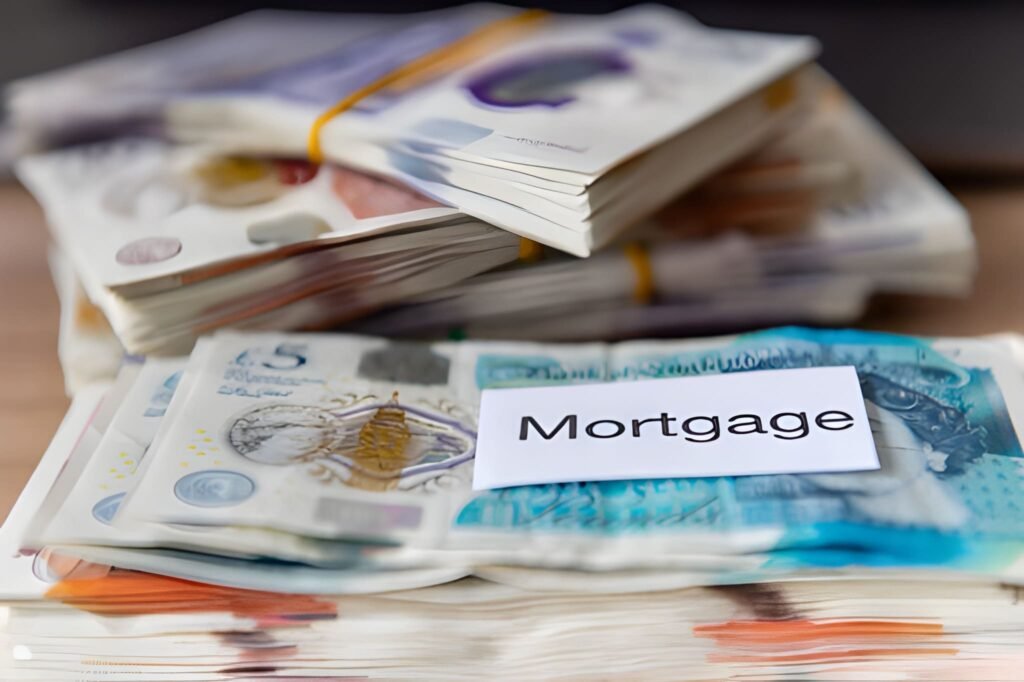
Securing a mortgage is a defining financial commitment, and the choice of term length fundamentally alters its character. While the standard mortgage term in the UK stretches to 25 or even 35 years, a 10-year term represents an accelerated, intense path to outright homeownership. A £100,000 mortgage over this condensed timeframe is a significant financial undertaking, characterised by high monthly payments but substantial interest savings. This strategy is not for everyone; it demands a robust and stable income, disciplined budgeting, and a high tolerance for financial commitment. This analysis will dissect the mechanics, costs, and strategic implications of opting for this aggressive repayment schedule.
The Financial Mechanics: Calculating the Commitment
The most immediate and defining feature of a 10-year mortgage term is the elevated monthly repayment. Unlike a longer term, where payments are weighted more heavily towards interest in the early years, a 10-year term applies a large, consistent force to the mortgage principal from the very first payment.
The calculation for the monthly repayment is derived from the standard annuity formula:
M = P \frac{r(1+r)^n}{(1+r)^n - 1}Where:
- M is the total monthly repayment.
- P is the principal loan amount (£100,000).
- r is the monthly interest rate (Annual Rate ÷ 12).
- n is the number of payments (10 years × 12 = 120).
Illustrative Calculation:
Assume a competitive interest rate of 4.5% for this example.
First, find the monthly interest rate: r = \frac{0.045}{12} = 0.00375
Then, plug the values into the formula:
Therefore, the estimated monthly repayment would be approximately £1,037.
This figure stands in stark contrast to the same mortgage spread over 25 years, where the monthly payment at the same rate would be approximately £556. The 10-year term demands an additional £481 per month, which is a 86% increase in the monthly financial outlay.
The Interest Saving: The Core Reward
The justification for shouldering such a high monthly payment is the dramatic reduction in total interest paid. The shorter the term, the less time interest has to compound on the outstanding debt.
Using the same 4.5% rate:
- Total Repayable over 10 years: £1,036.92 \times 120 = £124,430.40
- Total Interest Paid: £124,430.40 - £100,000 = £24,430.40
Now, compare this to a 25-year term:
- Monthly Payment over 25 years: ~£556.38
- Total Repayable: £556.38 \times 300 = £166,914.00
- Total Interest Paid: £166,914 - £100,000 = £66,914.00
The Interest Saving: £66,914.00 - £24,430.40 = £42,483.60
By opting for the 10-year term, you would save over £42,000 in interest. This represents a staggering saving of nearly 63% on the interest cost of the longer term. This is the powerful financial incentive that drives borrowers towards shorter terms.
The Affordability Hurdle and Lender Scrutiny
A payment of over £1,000 per month is a substantial commitment. UK lenders will subject this to intense scrutiny during the affordability assessment. They will not only look at your current income but will “stress test” your finances to ensure you could continue to afford the payments if interest rates were to rise significantly in the future.
Your debt-to-income ratio will be a critical factor. A household would need a stable, combined income well in excess of £40,000 to comfortably pass affordability checks for this level of payment, once other essential living costs and committed expenditures are factored in. This effectively makes the 10-year term the preserve of higher-earning households or those with very low outgoings.
Strategic Considerations: Is a 10-Year Term Right for You?
The decision hinges on a trade-off between cash flow and total cost.
Who is it for?
- High-Income Earners: Individuals or couples with a strong, stable disposable income for whom the £1,000+ payment does not strain their budget.
- The Debt-Averse: Those with a psychological aversion to long-term debt who prioritise becoming mortgage-free above all other financial goals.
- Borrowers Nearing Retirement: Someone in their 50s with a high income who wants to ensure their mortgage is cleared before they stop working.
- Those with Future Certainty: Individuals expecting a known future drop in income (e.g., planned career break) who want to eliminate the mortgage beforehand.
Who should avoid it?
- Those with Limited Disposable Income: If the high payment would constrain your lifestyle, prevent you from saving, or leave no buffer for emergencies.
- People with Higher-Interest Debt: It is mathematically illogical to make overpayments on a 4.5% debt if you have outstanding credit card or loan debt with interest rates of 15-30%.
- Individuals Without an Emergency Fund: Prioritising a high mortgage payment over building a savings safety net of 3-6 months’ expenses is a risky strategy.
- Anyone who Values Flexibility: Locking into such a high commitment reduces your monthly financial flexibility to invest, save for other goals, or handle unforeseen expenses.
The Hybrid Alternative: A Longer Term with Overpayments
For many, a more balanced and flexible strategy is to take out a mortgage over a longer term, say 25 years, but commit to making regular overpayments equivalent to the 10-year term payment.
Example:
- Take the mortgage over 25 years: Monthly payment = £556
- Make an overpayment each month of: £1,037 - £556 = £481
Advantages of this approach:
- Flexibility: If you hit a financial rough patch (e.g., temporary job loss), you can instantly revert to the lower mandatory payment of £556 without needing permission from the lender. With a 10-year term, the £1,037 payment is mandatory and non-negotiable.
- Same Outcome: If you maintain the overpayments, you will pay off the mortgage in the same 10-year period and save the same amount of interest.
- Early Repayment Charges (ERCs): Most modern mortgages allow overpayments of up to 10% of the outstanding balance per year without penalty. For a £100,000 loan, this allows for £10,000 in overpayments in the first year (£833 per month), which is more than sufficient to accommodate this strategy.
Summary of Key Figures (at 4.5% interest)
| Metric | 10-Year Term | 25-Year Term | Difference |
|---|---|---|---|
| Monthly Payment | £1,037 | £556 | +£481 (+86%) |
| Total Repayable | £124,430 | £166,914 | -£42,484 |
| Total Interest Paid | £24,430 | £66,914 | -£42,484 (-63%) |
| Time to Clear Debt | 10 years | 25 years | -15 years |
A £100,000 mortgage over 10 years is a powerful wealth-building tool. It is a deliberate choice to prioritise the elimination of debt and the saving of interest above almost all else. However, it is a financial marathon run at a sprint pace. It requires not just the income to support it, but the resilience to maintain that pace for a full decade without faltering. For the right borrower, it is a direct and efficient route to financial freedom. For others, the hybrid approach of a longer term with aggressive overpayments offers a more prudent and flexible path to the same destination.