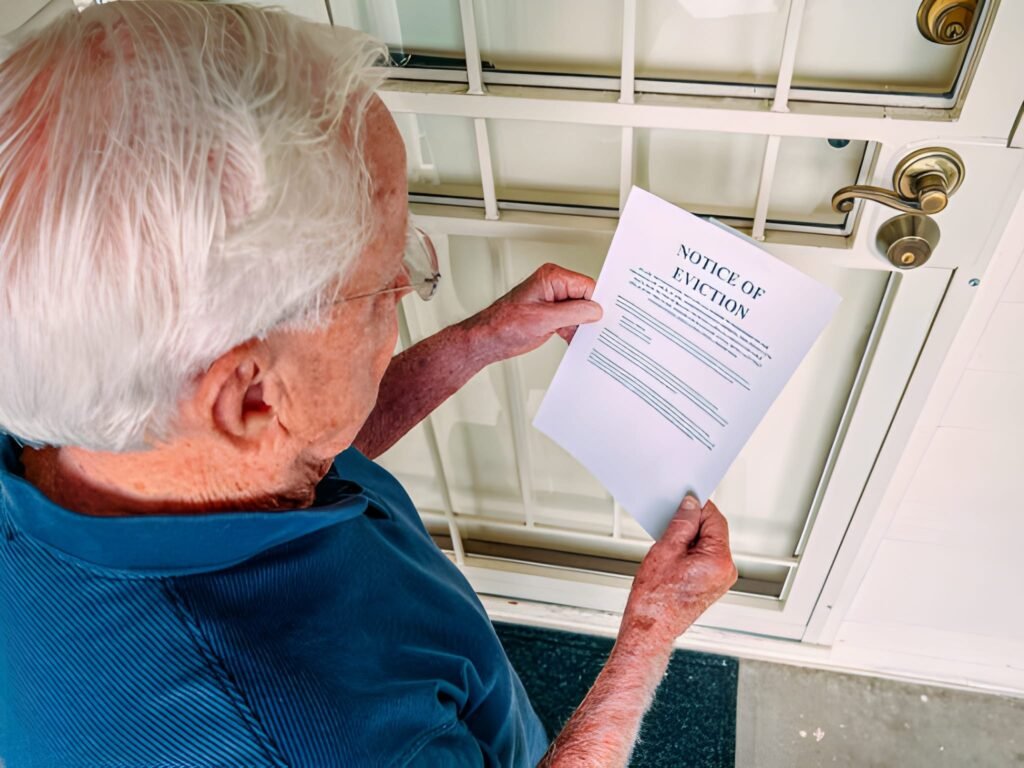
The decision to end a tenancy is a significant one, and the process begins with a formal, written notice to your landlord. While a 30-day notice is standard for a rolling tenancy, there are specific circumstances where a 15-day notice is not only appropriate but legally sound. This shorter timeframe is typically reserved for situations where the landlord has fundamentally failed in their obligations, rendering the property unfit for habitation. Understanding when and how to use this powerful tool is essential for tenants seeking to protect their rights and their well-being. A 15-day notice is not a casual gesture; it is a formal declaration that the tenancy agreement has been breached by the landlord and that you are exercising your right to leave as a direct consequence.
The Legal Foundation for a Shorter Notice Period
A tenancy agreement is a contract with mutual obligations. The tenant’s primary duty is to pay rent, while the landlord’s core responsibilities are outlined in Section 11 of the Landlord and Tenant Act 1985. This includes maintaining the structure and exterior of the property and keeping in working order installations for water, gas, electricity, sanitation, and heating.
When a landlord fails catastrophically in these duties, it constitutes a breach of contract. In legal terms, this is sometimes referred to as the landlord having “frustrated” the contract or committed a “repudiatory breach.” This failure gives the tenant the right to treat the tenancy as at an end. The 15-day notice serves as formal notification of this decision. It is a direct response to a severe issue that makes the property uninhabitable, such as a complete loss of hot water and heating during winter, severe structural damage, or a total failure of the electrical system. The notice period itself, while not defined by a specific statute in this context, is considered a “reasonable” time to allow the landlord to make arrangements, and 15 days is widely accepted as a standard for such serious breaches.
Key Components of an Effective 15-Day Notice Letter
For the notice to be legally robust and unambiguous, it must be meticulously drafted. Clarity and evidence are your most powerful allies.
The letter must open with a clear statement of its purpose: to terminate the tenancy due to the landlord’s breach of their repairing obligations. It must explicitly reference the legal foundation, such as Section 11 of the Landlord and Tenant Act 1985. The core of the letter is a detailed, factual description of the disrepair. Avoid emotional language; instead, provide a forensic account. For example, do not write “the house is freezing.” Instead, write “The gas central heating boiler has been inoperative since [Date], resulting in no heating or hot water throughout the property. The internal temperature has consistently measured below 12^\circ\text{C} in the living room, as evidenced by the photographs attached.”
You must demonstrate that you have given the landlord prior opportunity to fix the issue. Reference your previous communications—the dates and methods (e.g., “as per my email of October 1st and my follow-up phone call on October 10th”). State clearly that due to their failure to remedy this serious breach, you are now treating the tenancy agreement as repudiated and will vacate the property. The letter must specify the exact date of termination, which is 15 days from the date of the letter. Finally, it should provide your forwarding address for the return of your deposit.
A Comprehensive 15-Day Notice Letter Template
[Your Full Name]
[Your Current Address]
[Your Phone Number]
[Your Email Address]
[Date]
[Landlord’s Name or Letting Agency Name]
[Landlord’s/Agent’s Address]
Subject: 15-Day Notice to Terminate Tenancy Due to Landlord’s Breach of Repairing Obligations – [Your Address]
Dear [Landlord’s Name or Letting Agency Contact],
I am writing to you as the tenant at [Property Address] under the Assured Shorthold Tenancy agreement dated [Date of Tenancy Agreement].
This letter constitutes my formal 15-day notice to terminate the tenancy agreement due to your fundamental breach of your repairing obligations under Section 11 of the Landlord and Tenant Act 1985.
As I have previously notified you on [Date of First Report] and [Date of Follow-up], the property is in a state of serious disrepair that renders it unfit for habitation. The critical issues include:
- Complete Failure of Heating and Hot Water: The boiler has been non-functional since [Date]. This constitutes a failure to keep the space and water heating installations in proper working order.
- Severe Damp and Mould: As a direct result of [specific issue, e.g., a leaking roof or faulty plumbing], significant damp and mould has developed in [specific rooms]. This poses a serious health and safety risk.
- [Other Critical Issue, e.g., Major Electrical Fault:]
Despite my repeated requests, you have failed to carry out these essential repairs within a reasonable timeframe. Your inaction represents a serious breach of our tenancy agreement.
Consequently, I am treating your failure as a repudiatory breach of the tenancy contract and am exercising my right to end the tenancy. My last day at the property will be [Date, 15 days from today]. I will vacate the property on or before this date, returning all keys.
I expect the return of my full deposit of £X, which is protected with the [Name of Tenancy Deposit Protection Scheme]. Any proposed deductions must be justified with evidence and fall outside the scope of the conditions that have forced my early departure.
Please send all future correspondence and my deposit repayment to my new forwarding address:
[Your New Forwarding Address]
I await your written confirmation of receipt of this notice.
Yours sincerely,
[Your Signature]
[Your Printed Name]
The Critical Role of Evidence and Follow-Up
The strength of your 15-day notice rests entirely on the evidence you provide. Before sending the letter, you must gather a comprehensive evidence pack. This includes dated photographs and videos of all the disrepair, copies of all prior emails, text messages, and letters you have sent to the landlord about the issues, and any reports from independent professionals, such as an Environmental Health Officer from the council or a qualified contractor.
When you send the notice, use a tracked postal service that requires a signature, such as Royal Mail Signed For. This provides you with legal proof of the date it was sent and received. Keep the receipt safe. It is also prudent to follow up with a scanned copy of the letter via email, creating a dual-channel record.
Potential Outcomes and Contingency Planning
Upon receiving your notice, a landlord may finally be spurred into action. You must then decide if their proposed solution is sufficient and timely enough to withdraw your notice. However, if they dispute your claim or refuse to return the deposit, you must be prepared to escalate.
Your next steps would involve contacting the local council’s Environmental Health department to request an official inspection. Their report can serve as powerful independent evidence. Regarding the deposit, if the landlord unlawfully withholds it, you will need to initiate a dispute through the relevant tenancy deposit protection (TDP) scheme, presenting your evidence pack to the adjudicator. In the most contentious cases, you may need to seek legal advice, as the landlord could challenge the validity of your notice in court.
A 15-day notice is a significant legal step. It is a clear statement that the condition of the property has crossed a line from mere inconvenience to fundamental unlivability. By basing your notice on clear, documented breaches of the landlord’s legal duties, you assert your rights as a tenant and create a defensible path to terminating your tenancy and securing the return of your deposit.