
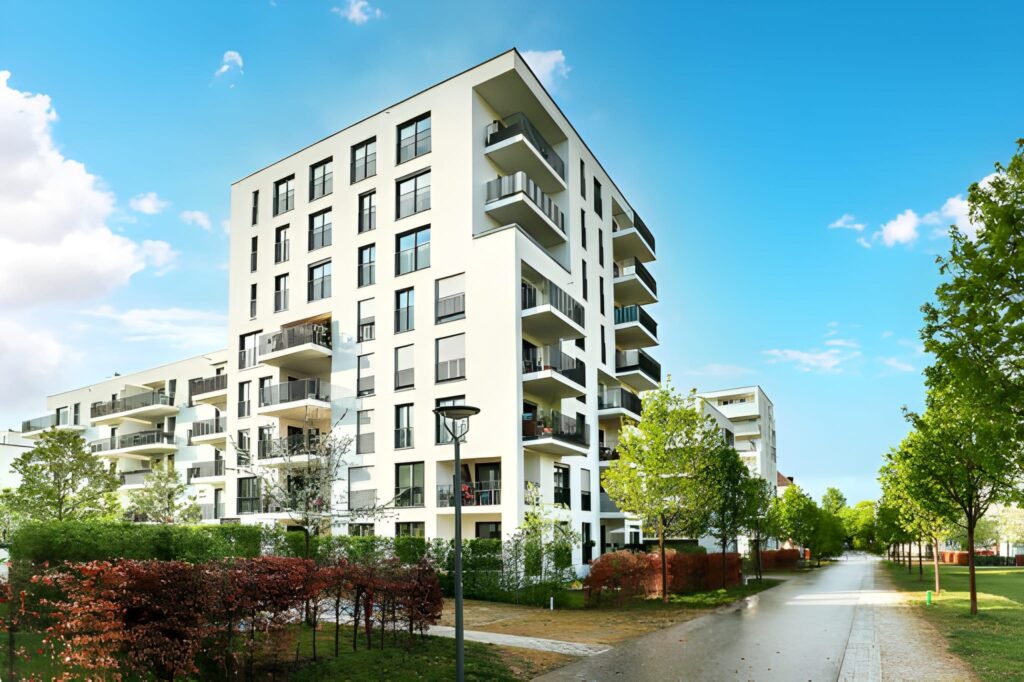
The UK property market, often perceived as traditional and slow to change, is in the midst of a quiet technological revolution. The catalyst is not a complex algorithm or a regulatory shift, but a simple, immersive tool: the virtual tour. What began as a niche luxury, often associated with high-end listings, has rapidly evolved into a fundamental component of the marketing and sales process. This shift, accelerated by necessity during the pandemic, has now become embedded in the industry’s fabric, altering the behaviours of buyers, sellers, and agents alike. The virtual tour is no longer a gimmick; it is a powerful instrument that is streamlining transactions, reshaping marketing strategies, and redefining the very concept of a property viewing.
The Evolution from Static Image to Immersive Experience
For decades, the primary marketing materials for a property were the estate agent’s details: a leaflet with a handful of carefully curated photographs, a floorplan, and a florid description. The limitations were obvious. Photographs could hide flaws and fail to convey spatial relationships. A buyer’s decision to invest hours in a physical viewing was based on incomplete information, leading to inefficiency and disappointment for all parties.
The virtual tour solves this fundamental problem. It provides a comprehensive, 360-degree representation of a property, allowing a potential buyer to navigate the space at their own pace, from any device, at any time. This is not merely an incremental improvement; it is a qualitative leap in the property marketing process.
The Technology Spectrum
Not all virtual tours are created equal. They exist on a spectrum of sophistication and cost:
- Matterport 3D Tours: The industry gold standard. Using a specialised camera or a LiDAR-equipped smartphone, Matterport creates a precise, measurable 3D model of the property. Users can “walk” through using floor plan dots, take measurements between walls, and view high-resolution dollhouse views. This is data-rich and provides the most accurate sense of space.
- 360-Degree Photography: A more accessible option. A photographer uses a tripod and a 360-degree camera to capture each room. These images are stitched together into a tour that allows users to look around each point but not “walk” seamlessly between them. It is highly effective for giving a sense of a property’s layout and feel.
- Live Video Viewings: While not a pre-recorded tour, live video calls facilitated by an agent have become a hybrid tool. They offer real-time interaction, allowing a remote buyer to direct the agent and ask questions, providing a guided, personal experience.
The Tangible Impact: A Data-Driven Advantage
The adoption of virtual tours is not driven by trendiness but by a clear, demonstrable return on investment for agents and vendors. The data reveals a compelling story.
1. The Qualification Funnel: Eliminating Time-Wasters
The most significant impact is on the qualification process. A physical viewing requires coordinating schedules, travelling to the property, and spending 20-30 minutes on site. For agents, this is a major resource drain. For buyers, it is a time-consuming commitment.
Virtual tours act as a powerful filter. A buyer who spends five minutes exploring a virtual tour has already engaged with the property at a deeper level than is possible with photographs. They understand the flow of the rooms, the size of the garden, and the property’s condition. This means that by the time they request a physical viewing, their interest is highly qualified.
The Efficiency Calculation:
Assume an estate agent conducts 10 physical viewings per week, each taking 1.5 hours of total time (travel, preparation, the viewing itself). That is 15 agent-hours per week.
If a virtual tour filters out 40% of unqualified buyers, the number of physical viewings drops to 6 per week, requiring 9 agent-hours.
\text{Time Saved} = 15\ \text{hours} - 9\ \text{hours} = 6\ \text{hours}This saving of 6 hours per week can be reallocated to securing new instructions or providing better service to committed clients, increasing overall agency efficiency and profitability.
2. Accelerating Sales and Achieving Premiums
Properties with virtual tours not only sell faster but often closer to their asking price. The immersive experience builds buyer confidence. Having already “visited” the property multiple times online, a buyer walks into the physical viewing with a high degree of certainty. They are often there to validate what they have seen online, not to discover it. This reduces hesitation and can lead to faster offers.
Data from Rightmove and Zoopla consistently shows that listings with virtual tours receive more clicks, longer engagement times, and a higher proportion of serious enquiries. This increased digital footfall translates into tangible results.
3. Expanding the Geographic Market
Virtual tours have demolished geographic barriers. A buyer based in London can conduct a thorough initial review of a property in Edinburgh or Cornwall without booking a flight. This has been a game-changer for:
- Relocations: Families moving for work can shortlist properties effectively before a dedicated house-hunting trip.
- Investment Purchases: Buy-to-let investors can assess potential properties across the country without leaving their office.
- The Second Home Market: The ability to explore a holiday home in detail remotely has unlocked this market for a wider audience.
This expanded reach increases the potential buyer pool for every property, particularly those in rural or less accessible locations.
The Buyer and Seller Experience Transformed
For the Buyer: Empowerment and Efficiency
The modern buyer is empowered. They can now conduct dozens of “viewings” in a single evening, narrowing their search to a handful of properties that truly meet their needs. This saves money, time, and emotional energy. The decision-making process is improved because it is based on comprehensive information. Furthermore, virtual tours serve as a valuable reference tool, allowing buyers to revisit the property to check details, measure for furniture, or show family members long after the physical viewing has ended.
For the Seller: Minimising Disruption and Maximising Appeal
For a vendor, having a property on the market traditionally means keeping it in a state of perpetual show-home readiness for a unpredictable stream of viewings. This is intensely disruptive to family life. Virtual tours drastically reduce the number of physical viewings needed to secure an offer. The people walking through the door are genuinely interested and well-informed, making the process less intrusive. Furthermore, a high-quality virtual tour is a strong marketing asset that signals a professional, forward-thinking vendor and agent, which can enhance the perceived value of the property itself.
The Limitations and the Human Element
For all its benefits, the virtual tour is not a perfect replacement for the physical experience. It cannot convey the feel of a property—the way light falls in a room in the late afternoon, the quality of silence, the smell of the air, or the nuances of the neighbourhood atmosphere. It cannot reveal subtle damp patches, creaky floorboards, or the true quality of finishes in the way a physical inspection can.
This is why the virtual tour is best understood as a qualification tool, not a replacement tool. It filters and informs, but the final decision to purchase, which is often an emotional one as much as a financial one, will almost always require a physical visit. The role of the estate agent has therefore evolved; rather than just opening doors, they now must be skilled interpreters of the digital experience, guiding serious buyers from the screen to the site.
The Future: Integration and Innovation
The virtual tour is not the end point but the beginning of a wider technological integration in real estate. We are already seeing the emergence of:
- Augmented Reality (AR) Tours: Using a smartphone, buyers could point their camera at a floorplan and see a 3D model of the property and its furnishings superimposed into their own space.
- Virtual Staging: Empty properties can be digitally furnished with a variety of styles, helping buyers visualise the potential of a space without the cost of physical staging.
- Direct Integration with Mortgage and Legal Services: The rich data from a 3D tour could be linked directly to mortgage calculators, solicitor portals, and surveyor reports, creating a seamless digital transaction pipeline.
A Comparative Analysis: Traditional vs. Virtual-First Marketing
| Aspect | Traditional Marketing (Photos) | Virtual Tour Marketing | Impact |
|---|---|---|---|
| Buyer Qualification | Low. Based on limited, curated 2D images. | High. Based on immersive, self-guided 3D exploration. | Reduces physical viewings by 30-50%. |
| Time on Market | Can be longer due to slower buyer discovery. | Often shorter due to higher buyer confidence. | Accelerates sales process. |
| Geographic Reach | Limited to local buyers or highly motivated relocators. | Global. Attracts national and international interest. | Expands potential buyer pool significantly. |
| Cost | Lower upfront cost (photography only). | Higher upfront cost (specialist tour creation). | Higher ROI due to efficiency gains and faster sale. |
| Information Transparency | Low. Easy to hide flaws or misrepresent space. | High. Provides a comprehensive, unforgiving view. | Builds trust and reduces fall-throughs. |
Conclusion: A New Standard in Property Marketing
The virtual tour has transitioned from a novel accessory to a core component of the UK real estate landscape. It represents a fundamental shift towards efficiency, transparency, and buyer empowerment. For agents, it is a tool that optimises resources and improves service delivery. For sellers, it minimises disruption and maximises market exposure. For buyers, it provides unparalleled access and information, making the search process more rational and less stressful.
The technology has not diminished the importance of the physical viewing; rather, it has elevated it. By filtering out mismatches, the virtual tour ensures that the physical viewing is a more meaningful, decisive, and positive event for all involved. In doing so, it has not just changed how we view properties; it has refined and improved the entire process of buying and selling a home in the UK. The estate agent’s details leaflet is not yet extinct, but its role has been decisively usurped by a more powerful, immersive, and truthful medium.


