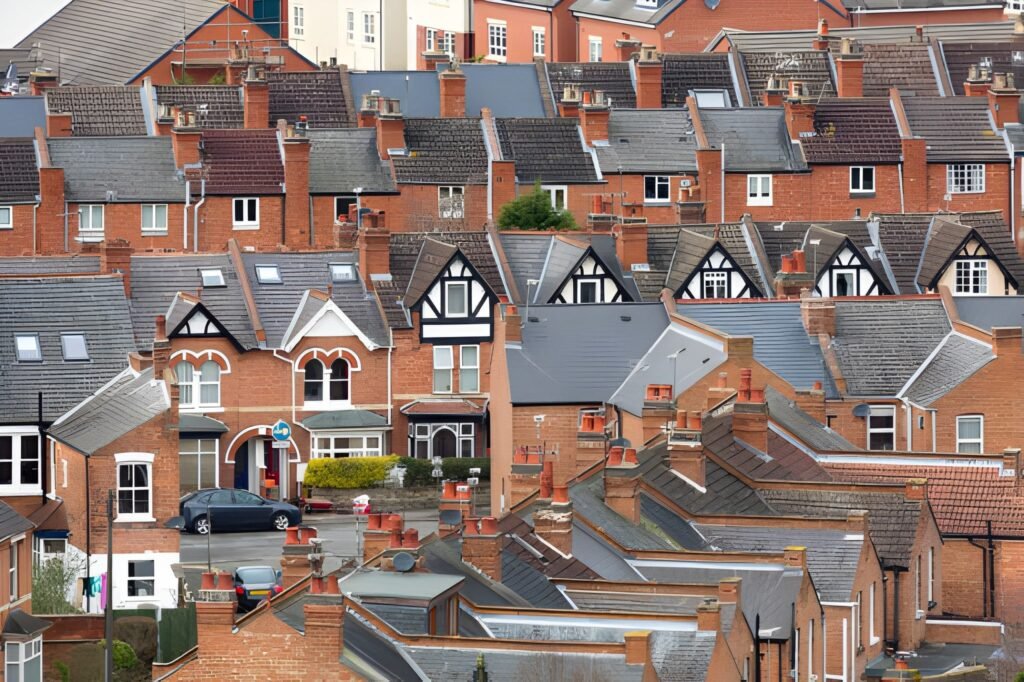
Purchasing a second property in Ireland, whether as a holiday home, a buy-to-let investment, or for personal use, triggers a distinct and less favourable tax regime. The Irish system imposes significant upfront costs and ongoing annual liabilities that differ markedly from those for a sole or main residence. Understanding this structure is crucial for any prospective buyer, as the financial implications are substantial and layered.
The Upfront Cost: Stamp Duty
The most immediate financial hurdle is Stamp Duty. The rate for residential property in Ireland is significantly higher than in many other jurisdictions, and this standard rate applies directly to the purchase of a second property.
- Standard Rate: The current Stamp Duty rate for residential property is 1% on the first €1,000,000 of the purchase price, and 2% on any amount exceeding €1,000,000.
- No Specific Surcharge, but No Exemption: Unlike the UK, Ireland does not have an explicit “second home surcharge.” However, the key point is that you cannot avail of any first-time buyer relief or exemptions, meaning you pay the full standard rate from the first euro.
Illustrative Calculation:
For a second property purchased for €400,000, the Stamp Duty is a straightforward calculation:
text{Stamp Duty} = text{€400,000} times 0.01 = text{€4,000}For a property purchased for €1,500,000, the calculation is:
text{Stamp Duty} = (text{€1,000,000} times 0.01) + (text{€500,000} times 0.02) = text{€10,000} + text{€10,000} = text{€20,000}The Annual Liabilities: Local Property Tax and Potential Rental Income Tax
After the purchase, the owner faces two primary ongoing tax obligations.
1. Local Property Tax (LPT)
The LPT is an annual self-assessed tax charged on all residential properties in Ireland, with no automatic exemption for second homes.
- How it Works: You determine the market value of your property as of 1 November 2021, which places it into a valuation band. Each band has a specific LPT charge.
- Charge for Second Properties: Crucially, if a property is not your sole or main residence, you are not entitled to a waiver or a reduction. You must pay the full LPT rate. Furthermore, for properties in a “Rent Pressure Zone,” a potential 100% LPT surcharge can apply if the property is vacant without a valid reason, though this is a separate measure from general second-home ownership.
2. Income Tax (If Rented Out)
If you choose to rent out your second property, the rental income is subject to Income Tax, Universal Social Charge (USC), and Pay Related Social Insurance (PRSI).
- Taxable Income: Your taxable profit is the gross rental income minus allowable expenses. These expenses can include mortgage interest (see below), repairs, insurance, property management fees, and Local Property Tax.
- Mortgage Interest Relief: You can deduct mortgage interest paid on the loan used to purchase the property from your rental income. The relief is gradually being restored to 100% and is now fully available for the 2024 tax year and beyond.
- Tax Rates: The net rental profit is added to your other income (e.g., salary) and taxed at your marginal rate of tax (20% or 40%).
Illustrative Calculation (Rental):
Assume gross annual rent of €20,000, with allowable expenses (including mortgage interest) of €8,000.
text{Taxable Profit} = text{€20,000} - text{€8,000} = text{€12,000}If you are a higher-rate taxpayer (40%), the Income Tax due on this profit would be text{€12,000} times 0.40 = text{€4,800}. USC and PRSI would also be payable on this profit.
The Future Tax: Capital Gains Tax
When you dispose of the second property by selling it, you will be liable for Capital Gains Tax (CGT) on any profit made.
- The Charge: CGT is charged at a flat rate of 33%.
- Calculating the Gain: The taxable gain is the sale price minus the original purchase price, and associated costs (like legal fees, Stamp Duty paid, and improvement costs).
- Annual Exemption: A small personal exemption of €1,270 per year is available to offset gains.
Illustrative CGT Calculation:
Assume you buy for €300,000 and sell later for €450,000. Your purchase costs (legal, stamp duty) were €5,000 and you spent €25,000 on a qualifying extension.
Total cost: €300,000 + €5,000 + €25,000 = €330,000
Taxable Gain: €450,000 – €330,000 = €120,000
After the €1,270 exemption: €118,730
CGT at 33%: text{€118,730} times 0.33 = text{€39,181}
Summary of Liabilities
| Tax Type | Liability for a Second Property | Key Note |
|---|---|---|
| Stamp Duty | 1% on first €1m, 2% thereafter | Payable on purchase; no first-time buyer relief available. |
| Local Property Tax (LPT) | Full annual rate | Must be paid in full; no waiver for non-principal private residences. |
| Income Tax | Up to 52% (incl. USC/PRSI) on rental profit | Applies if the property is rented; mortgage interest is deductible. |
| Capital Gains Tax (CGT) | 33% on the profit | Payable on sale; only a €1,270 annual exemption is available. |
In conclusion, owning a second property in Ireland is a significant financial commitment with a clear and heavy tax burden. The system imposes a substantial upfront Stamp Duty cost, followed by annual LPT payments, and a high 33% exit charge on any profit. For those renting the property, the rental income is taxed at the marginal rate. While there is no specific punitive “second home surcharge” like the UK’s SDLT supplement, the inability to claim any reliefs available to owner-occupiers makes the overall tax position markedly less favourable. Professional tax and legal advice is strongly recommended before proceeding with a purchase.