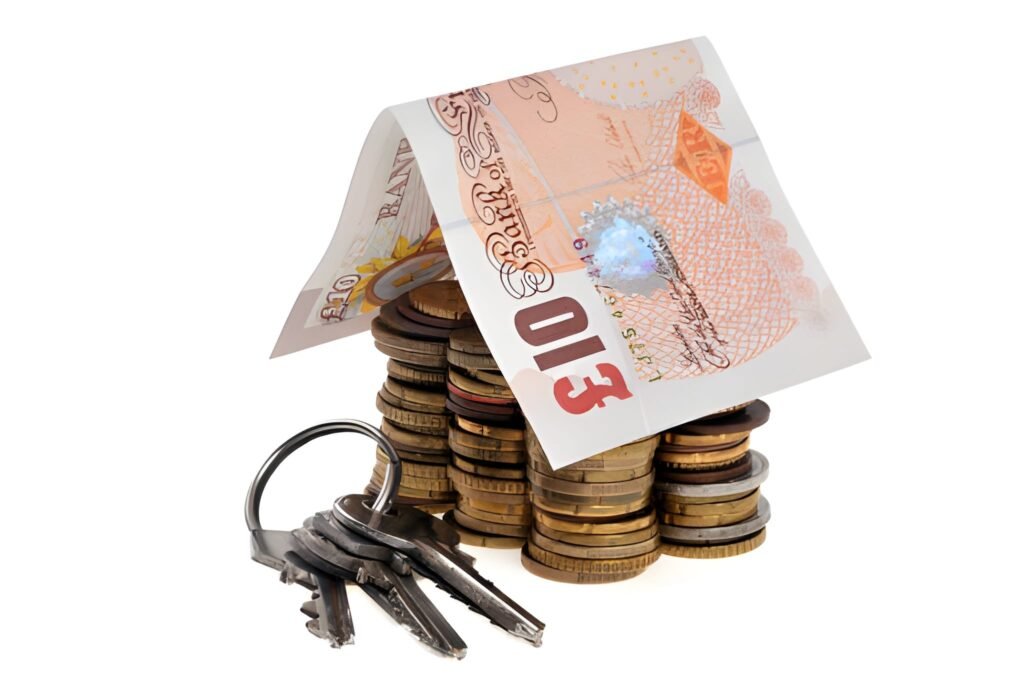
The landscape of work and family life continues to shift. Many parents now seek flexible ways to supplement their household income, often turning to their own assets and skills to generate extra cash. The UK tax system includes a little-known provision that can make these efforts more rewarding: the Property Allowance. This allowance permits individuals to earn up to £1,000 each tax year from property income, completely free of tax. For families navigating the costs of childcare, education, and daily living, understanding this allowance is not just a matter of financial planning—it is a tool for creating greater economic resilience. This guide will explore the allowance from every angle, providing a clear roadmap for parents who want to leverage their resources without adding complexity to their tax affairs.
What Exactly is the £1,000 Property Allowance?
The Property Allowance is a tax exemption introduced in 2017. It allows an individual to earn up to £1,000 per tax year (6th April to 5th April) from property income without any obligation to declare it to HM Revenue & Customs (HMRC) or pay tax on it. The fundamental principle is simplicity. It recognizes that many people engage in small-scale, occasional property-related ventures and aims to remove the administrative burden from these activities.
The term “property income” has a broader definition here than many assume. It is not limited to traditional buy-to-let rentals. The allowance covers a spectrum of activities where the use of a property, or part of it, generates income. This includes renting out a driveway for parking, using a spare room for short-term stays, or even hiring out garden equipment. The key is that the income source is tied to the property itself.
The Allowance in a Family Context: More Than Just Rent
For families, the Property Allowance unlocks a range of possibilities. The family home is often the most significant asset a family owns, and it frequently contains underutilized space or assets. This allowance empowers parents to monetize these assets in a tax-efficient manner.
Consider a family living in a suburban home with a long driveway near a train station. Renting a parking space to a commuter could generate £50 to £100 per month. Over a year, this income could cover a month’s grocery bill or a season of extracurricular activities for a child, all without touching the main household income.
A spare room that serves as a rarely used guest room could be listed on a short-term rental platform for a few weeks a year, perhaps during a local festival or sporting event. The income could fund a family holiday or be directed into a child’s savings account. Even renting out a garden shed for storage or a patch of the garden to an allotment enthusiast falls under this allowance, provided the total income stays within the £1,000 threshold.
Qualifying Income: What Counts and What Doesn’t
A clear understanding of what constitutes qualifying income is crucial. The following table illustrates common scenarios for families.
| Qualifying Income (Eligible for the Allowance) | Non-Qualifying Income (Not Eligible) |
|---|---|
| Rent from a lodger (under the Rent a Room Scheme threshold—more on this later) | Income from services you provide, like babysitting, tutoring, or dog walking. |
| Fees for renting a driveway, parking space, or garage. | Income from a main trade or business run from your home (e.g., a full-time freelance operation). |
| Income from short-term lets of a room or entire property (e.g., Airbnb). | Income from renting out property you own but do not live in (a second home). |
| Hire fees for garden equipment, power tools, or other domestic assets. | Income from employing your child in a family business. |
The Property Allowance vs. The Rent a Room Scheme
A critical point of confusion for many homeowners is the interaction between the Property Allowance and the separate, but similar, Rent a Room Scheme. Both offer tax-free income but operate under different rules. Choosing the right one can significantly impact your tax-free earnings.
The Rent a Room Scheme provides a larger tax-free allowance—£7,500 per year (£3,750 if let jointly). However, it has a strict condition: the income must come from a lodger who is renting furnished accommodation in your main home. The lodger typically has access to shared living spaces like the kitchen and living room.
The Property Allowance, with its lower £1,000 limit, is more flexible. It covers not just lodgers but also the wider range of activities mentioned earlier, like parking or equipment hire.
The decision is straightforward: if you are only taking in a lodger and the income is likely to exceed £1,000, you should elect for the Rent a Room Scheme. If your income is below £1,000 or comes from a source other than a lodger, the Property Allowance is your default option. You cannot use both allowances for the same income stream.
The table below provides a clear comparison.
| Feature | Property Allowance | Rent a Room Scheme |
|---|---|---|
| Tax-Free Allowance | £1,000 per person per tax year. | £7,500 per year (£3,750 if let jointly). |
| Type of Income | Broad: lodgers, parking, storage, equipment hire, short-term lets. | Narrow: Only furnished accommodation in your main home. |
| Lodger Status | Any arrangement, including those without shared living spaces. | Typically a lodger sharing living spaces with the family. |
| Best For | Diverse, small-scale property income or lodger income under £1,000. | Solely taking in a lodger with anticipated income over £1,000. |
Calculating Your Income and When to Declare It
The application of the allowance is simple. If your total gross income from all eligible property sources in a tax year is £1,000 or less, you do nothing. You keep the entire amount tax-free and have no reporting obligations to HMRC.
The situation becomes more nuanced if your gross income exceeds £1,000. You then have two options:
- Deduct the £1,000 Allowance: You can deduct the allowance from your gross income and pay tax on the profit (the remaining amount). For example, if you earn £1,800 from renting a parking space, you can deduct the £1,000 allowance and only pay tax on the £800 profit.
- Deduct Actual Expenses: Alternatively, you can forgo the Property Allowance and deduct your actual, allowable expenses from your gross income. This is the better option if your expenses are high. For instance, if you earned £1,800 but had £1,100 in expenses (e.g., platform fees, insurance, maintenance), your profit would be £700. You would pay tax on £700, which is less than the £800 profit under the allowance method.
You must choose the method that results in the lower tax bill. You declare this income and your chosen method through a Self Assessment tax return.
Socioeconomic Considerations for US Audiences and Modern Families
While the £1,000 Property Allowance is a feature of the UK tax system, the concept holds valuable lessons for a US audience and reflects global economic trends. In the United States, the “gig economy” and “side hustles” are deeply embedded in family finance. Although there is no direct equivalent federal tax allowance, the principle of leveraging underused assets is universal.
For American families, monetizing a spare room through Airbnb, a driveway through a service like Neighbor, or tools through Fat Llama creates taxable income. The key takeaway for all families, regardless of location, is the importance of understanding small business income thresholds. In the US, this might involve tracking income to see if it meets the threshold for filing a Schedule C (Profit or Loss from Business) or understanding state-specific rules.
The drive behind using allowances like this is often rooted in broader socioeconomic factors. Stagnant wage growth, rising inflation, and the high cost of childcare push parents to find creative income solutions. This allowance supports economic participation from caregivers who may not be able to commit to traditional part-time work due to irregular schedules. It empowers stay-at-home parents, those with disabilities, and individuals in rural areas to contribute to their household finances on their own terms.
Practical Steps for Getting Started
For a family considering using this allowance, a methodical approach ensures success and compliance.
First, identify your asset. Walk around your home and garden. Do you have an empty garage? A driveway that sits vacant all day? A camera or power tools that gather dust? These are potential income sources.
Second, research the market. Look at local online listings to see what people charge for parking spaces or storage in your area. Check short-term rental platforms to gauge demand and pricing for rooms in your neighborhood.
Third, consider the costs and implications. Will renting a parking space require additional insurance? Does your mortgage agreement or lease have any clauses about commercial activities? If taking in a lodger, have you considered the impact on family privacy and dynamics? These non-financial factors are as important as the potential income.
Fourth, keep meticulous records. Open a separate bank account for this income stream, or at the very least, maintain a simple spreadsheet. Record every payment received and any expense incurred. This practice is essential if your income exceeds £1,000 and you need to file a tax return.
Conclusion
The £1,000 Property Allowance is a powerful yet underutilized tool for family financial planning. It acknowledges the modern reality of fragmented income streams and provides a simple, legal framework for families to benefit from their own assets. By turning underused space into a source of tax-free revenue, parents can alleviate financial pressure, fund enriching experiences for their children, and build a stronger sense of economic security. The allowance is not about becoming a professional landlord; it is about smart, efficient use of what you already have. In an era of economic uncertainty, such small-scale empowerment can make a significant difference to a family’s wellbeing and resilience.