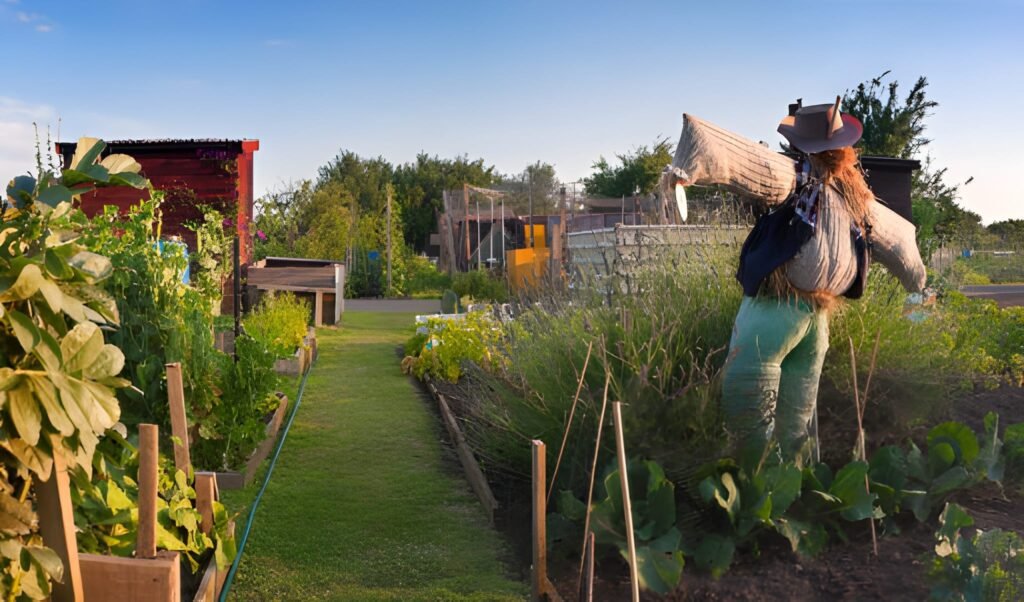
The desire to cultivate your own food, to connect with the soil, and to find a quiet refuge in nature has seen a profound resurgence in the UK. The humble allotment, a feature of British life for over a century, is at the heart of this revival. Yet, for many, the process of acquiring one is shrouded in mystery, often characterised by long waiting lists and complex local rules. Renting an allotment is not a commercial transaction like leasing a property; it is a civic arrangement, a commitment to a plot of land and often to a community. This guide demystifies the process, exploring the practicalities, the costs, the unspoken rules, and the profound rewards of securing your own piece of ground.
The Allotment Act: The Legal Bedrock of a National Tradition
The provision of allotments in the UK is not merely a leisure activity; it is a statutory obligation for local authorities. The foundational law is the Small Holdings and Allotments Act 1908, which requires local councils to provide a sufficient number of allotments if they are persuaded that there is a demand for them in their area.
This duty is the tenant’s greatest leverage. If a council’s waiting list becomes excessively long, residents can petition them to fulfil their statutory duty and provide more land. However, the definition of “sufficient” is often a point of contention, especially in urban areas where land is at a premium and pressure for housing is intense.
Most tenants do not rent directly from the council but from an Allotment Association or society. These are typically voluntary groups of plot holders who manage the site on behalf of the council under a lease agreement. This self-management model is crucial to the culture of British allotments, fostering a sense of shared responsibility and community governance.
The Application Process: Navigating the Waiting List
The most famous, and often most daunting, aspect of getting an allotment is the waiting list. In some desirable areas, lists can be years long. However, this is not universally true.
1. Finding Your Local Sites:
Your first port of call should be your local council’s website. They will have a list of all the allotment sites they are responsible for, along with contact details for the site secretary or the relevant council officer. Websites like the National Allotment Society also offer resources and directories.
2. Getting on the List:
You must apply to get on the official waiting list for your preferred site(s). You can often apply for multiple sites to increase your chances. The list is usually managed on a first-come, first-served basis, though some councils may give priority to local residents, the elderly, or those with specific needs.
3. The Offer:
When a plot becomes available, the site secretary will contact you. It is vital to view the plot before you accept it. Plots vary enormously. You might be offered a well-maintained, half-size plot from a tenant who is moving, or a “full plot” that has been neglected and is completely overgrown.
Taking on an overgrown plot is a significant undertaking, often requiring months of hard work to clear brambles, weeds, and debris. However, it can be immensely rewarding to bring it back to life, and these plots often become available much faster than managed ones.
The Tenancy Agreement: Rules of the Plot
An allotment tenancy is governed by a formal agreement. This is not a complex commercial lease but a set of rules and conditions you must agree to. Understanding these before you sign is critical.
Key Standard Clauses:
- Use of the Plot: The plot must be used primarily for the cultivation of fruit and vegetables for you and your household’s consumption. Most agreements allow for the growing of flowers and some keeping of bees, but rules on keeping livestock (e.g., chickens, rabbits) are very strict and often prohibited.
- Non-Trading Clause: You cannot grow produce to sell commercially. Small, ad-hoc sales of surplus to other plot holders may be tolerated, but it cannot become a business.
- Maintenance (The 50% Rule): This is the most important rule. You must cultivate and maintain your plot to a reasonable standard. The agreement will typically state that at least 50% of the plot must be under cultivation within the first year, rising to 75% or more thereafter. Failure to maintain your plot is the most common reason for tenancies being terminated.
- Structures and Trees: There are usually strict rules on what you can build. Sheds, greenhouses, and polytunnels are often permitted but may have size restrictions and require prior approval. Planting fruit trees is usually allowed, but large standard trees are often forbidden as their roots and shade affect neighbouring plots.
- Water and Bonfires: Sites usually have water troughs fed by a mains supply. Using hoses may be banned, especially during drought conditions. Bonfires are a contentious issue. Most agreements restrict them to certain times of the year and days of the week, and they must be conducted safely and considerately, never burning toxic materials.
The Financial Commitment: More Than Just Rent
The cost of renting an allotment is famously low, representing incredible value for money. However, the rent is just the starting point of your financial outlay.
Typical Annual Costs (Example for a Full Plot – 250 sq m / 10 rods):
| Cost Item | Typical Cost (p.a.) | Notes |
|---|---|---|
| Annual Rent | £25 – £100 | Varies hugely by council and region. |
| Water Charge | £10 – £30 | A separate fee for water usage. |
| Association Fee | £5 – £20 | If there is a separate membership fee. |
| **Total Annual Fee ** | £40 – £150 | |
| Setup & Tools | £200 – £500+ | One-off cost for tools, shed, compost bins. |
| Seeds & Plants | £50 – £150 p.a. | Ongoing annual cost. |
The equation for value is simple. The financial return on a well-managed plot, in terms of organic fruit and vegetables, far exceeds the annual rent. A single successful crop of potatoes or pumpkins can be worth more than the yearly fee. However, the initial setup cost for tools, a shed, and soil amendments can be significant.
The Unwritten Code: Allotment Etiquette
Beyond the written rules exists a strong culture of etiquette. Adhering to this is key to being accepted into the community.
- Paths and Boundaries: Keep the paths around your plot clear and weed-free. Do not allow your plants to encroach on your neighbour’s plot or the common paths.
- Weed Control: Certain perennial weeds like bindweed, couch grass, and ground elder are the enemy of every plot holder. Failing to control them on your plot allows them to spread to others, which is a major source of conflict.
- Respect and Sharing: Allotments are communities. Offer help if you see a neighbour struggling. Share surplus seeds, seedlings, and produce. A friendly chat over the compost heap is as much a part of the experience as the gardening.
- Security: Keep your shed locked and be the “eyes and ears” of the site. Report any suspicious activity to the site secretary. Look out for your neighbours’ plots as they will look out for yours.
The Rewards: Beyond the Harvest
While the tangible yield is a major draw, the benefits of an allotment tenancy run far deeper.
- Mental and Physical Health: The combination of physical exercise, fresh air, and connection to nature is a powerful antidote to modern stress and sedentary lifestyles.
- Education and Skill Development: Allotment gardening teaches patience, resilience, and a deep understanding of natural cycles. Knowledge is generously passed down from experienced growers to newcomers.
- Food Security and Quality: You have complete control over what goes into your food. You can grow unique, heritage varieties that are unavailable in supermarkets, picked and eaten at the peak of freshness.
- Community: An allotment site is a rare and valuable social space, bringing together people of all ages, backgrounds, and professions through a shared passion.
Conclusion: A Commitment to Cultivation
Renting an allotment is a commitment—to a piece of land, to a set of rules, and to a community. It requires patience to get one and diligence to keep it. The process is not designed for instant gratification. It is a slow, purposeful engagement with the land and the seasons.
For those willing to join the waiting list, to put in the hard work of clearing and cultivating, and to become part of a tradition, the rewards are immense. It offers not just a source of food, but a sanctuary, a purpose, and a connection to a legacy of self-sufficiency that remains vitally relevant in the 21st century. Your patch of earth awaits.