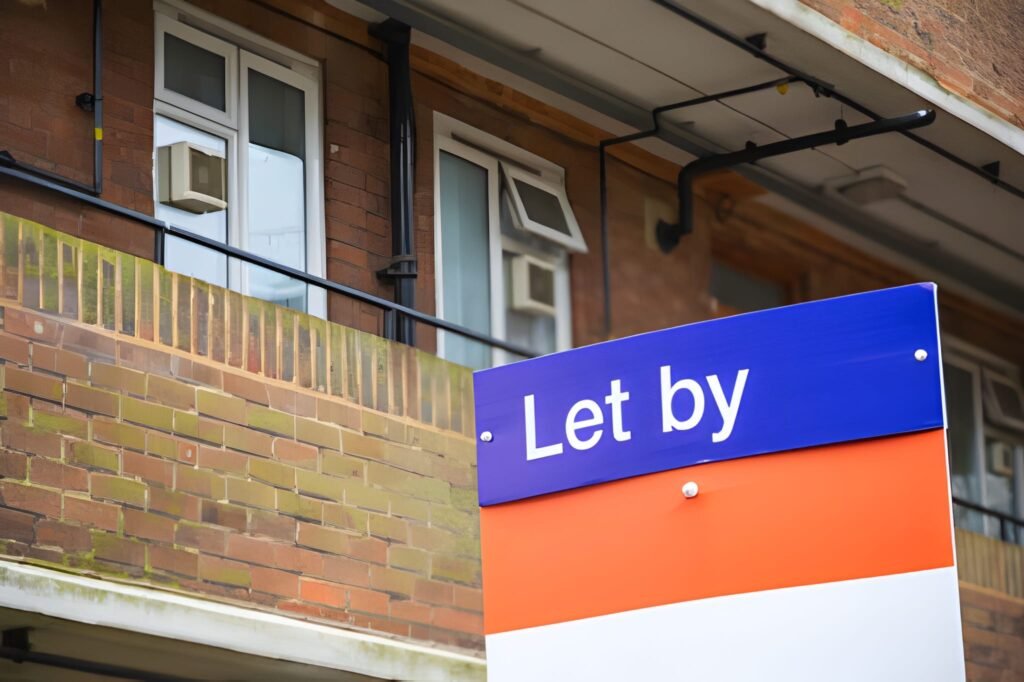
Attempting to negotiate rent in a fiercely competitive rental market can feel like a fool’s errand. With property viewings attended by dozens of prospective tenants and offers regularly exceeding the asking price, the balance of power seems to sit entirely with the landlord. However, this perception is not entirely accurate. Negotiation is always possible; its form simply changes with the market conditions. In a landlord’s market, negotiation is less about haggling over the monthly sum and more about crafting an irresistible, low-risk offer that provides the landlord with something more valuable than a marginal increase in income: certainty, security, and a hassle-free tenancy. This guide moves beyond basic advice to provide a strategic framework for securing a rental property on the best possible terms.
Deconstructing the Landlord’s Mindset
The foundation of any successful negotiation is understanding the motivations of the other party. The stereotypical image of a landlord solely focused on maximising monthly income is often outdated. Most private landlords in the UK are individuals, not large institutions, and their priorities are frequently more nuanced.
The Primary Motivators:
- Certainty and Security: A void period—a month where the property is empty—is financially damaging. Lost rent is rarely recovered. A landlord’s primary fear is a tenant who defaults on rent, causes significant damage, or breaks the lease early, forcing a costly and time-consuming re-letting process.
- Low Maintenance and Hassle: Landlords dread midnight phone calls about blocked drains or broken boilers. They want a tenant who will treat the property with respect, report issues clearly and promptly, and not create unnecessary work.
- Long-Term Stability: The ideal scenario for many landlords is a long-term tenant. The cost of tenant turnover—including agent fees, advertising, cleaning, and refurbishment—can easily run into thousands of pounds. A stable, long-term tenancy avoids these costs and provides consistent, predictable income.
- Financial Return: While important, the monthly rent is just one part of the financial equation. A guaranteed, secure income stream at a slightly lower rate can be more profitable over the long term than a higher, riskier income stream from a tenant who is a poor fit.
Your negotiation strategy must be designed to appeal to these core motivations, positioning you not as a cost to be minimised, but as an asset to be secured.
Pre-Application Strategy: Building Your Case
Preparation is everything. You must walk into the negotiation with leverage, and that leverage is your profile as a model tenant.
1. Assemble the Perfect Tenant Pack
Go far beyond the standard referencing forms. Create a concise digital portfolio that includes:
- Cover Letter: A brief, professional introduction. State who you are, your profession, and why you love the specific property (be genuine—mention a feature you admire).
- References: Not just from your current landlord, but also a professional character reference. Testimonials that speak to your responsibility and reliability are powerful.
- Financial Proof: PDFs of your last three months’ bank statements (with only relevant transactions visible), your latest P60, and three recent payslips. Make it easy for the agent or landlord to verify your strength.
- Right to Rent: Have your passport and visa (if applicable) ready to be scanned.
This pack demonstrates organisation, transparency, and respect for the landlord’s time. It immediately sets you apart from the competition.
2. Get Your Finances Pre-Approved
Speed is a form of currency. If you are using a guarantor, have them pre-approved and their paperwork ready. If you are a professional, some referencing agencies offer a “fast-track” service for those on solid incomes. Inquire about this. Being able to say, “I can pass referencing within 24 hours,” is a significant advantage.
3. Choose Your Properties Strategically
Not all properties are equally negotiable. Target properties that have been on the market for more than two weeks. On Rightmove, you can often see the “date added” stamp. A property that has been available for a while suggests one of two things: the price is too high, or the landlord has been rejecting unsuitable applicants. In both cases, there may be an opening for a serious offer from a qualified tenant.
The Negotiation Toolkit: Tactics Beyond the Monthly Price
In a competitive market, directly asking for a lower rent may result in your application being dismissed. Instead, use these tactics to effectively reduce your overall financial burden or make your offer more attractive without touching the headline rent.
Tactic 1: The Longer Lease Clause
This is your most powerful tool. Propose signing a longer-term tenancy agreement, say 24 or 36 months, at the current asking rent. For the landlord, this eliminates the risk and cost of reletting the property for two or three years. The guaranteed income is often worth far more than an extra £25 or £50 a month from a tenant who might leave in a year.
The Financials of a Long-Term Let
For a landlord, the cost of tenant turnover is substantial. Assume the monthly rent is £1,200.
Cost of a Void Period & Re-letting (1 month):
\text{Lost Rent} = £1,200
\text{Agent Re-letting Fee} (10\% + \text{VAT}) = £1,200 \times 0.12 = £144
By offering a 24-month tenancy instead of a 12-month one, you save the landlord from incurring this cost once. This security has a tangible value of over £1,300 to them, making your offer of £1,200pcm for two years potentially more attractive than another applicant’s offer of £1,250pcm for one year.
Tactic 2: Upfront Payment
Offering to pay a larger sum upfront significantly de-risks the landlord’s decision. You could offer to pay three or even six months’ rent in advance. This is a particularly strong tactic if you have a irregular income, are new to the country, or are a student without a standard employment history. It provides cast-iron financial security for the landlord.
Tactic 3: Flexibility on Move-In Date
If the current tenants are moving out and the landlord is facing a void period, you can offer to take the property from a date that suits them. If they are moving out on the 15th of the month, offer to start your tenancy on the 16th, eliminating the void entirely. You might be paying rent for a property you don’t immediately move into, but you have effectively “negotiated” by saving the landlord a full month’s lost rent, which is financially equivalent to a discount.
Tactic 4: The “As-Is” Offer
During the viewing, if you notice minor issues—a patch of faded paint, a garden that needs tidying, an old appliance that works but is dated—you can offer to take the property “as-is.” Propose that you will handle these minor cosmetic issues yourself in exchange for a slightly reduced rent or a rent-free period at the start of the tenancy. This saves the landlord time, effort, and cost.
Calculation: Rent-Free Period vs. Monthly Discount
These two options have different financial impacts for the tenant and landlord.
Scenario:
Asking Rent: £1,500 pcm
You want the equivalent of a £50 pcm discount for a 12-month tenancy.
Option A: Straight Discount
\text{New Monthly Rent} = £1,500 - £50 = £1,450
Option B: Rent-Free Period
The total discount desired over a year is £50 \times 12 = £600.
To calculate the equivalent rent-free period: \frac{£600}{£1,500} = 0.4 months.
0.4 \times 30 \approx 12 days rent-free.
You would pay £1,500 pcm, but your first payment would cover the period from day 13 of the tenancy. Your total cash outlay for the year would still be £17,400. Some landlords prefer this as it keeps the contractual rent figure higher for future tenancy renewals.
The Process of Making the Offer
1. Choose the Right Messenger: Communicate your offer through the letting agent. They are legally obligated to present all offers to the landlord. Frame your offer professionally and in writing via email.
2. Lead with Strength, Not Demand: Your email should not start with “We’d like to offer £100 less.” It should start with: “We are very impressed with the property on [Address] and would like to make a strong offer to secure it. We are prepared to sign a 24-month tenancy agreement and can provide excellent references and financial proof immediately. Given our profile and the security of a long-term let, we would like to offer £1,450 pcm rather than the asking £1,500 pcm.”
3. Be Prepared to Move Fast: If your offer is accepted, be ready to sign the holding agreement, pay the deposit, and complete the referencing without delay. Any hesitation can cause the landlord to reconsider.
What to Do When Negotiation on Price is Impossible
If the landlord will not budge on the monthly figure, all is not lost. You can still negotiate on other terms that have value.
- Negotiate a Break Clause: If you are signing a longer lease, negotiate the terms of the break clause. A standard break clause might allow either party to terminate after 12 months with 2 months’ notice. Try to make it tenant-only, giving you flexibility without granting it to the landlord.
- Pets and Flexibility: If you have a pet, offering a slightly higher security deposit (within the legal limits of the Tenant Fees Act 2019) or providing a “pet CV” with references from previous landlords can be a way to secure a property where pets might otherwise be prohibited.
- Specific Clauses: Negotiate the inclusion of specific items in the inventory, such as a particular garden shed or piece of furniture you’d like to stay.
Tactics to Avoid
- Insulting Lowballs: An offer more than 5-10% below the asking price in a competitive market will likely be dismissed out of hand and may see you excluded from future consideration by that agent.
- Being Vague: Do not say “I can move quickly.” Say “I can sign the agreement and transfer the holding deposit today.”
- Complaining: Never negotiate by criticising the property or its price. This creates an adversarial dynamic. Frame your offer around the value you provide.
A Comparative Table of Negotiation Levers
| Negotiation Lever | How it Works | Appeal to Landlord | Best For |
|---|---|---|---|
| Longer Lease Term | Offer 24-36 months at asking price. | Eliminates re-letting costs & provides long-term security. | Professionals, families seeking stability. |
| Rent Paid Upfront | Offer 3-6 months’ rent in advance. | Provides immediate financial security and reduces risk. | Those with irregular income, students, newcomers. |
| Flexible Start Date | Align your tenancy start with the end of the previous one. | Eliminates void periods, guaranteeing their income. | Tenants with flexible moving plans. |
| The “As-Is” Clause | Offer to handle minor cosmetic repairs. | Saves them time, effort, and organisational hassle. | Hands-on tenants, those happy to DIY. |
| Break Clause Terms | Negotiate the terms under which the lease can be ended early. | Provides a compromise for longer leases, making them less daunting. | Tenants who may need future flexibility. |
Conclusion: The New Negotiation
In the modern UK rental market, negotiation is reframed. It is not a battle over pennies but a conversation about value and risk. Your goal is not to win a discount but to secure a home on favourable terms by presenting yourself as the least risky, most secure option available. By understanding the landlord’s priorities, preparing an impeccable application, and using strategic levers like the long-term lease, you transform from just another applicant into the solution to the landlord’s problems. This shift in perspective—from price-focused haggler to security-focused partner—is the most powerful tool a tenant can possess in a competitive landscape.