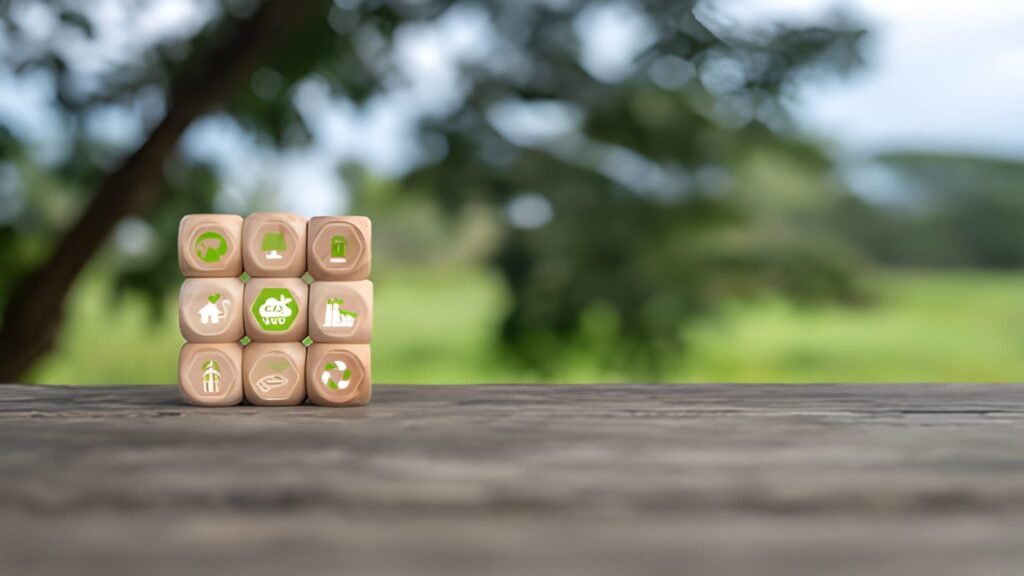
The term “organic sustainable living” often conjures images of vegetable patches and reusable shopping bags, but this is a reductionist view of a profound and holistic philosophy. It is a conscious, integrated approach to existence that seeks to align our daily habits with the enduring cycles of the natural world. The number “101” signifies a return to fundamentals—the core principles that underpin a life that is not merely less harmful, but actively regenerative. This is not a checklist of tasks, but a framework for a mindset that redefines our relationship with consumption, waste, community, and the environment itself. It is about creating a system where our actions contribute to the health of the ecosystem, rather than depleting it.
The Foundational Ethos: Beyond the Supermarket Aisle
True organic living begins with a shift in perspective that transcends the certified organic label on a product. It is an understanding that “organic” is a principle that applies to systems, not just individual items. An organic garden, for instance, is not simply one that avoids pesticides; it is a mimetic ecosystem that builds soil health, encourages biodiversity, and manages water intelligently. It views pests not as enemies to be eradicated, but as indicators of an imbalance to be corrected. This same systems-thinking applies to our homes, our energy use, and our economies. Sustainability is the goal—meeting our own needs without compromising the ability of future generations to meet theirs. Organic principles are the methodology—working with nature’s wisdom to achieve that goal.
The Pillars of Practice: Integrating Principles into Daily Life
The application of this philosophy manifests across several interconnected domains of life. These are not isolated actions but reinforcing strands of a single, cohesive practice.
1. The Circular Kitchen and Food System
The modern linear food system—from factory farm to landfill—is a primary source of environmental degradation. The organic sustainable model creates a circular one.
- Conscious Consumption: Prioritize whole, plant-based foods. Reduce meat and dairy intake, recognising the immense land, water, and energy resources required for their production. When you do consume animal products, seek out sources from regenerative, pasture-based farms.
- Local and Seasonal Procurement: Participate in Community Supported Agriculture (CSA) schemes or frequent farmers’ markets. This eliminates the colossal carbon footprint of long-distance food miles, supports local economies, and reconnects you with the seasonal rhythms of your region.
- The War on Waste: Embrace a “root-to-stem” and “nose-to-tail” cooking approach, maximising the use of every ingredient. Implement a rigorous home composting system for all organic waste, transforming kitchen scraps into fertile soil for your garden, thus completing the nutrient cycle. A household that composts its waste and grows even a small portion of its food has fundamentally altered its relationship with the Earth’s metabolic processes.
2. The Regenerative Home Ecosystem
Your home should function less like a sealed box and more like a living, breathing organism that interacts positively with its environment.
- Energy Metabolism: Conduct a home energy audit. The most sustainable energy is the energy you never use. Invest in high-quality insulation, seal drafts, and upgrade to energy-efficient appliances. Then, transition to renewable sources. Installing solar panels or signing with a 100% renewable energy supplier are decisive steps toward energy sovereignty.
- Water Hydrology: View water as a precious resource to be harvested and recycled. Install rain barrels to collect greywater for garden irrigation. Fix leaks immediately—a single dripping tap can waste thousands of litres annually. Low-flow showerheads and dual-flush toilets are not just gadgets; they are tools for responsible hydrological stewardship.
- Material Health: Prioritise natural, non-toxic materials for furniture, decor, and cleaning. Solid wood, bamboo, cork, stone, and glass are durable, biodegradable, and free from the off-gassing chemicals found in many synthetic composites. Create your own cleaning solutions using vinegar, baking soda, and citrus—a practice that is effective, economical, and prevents harmful chemicals from entering the water system.
3. A Conscious Wardrobe and Material World
The fast fashion industry is a symbol of linear, disposable consumption. An organic approach to possessions demands a different paradigm.
- The Mindful Closet: Adopt a minimalist approach to clothing. Care for and repair the garments you own. The most sustainable sweater is the one already in your wardrobe. When you need to acquire something, turn first to second-hand sources. When buying new, invest in quality pieces from transparent brands that use organic cotton, linen, hemp, or recycled materials, and that uphold ethical labour practices.
- The Circular Economy of Goods: Before any purchase, apply the “30-day rule” to curb impulse buys. Ask: “Do I truly need this?” Favour products designed for durability, repairability, and eventual disassembly. Participate in the “sharing economy” through tool libraries and clothing swaps, challenging the notion that ownership is the only path to access.
4. Community and Bioregional Integration
Sustainability cannot be achieved in isolation. It thrives on the foundation of a resilient, interconnected community.
- Cultivating Local Ties: Know your neighbours. Share skills, tools, and surplus garden produce. Participate in local environmental clean-ups or conservation projects. Strong social networks provide a safety net that reduces reliance on long, fragile supply chains.
- Bioregional Awareness: Learn about the native plants, wildlife, and ecological challenges of your specific region. Planting a garden with native species supports local pollinators and requires far less water and maintenance than a non-native lawn. Understanding your bioregion fosters a sense of place and a deeper, more personal commitment to its health.
The Deeper Calculation: Measuring True Impact
The conventional metrics of cost often fail to capture the true impact of our choices. A conventionally grown, imported tomato may have a lower monetary price at the checkout, but its real cost is externalised in the form of soil degradation, pesticide runoff, and carbon emissions from transport. An organic, locally grown tomato, while sometimes more expensive upfront, carries a far lower hidden environmental and social cost. The sustainable life involves making choices that internalise these true costs, understanding that value is not solely defined by a price tag but by the total health of the system from which it came.
Ultimately, 101 organic sustainable living is a practice of continuous learning and adaptation. It is an acknowledgement that we are part of a complex, living system, and our greatest responsibility—and our greatest opportunity—is to ensure our presence within it is a net positive. It moves beyond a list of “101 things to do” and becomes a single, integrated thing to be: a conscious, regenerative participant in the world.